

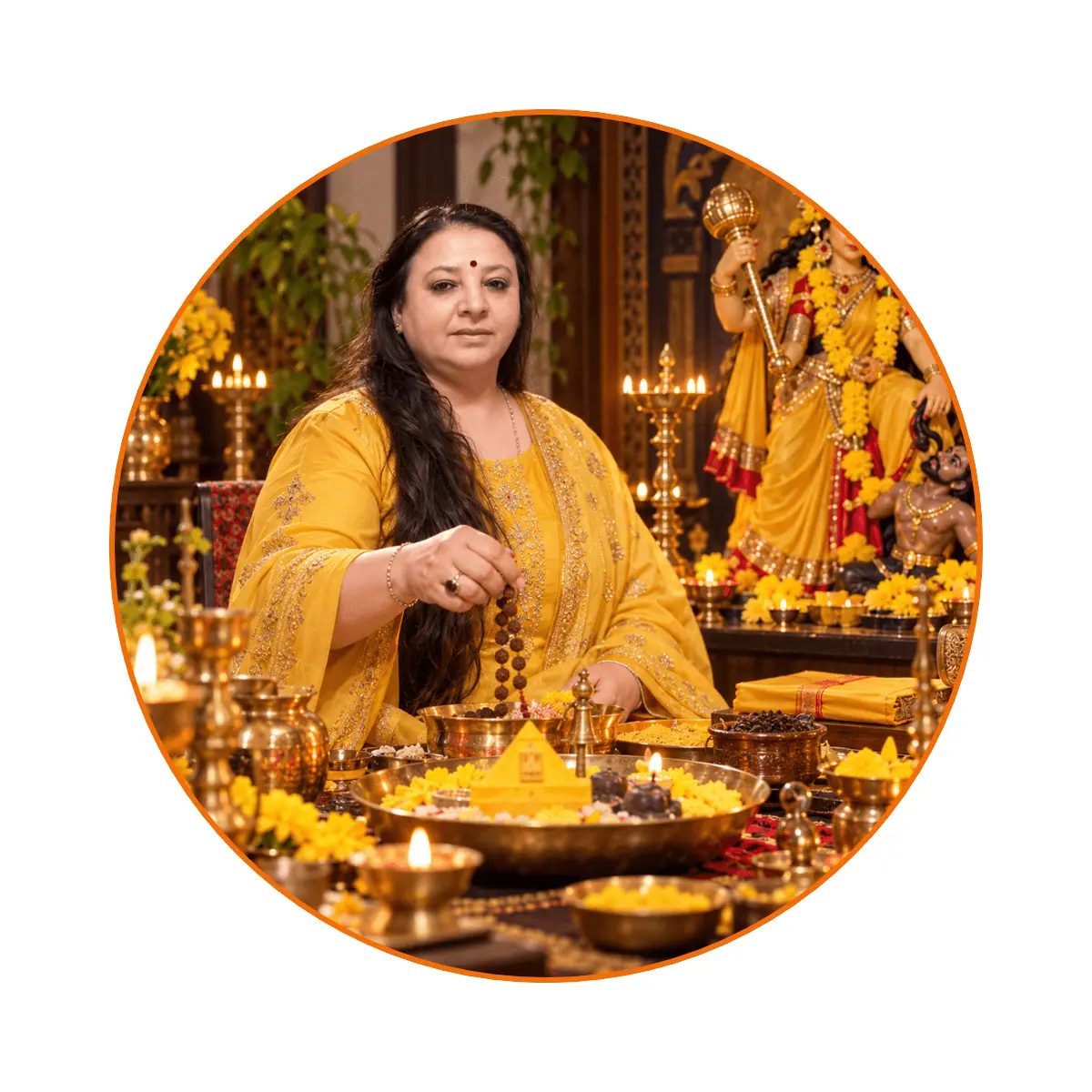
The Bhaglamukhi Sadhana Course is intended for people interested in the devotional traditions associated with Goddess Baglamukhi, one of the ten Mahavidyas in Hindu Shakta traditions. Goddess Baglamukhi is commonly associated with the power to restrain harmful actions, maintain composure, and bring stillness to difficult situations. Her worship has a distinct place in certain Hindu Tantric traditions.
Sadhana refers to a disciplined spiritual practice undertaken with dedication and purpose. Depending on the tradition, it may involve prayer, mantra recitation, meditation, ritual observances, or guidance from an experienced teacher. The Bhaglamukhi Sadhana Course offers an opportunity to explore the beliefs, symbolism, and devotional practices associated with this form of worship.
For people interested in Hindu spiritual traditions, Mahavidya worship, or mantra-based devotional practices, this course may provide a useful subject for study. Its exact focus depends on the teachings and materials included in the course offering.
Understanding Goddess Baglamukhi
Goddess Baglamukhi, whose name is also commonly spelled Bagalamukhi or referred to as Pitambara Devi, is one of the ten Mahavidyas, a group of powerful goddess forms honoured in Shakta traditions. Her imagery often includes the act of stilling or restraining an opposing force, which is interpreted through different religious and philosophical perspectives.
Devotees may associate Baglamukhi with restraint, focused speech, determination, and the ability to remain composed during conflict. Her worship is especially known within certain Tantric traditions, where particular mantras and ritual practices may have specific requirements.
The Bhaglamukhi Sadhana Course may appeal to learners who want to understand the religious context of Baglamukhi worship and the symbolism associated with the goddess. Learning about these traditions can help provide a clearer understanding of why particular prayers, images, and practices hold significance for devotees.
The Meaning of Sadhana
Sadhana generally refers to a regular spiritual discipline followed with a particular purpose. In Hindu traditions, it can involve devotional prayer, mantra recitation, meditation, contemplation, or prescribed forms of worship.
The form of sadhana depends on the deity, spiritual lineage, and tradition being followed. Some devotional practices are open to a broad audience, while certain Tantric practices may require initiation or personal instruction from a qualified teacher.
The Bhaglamukhi Sadhana Course is intended for people interested in exploring this area of spiritual study. The course description should establish whether the offering focuses on religious knowledge, devotional guidance, mantra instruction, or specific ritual methods.
A thoughtful approach to sadhana places importance on understanding the meaning of a practice, following appropriate guidance, and maintaining realistic expectations. Spiritual learning is best approached with patience rather than the expectation of immediate or guaranteed results.
Mantra and Devotional Recitation
Mantra recitation is an important element of many Hindu spiritual traditions. A mantra may consist of a divine name, a traditional phrase, or a sequence of sounds repeated during prayer or meditation. Practitioners may use recitation as an expression of devotion or as a way to focus their attention.
Baglamukhi worship is associated with particular mantras within some Shakta and Tantric traditions. The wording, pronunciation, and method of recitation can depend on the lineage and the purpose of the practice. Certain methods may require specific instructions or initiation.
Through the Bhaglamukhi Sadhana Course, learners may explore the place of mantra in this devotional tradition. The exact mantras and instructions included depend on the course material.
Mantra practice should be approached respectfully and with attention to its religious context. Recitation should not be presented as a guaranteed method for controlling another person, winning a dispute, stopping criticism, or producing a specific outcome.
Restraint, Focus, and Composure
One of the themes associated with Goddess Baglamukhi is the power of restraint. Within devotional interpretations, this may represent the stilling of harmful speech, disruptive actions, or forces that interfere with clear judgement.
These ideas can also provide a starting point for personal reflection. A person may consider how to respond calmly during disagreement, how to pause before speaking, or how to avoid acting impulsively under pressure.
The Bhaglamukhi Sadhana Course may interest people who wish to explore these themes alongside traditional worship. Religious symbolism can provide a framework for reflecting on personal conduct, particularly when connected with practical choices in daily life.
However, spiritual practices cannot guarantee control over other people or external events. Difficult situations are best handled through sound judgement, respectful communication, appropriate boundaries, and practical action.
Exploring the Mahavidya Tradition
The ten Mahavidyas are a group of goddess forms honoured in particular Shakta traditions. Each is associated with distinctive imagery, teachings, and forms of worship. Goddess Baglamukhi is one member of this group and has her own place within its religious and symbolic framework.
Studying the Mahavidya tradition can help learners understand the diversity of Hindu goddess worship. The different forms are not simply interchangeable; each has its own religious significance and may be approached through particular devotional customs.
The Bhaglamukhi Sadhana Course may be relevant to people who want to learn about Baglamukhi within this broader tradition. Understanding the cultural and spiritual context can help learners appreciate the meaning of the goddess’s imagery and the practices associated with her worship.
Where a ritual belongs to a specific lineage or requires initiation, seek instruction from a knowledgeable teacher rather than relying on incomplete information.
Developing a Consistent Spiritual Routine
Many people who follow devotional traditions set aside regular time for prayer, reflection, or religious study. A quiet location and a manageable routine can help make this time part of everyday life.
If you are studying the Bhaglamukhi Sadhana Course, approach the material gradually. Take notes on unfamiliar terms, learn about the background of the practices, and make sure you understand the purpose of each instruction.
Some practitioners prefer simple devotional routines, while others follow more detailed forms of worship. The suitable approach depends on personal beliefs and the requirements of the tradition. More complicated rituals are not necessarily more appropriate for every learner.
If the course provides specific procedures, follow the guidance supplied. Practices that require initiation or supervision should be undertaken only with appropriate instruction.
Who May Be Interested in This Course?
The Bhaglamukhi Sadhana Course may suit people interested in Goddess Baglamukhi, Shakta traditions, the ten Mahavidyas, or mantra-based devotional practices. It may also appeal to learners who wish to understand the cultural and religious background of this form of worship.
Beginners may find it useful to study the goddess’s symbolism and religious context before exploring specific practices. Those with previous experience in devotional traditions may wish to deepen their understanding of Baglamukhi worship.
The course’s suitability depends on the material and teaching approach provided. It should be viewed as an opportunity for spiritual or religious learning rather than a promise of particular personal or external results.
Respectful and Responsible Practice
Goddess Baglamukhi is part of living Hindu religious traditions, and her worship may have particular significance for devotees and spiritual lineages. A respectful approach recognises that methods differ and that some practices have specific requirements.
The Bhaglamukhi Sadhana Course should be approached with realistic expectations. Religious beliefs about protection, restraint, or spiritual progress are matters of faith and cannot guarantee control over events or other people.
Important decisions involving health, safety, legal matters, finances, or relationships should be based on reliable information and appropriate professional advice. Spiritual reflection can accompany practical action but should not replace it.
Begin Your Study of Bhaglamukhi Sadhana
The Bhaglamukhi Sadhana Course offers a subject for people interested in Goddess Baglamukhi and the devotional traditions associated with her worship. Studying the goddess’s symbolism, the meaning of sadhana, and the role of mantra can help learners develop a clearer understanding of this area of Hindu spiritual life.
Approach the subject with patience, respect, and an interest in its religious context. A considered study of Baglamukhi traditions can help you appreciate their significance and decide how they relate to your own spiritual interests.
Course note: The specific lessons, mantras, rituals, and learning materials depend on the course offering. Spiritual practices are matters of faith and tradition and do not guarantee particular personal, legal, financial, or supernatural outcomes.


Reviews
There are no reviews yet.