

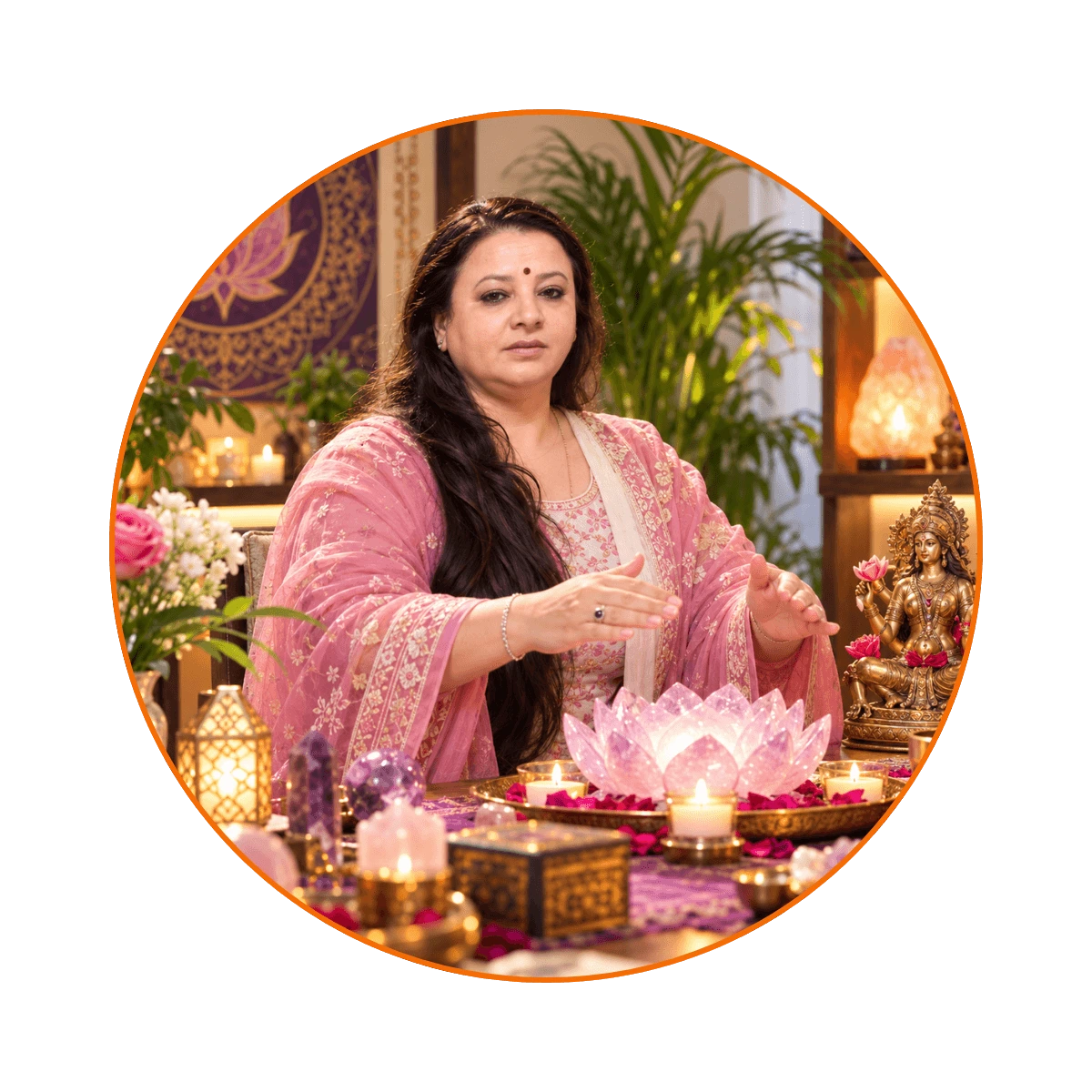
The YogMaya Avtaran Course is intended for people interested in Indian spiritual traditions, Hindu religious teachings, and the concept of YogMaya. The term YogMaya appears in Hindu religious narratives and is associated with divine power, spiritual mystery, and the role of divine will in events described in traditional texts.
The word Avtaran refers to a descent or manifestation. In religious contexts, it can describe the appearance or manifestation of a divine presence. The meaning of YogMaya Avtaran may vary according to the scripture, spiritual lineage, and interpretation followed by a teacher.
The YogMaya Avtaran Course offers an opportunity to explore this subject through the approach provided by the course instructor. It may suit learners who want to understand the background of YogMaya, its place in Hindu beliefs, and the spiritual ideas connected with it. Before enrolling, review the provider’s course details to understand the teaching method and topics covered.
Understanding YogMaya in Hindu Traditions
YogMaya is a concept found in Hindu religious literature and devotional traditions. The term is interpreted in different ways, including as a divine power associated with spiritual mystery, divine arrangements, and the relationship between the visible world and deeper spiritual realities.
In some Vaishnava traditions, YogMaya is connected with the divine activities of Lord Krishna and the events described in stories surrounding his birth and life. Different texts and teachers explain the concept according to their theological understanding.
The YogMaya Avtaran Course may introduce learners to these interpretations and the significance attached to YogMaya within a particular tradition. Studying the subject in context can help learners understand how religious narratives communicate ideas about devotion, divine purpose, and spiritual knowledge.
Since interpretations may differ, it is useful to ask which texts, commentaries, or teaching traditions the course follows.
The Meaning of Avtaran
In Hindu religious thought, Avtaran or avatar generally refers to a descent or manifestation of the divine. The concept is especially familiar through traditions that describe the appearances of Vishnu and his avatars in different ages.
The meaning of Avtaran depends on the religious context. It may refer to a recognized divine manifestation in established Hindu narratives or be used in a broader spiritual discussion about divine presence.
The YogMaya Avtaran Course can provide a setting to explore how the term is used in the particular teaching being presented. Learners may examine the relationship between YogMaya, divine activity, and the stories through which these concepts are explained.
It is important to distinguish established religious narratives from a modern teacher’s personal interpretation. Understanding the source of an explanation helps learners form a clearer view of the subject.
Explore Spiritual Knowledge and Devotion
Devotion, often called bhakti in Hindu traditions, involves love, respect, prayer, and dedication to the divine. For many practitioners, devotional study is a way to understand religious teachings and maintain a personal connection with their faith.
The YogMaya Avtaran Course may interest learners who wish to explore the subject through a devotional or philosophical perspective. Depending on the provider, the course may refer to traditional stories, spiritual explanations, prayer, or personal reflection.
Devotional learning can involve reading a religious passage, considering its meaning, and reflecting on how its ideas relate to everyday conduct. Learners may also wish to discuss different interpretations with their instructor.
There is no need to assume that every person will understand a religious concept in the same way. Respectful study allows room for questions and recognizes that Hindu traditions contain many schools of thought.
Meditation and Personal Reflection
Meditation and quiet reflection are used in many Indian spiritual traditions. They can provide time to focus attention, read or consider a spiritual teaching, and reflect on personal beliefs.
The YogMaya Avtaran Course may include meditation or reflective activities if they form part of the provider’s teaching approach. Learners can use these practices to consider the themes introduced during the course and develop a regular period for personal study.
A simple routine may involve choosing a quiet place, reading a passage, and noting questions or ideas that stand out. The aim is to understand the teaching rather than force a particular experience.
Spiritual reflection is a personal activity. People may find different meanings in the same story or concept, and it is reasonable to take time to understand an idea before accepting a particular interpretation.
Who May Be Interested in This Course?
The YogMaya Avtaran Course may suit people who want to explore Hindu spiritual concepts and learn about the traditional meaning of YogMaya and Avtaran.
It may be suitable for:
- Learners interested in Hindu religious teachings.
- People curious about YogMaya and its place in traditional narratives.
- Devotees who want to deepen their understanding of spiritual concepts.
- Students of Indian religious literature and philosophy.
- Individuals interested in devotional practice and personal reflection.
- Learners who prefer a structured course rather than studying from scattered sources.
No particular background should be assumed unless the provider specifies an entry requirement. Before enrolling, check whether the course is intended for beginners or expects familiarity with Hindu scriptures or related concepts.
Learn with Respect for Tradition
Religious concepts are often explained differently across communities, texts, and lineages. When studying YogMaya, it is useful to understand the context in which a teaching appears and recognize the difference between a traditional account and a modern interpretation.
The YogMaya Avtaran Course should be approached as an opportunity for religious and spiritual learning. Learners can ask questions, compare explanations where appropriate, and form their own understanding without feeling pressured to accept unsupported claims.
Respectful study also means recognizing that religious belief is personal. A learner may approach the subject through devotion, cultural interest, philosophical study, or a combination of these interests.
Spiritual teachings can provide meaning within a person’s belief system, but claims about guaranteed supernatural results should not be treated as established facts.
What to Check Before Enrolling
Before purchasing the YogMaya Avtaran Course, review the provider’s information carefully. Confirm whether the training is online or in person, whether the lessons are live or recorded, and which learning materials are included.
It is also useful to check whether the course includes instructor support, reading materials, discussion sessions, or a certificate. If a certificate is offered, ask what it represents and whether it is issued by a specific organization. Course completion does not automatically establish academic accreditation or professional qualifications.
You may also want to confirm which religious texts, interpretations, or traditions the instructor uses. These details can help you understand the course’s approach and decide whether it matches your interests.
Begin Your YogMaya Avtaran Studies
The YogMaya Avtaran Course offers an opportunity to explore a concept associated with Hindu spiritual thought, divine manifestation, and traditional religious narratives. It may appeal to learners who want to understand YogMaya in context and consider its meaning within a particular spiritual tradition.
Approach the YogMaya Avtaran Course with curiosity, patience, and respect for the subject. Take time to review the teachings, ask questions when necessary, and consider how the ideas relate to your own religious or philosophical interests.
Before enrolling, read the course description and confirm the provider’s teaching approach. A clear understanding of the content and format will help you make an informed decision.
Important note: YogMaya and Avtaran are concepts interpreted within Hindu religious and spiritual traditions. This course is intended for educational and spiritual study. Interpretations may differ between texts, teachers, and lineages, and specific supernatural outcomes should not be assumed or guaranteed.

Reviews
There are no reviews yet.