
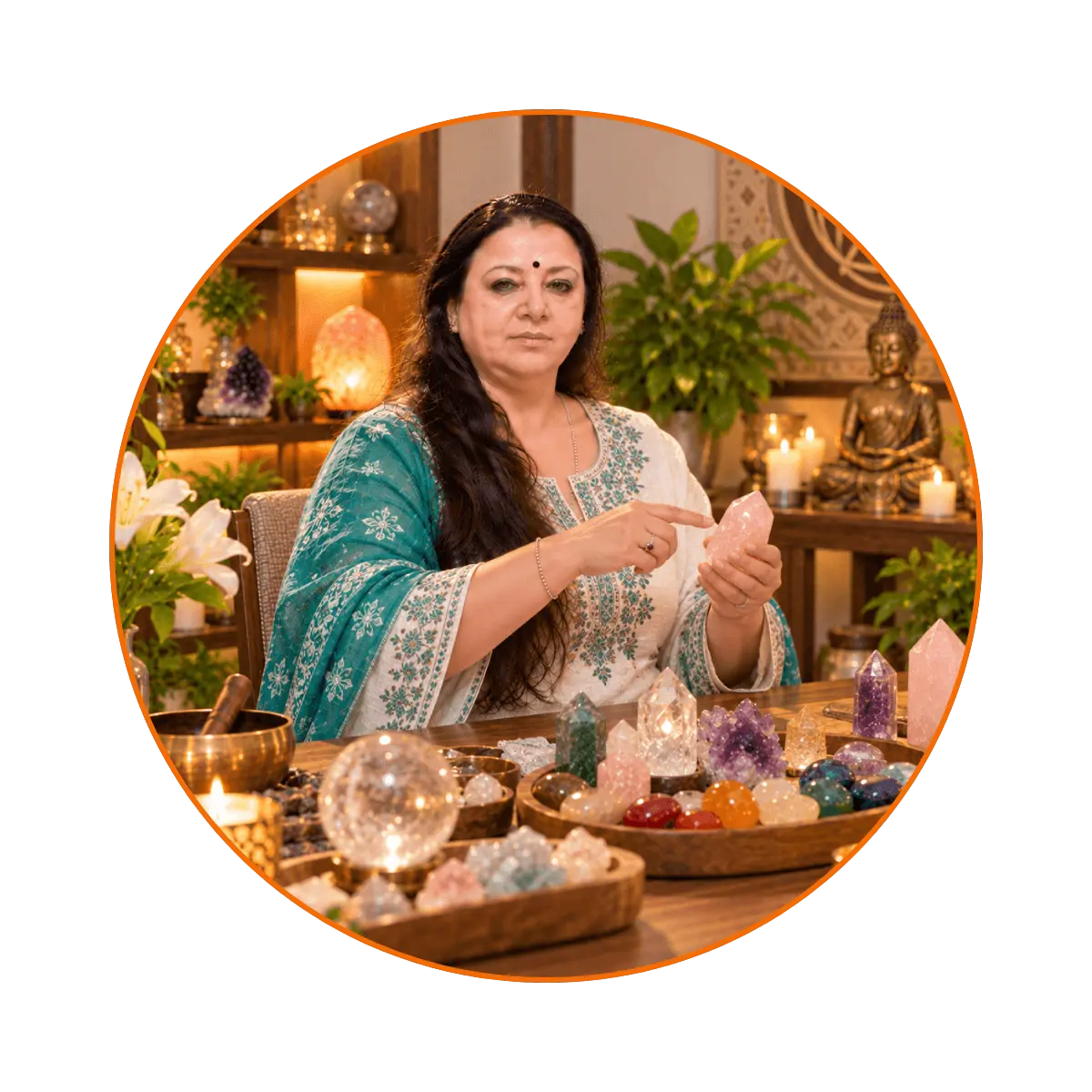
The Crystal Healing Course is designed for people interested in learning about crystals and their traditional use in spiritual and energy-based practices. Crystals have been used as decorative objects, cultural symbols and spiritual tools across different traditions. In modern holistic practices, people may use crystals during meditation, relaxation, intention setting and personal reflection.
A Crystal Healing Course provides a structured introduction to these practices and helps students develop a simple approach to working with different stones. The focus is on understanding crystal traditions, personal observation and responsible use rather than making claims about guaranteed physical or emotional results.
Crystals come in many colours, shapes, textures and mineral types. Each stone may have different traditional associations, and natural stones can vary considerably from one piece to another. Learning how to identify, select, clean and use crystals can make personal practice more organised and meaningful.
Understanding Crystal Healing
Crystal healing is a complementary and spiritual practice based on traditional beliefs about the symbolic or energetic qualities of crystals. Practitioners may place stones around the body, hold them during meditation or use them in layouts according to particular traditions.
A Crystal Healing Course helps students understand these practices while keeping clear boundaries between spiritual belief and established medical care.
The term “healing” in crystal practices generally refers to a spiritual or personal wellness approach. There is no reliable scientific evidence that crystals can diagnose, cure or treat medical conditions.
Students can therefore approach crystal work as meditation, personal reflection or a spiritual practice rather than as a replacement for qualified healthcare.
Choosing Crystals
Selecting the right crystal is an important part of a Crystal Healing Course. Different traditions associate different stones with qualities such as calmness, focus, confidence, grounding, communication or emotional reflection.
Commonly used stones include clear quartz, amethyst, rose quartz, black tourmaline, citrine, carnelian, lapis lazuli and many others. Each has its own traditional associations.
Students can learn to consider several factors when choosing a crystal, including its traditional meaning, colour, appearance, personal preference and intended use.
There does not need to be one fixed rule for choosing a stone. Personal connection and practical considerations can also be part of the process.
Natural Crystal Characteristics
Natural crystals are not identical. A Crystal Healing Course can help students understand why natural stones may have differences in colour, clarity, markings, shape, size and surface texture.
Some crystals may contain inclusions, lines, small cracks or variations that are part of their natural formation. These differences do not necessarily mean that a stone is damaged or unsuitable for personal use.
Students should also understand that some crystals sold in the market may be dyed, heat treated, polished, coated or otherwise processed. Learning basic identification and care can help people make more informed choices.
Crystal Cleansing
Cleansing is a common practice among crystal users. Different traditions recommend different methods, including placing crystals in moonlight, using sound, visualisation, smoke from suitable herbs or simply holding the crystal with a clear intention.
A Crystal Healing Course can introduce these methods as traditional practices rather than scientifically proven processes.
Not every crystal is suitable for water, salt or direct sunlight. Some minerals can be damaged, fade or dissolve when exposed to certain conditions. Students should check the physical properties of a crystal before using a particular cleansing method.
Simple methods such as sound, visualisation or careful cleaning can be suitable alternatives for many stones.
Crystal Meditation
Meditation is one of the easiest ways to include crystals in personal practice. A person may hold a stone while sitting quietly or place it nearby during meditation.
In a Crystal Healing Course, crystal meditation can be used as an exercise in concentration and personal awareness. Students may focus on the weight, texture, colour or appearance of a crystal while breathing slowly.
Another approach is to choose a crystal based on a personal intention and use it as a reminder during meditation.
The purpose is not to expect a guaranteed effect from the stone. The crystal can simply act as a physical focus for attention.
Crystal Layouts
Crystal layouts involve placing stones in particular positions around or near a person. Some traditions connect different positions with chakras, intentions or areas of personal reflection.
A Crystal Healing Course can introduce layout practices as part of traditional energy work. Students can experiment with simple arrangements and record their experiences.
Crystal layouts do not have to be complicated. A small number of stones can be placed around a comfortable meditation area, with each stone selected for its traditional association or personal meaning.
The practice should always be comfortable and safe.
Crystals and Chakras
Many modern crystal practices connect specific stones with the seven main chakras. For example, red stones are often associated with the root chakra, green or pink stones with the heart chakra, blue stones with the throat chakra and violet stones with the crown chakra.
A Crystal Healing Course may explore these associations as part of spiritual study.
Chakra systems are traditional spiritual concepts and are not scientifically established medical systems. Students should treat these associations as symbolic or spiritual rather than as a method for diagnosing physical or psychological conditions.
Crystal Grids
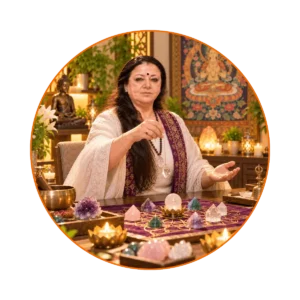
Crystal grids are arrangements of stones placed in a particular pattern for meditation, intention setting or spiritual practice.
A Crystal Healing Course can introduce the idea of using geometric arrangements and different crystal combinations. Students may create a simple grid for personal reflection using stones they already have.
The meaning of a crystal grid depends on the tradition being followed and the personal intention of the practitioner.
Crystal grids can also be visually appealing and may be used as a quiet focal point in a meditation or personal space.
Working With Crystal Intentions
Intention setting is an important part of many crystal practices. Before using a stone, a person may decide what the session represents.
For example, someone may use a crystal as a reminder to spend more time in meditation, maintain personal boundaries or focus on a particular personal goal.
A Crystal Healing Course can encourage students to write down their intention before beginning a practice. This creates a simple record that can be reviewed later.
The intention belongs to the person using the crystal. The stone itself should not be treated as something that can guarantee an external result.
Using Crystals in Daily Life
Crystals can be used in simple ways outside formal meditation. A person may keep a small stone on a desk, place crystals near a meditation area or carry a suitable stone as a personal reminder.
A Crystal Healing Course can help students develop practical habits around storage, handling and care.
Crystals should be kept away from situations where they could become a safety risk. Small stones should also be kept away from young children and pets who may swallow them.
Some minerals should not be placed in water, used in drinking water or handled in ways that could expose a person to harmful substances. Proper identification and sensible handling are important.
Crystal Healing and Personal Reflection
A Crystal Healing Course can be useful for people who enjoy combining crystals with meditation, journaling and quiet reflection.
For example, a student may choose a stone, sit quietly for several minutes and then write down any thoughts or observations. The same exercise can be repeated with different stones.
This type of practice does not require accepting every traditional claim about crystals. Students can explore the symbolism while remaining aware of the difference between spiritual belief and scientific evidence.
Responsible Crystal Practice
Responsible practice is an important part of learning crystal work. Crystals should not be presented as substitutes for doctors, therapists, medicines or other professional services.
A Crystal Healing Course is best understood as education in traditional spiritual practices involving crystals, meditation, intention and personal reflection.
Students should avoid making medical claims about crystals when working with friends, family or clients. If someone has a health concern, appropriate professional care should be recommended.
Consent is also important when working with another person. No crystal practice should involve unwanted physical contact or pressure to accept a particular spiritual belief.
Who Can Study a Crystal Healing Course?
The Crystal Healing Course can be suitable for beginners, meditation practitioners, spiritual learners and people who already collect or work with crystals.
Previous experience may not be necessary for basic crystal meditation and personal practice unless specific requirements are set by the course provider.
People who already practise Reiki, chakra meditation, energy work or other spiritual traditions may also find crystal practices useful as an additional area of study.
The approach can be adapted to personal beliefs and preferences.
Building a Personal Crystal Practice
A personal crystal practice does not need to involve a large collection of stones. A few well-understood crystals can be enough for meditation, observation and reflection.
A Crystal Healing Course can help students develop a simple routine based on careful selection, cleansing, meditation and journaling.
Keeping notes can be helpful. Students can record the crystal used, the purpose of the session, the meditation method and their personal observations. Over time, this creates a useful record of their own experience.
Natural crystals can vary widely, so students should also learn to appreciate the physical qualities of each individual stone rather than expecting every piece of the same mineral to look identical.
Important Note
Crystal healing is a spiritual and complementary practice. Claims that crystals can diagnose, cure or treat diseases are not scientifically established.
The Crystal Healing Course is intended for education, meditation, spiritual study and personal reflection. It should not replace medical treatment, psychological care, counselling or other professional advice.
Individual experiences with crystals can differ, and no specific health, emotional, financial or personal result should be promised.
Why Choose a Crystal Healing Course?
The Crystal Healing Course offers a practical introduction to traditional crystal practices without requiring complicated equipment. It can help students understand crystal selection, cleansing, meditation, layouts, chakra associations and responsible personal use.
For people who already enjoy crystals, the course can provide a more organised way to study their traditional meanings and incorporate them into meditation and reflection.
For beginners, the Crystal Healing Course can provide a starting point for learning how crystals are used in different spiritual practices while maintaining a clear distinction between traditional beliefs and scientific evidence.
The practice can remain simple: choose a suitable stone, set a personal intention, spend quiet time with it and record your observations. Over time, students can develop their own approach based on personal preference and the traditions they wish to follow.
Reviews
There are no reviews yet.