

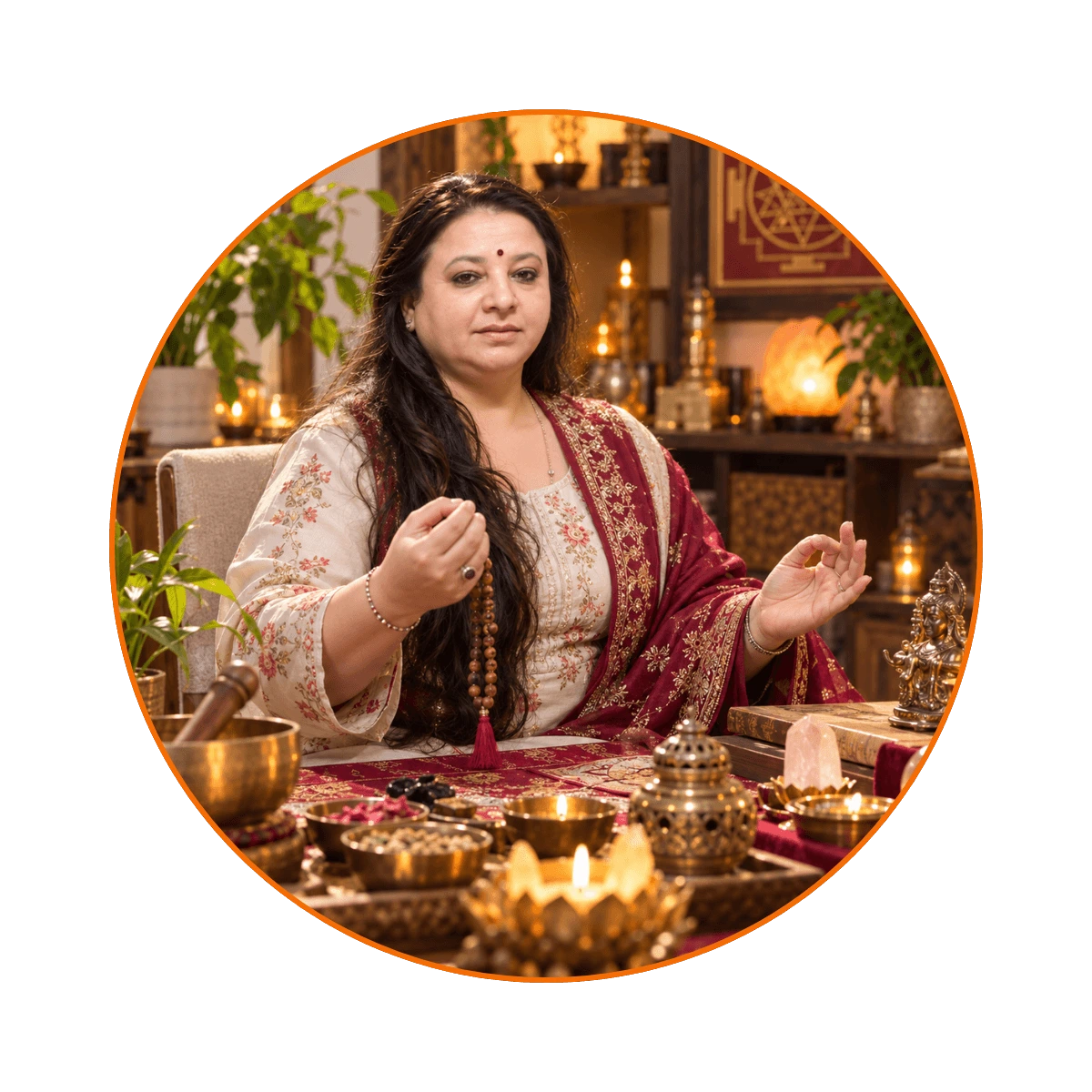
The Shalvik Mantra System Course is intended for people interested in traditional mantra practices, spiritual learning, and the role of sound in devotional traditions. Mantras have been used in many Indian religious and spiritual settings for prayer, meditation, contemplation, and worship. Their meanings and methods of use can vary according to the tradition, language, and teacher associated with them.
For learners who want to explore a specialised mantra system, this course title offers a starting point for studying its terminology and spiritual background. It may appeal to beginners as well as people who already have an interest in mantra recitation, meditation, or traditional Indian spiritual practices.
The exact meaning of “Shalvik” and the methods included in this particular course should be confirmed through the provider’s published information. The Shalvik Mantra System Course may follow a specific teaching approach or lineage, so reviewing the details before enrolling is important.
Understanding Mantra Traditions
A mantra is generally a word, phrase, sound, or sequence of syllables used within a spiritual or religious practice. In Indian traditions, mantras may be associated with prayer, devotion, concentration, or particular forms of worship. Some have meanings that can be translated, while others are understood through their sound, traditional interpretation, or role within a specific practice.
Mantra traditions are diverse. Their methods may include repetition, recitation, attentive listening, or quiet contemplation. In some settings, pronunciation and the guidance of a teacher are considered important parts of learning.
The Shalvik Mantra System Course offers an opportunity to explore a specialised subject within this wider context. Depending on the provider, the material may discuss the background of the system, the role of sound, or the place of mantra practice in spiritual life. Check the course description to establish which topics are actually covered.
The Role of Sound and Repetition
Sound plays an important role in many forms of prayer and meditation. Repeating a word or phrase can give attention a clear focus and provide a regular structure for a period of reflection. In devotional settings, repetition may also be an expression of faith or respect for a particular tradition.
Some mantra practices use a set number of repetitions, while others focus on attentive recitation or quiet remembrance. The appropriate method depends on the tradition and the instructions provided by the teacher.
The Shalvik Mantra System Course may introduce sound-based practices if they form part of its teaching approach. Learners should follow the course instructions and ask for clarification when the meaning or pronunciation of a term is unclear.
It is helpful to understand that spiritual interpretations of mantra sound are matters of religious belief and tradition. Although repetition may help some people focus during a quiet activity, claims about guaranteed supernatural effects or specific life outcomes should not be assumed.
Spiritual Discipline and Regular Practice
Many spiritual traditions value patience, attention, and consistency. A regular period of study or reflection can help learners become familiar with unfamiliar terms and understand the context in which a practice is used.
The Shalvik Mantra System Course may suit people who prefer a structured approach to learning about mantras. Depending on the course format, learners may be able to revisit explanations, make notes, and take time to understand the ideas presented.
A manageable routine can be more useful than trying to learn everything at once. If the course includes recitation or meditation exercises, follow the instructions provided and practise in a comfortable setting. There is no need to rush or expect the same experience as another learner.
It is also reasonable to ask questions about the origin of a practice and the tradition from which it comes. Understanding the background can help learners approach mantra study with care rather than treating all mantras as interchangeable.
Understanding the Tradition Behind the System
Mantra practices are often connected with particular texts, religious communities, or teaching lineages. The words used, their interpretation, and the manner of practice may differ between traditions. Some practices are intended for general devotional use, while others may have specific preparation or guidance requirements.
The Shalvik Mantra System Course should be understood in the context explained by its provider. If the course refers to a particular teacher, lineage, text, or traditional source, reviewing that information can help learners understand how the system is presented.
Avoid assuming that the course includes formal initiation, advanced ritual instruction, or personal guidance unless these features are clearly stated. If a practice is traditionally taught under the direction of an experienced teacher, follow the requirements described by that tradition.
Respectful study includes recognising the difference between established traditional information, the provider’s interpretation, and an individual’s personal experience.
Who May Be Interested in This Course?
The Shalvik Mantra System Course may be suitable for:
- Beginners interested in learning about mantra traditions.
- Learners curious about sound-based meditation and recitation.
- People who enjoy devotional study and spiritual reflection.
- Practitioners interested in exploring a specialised mantra system.
- Students of Indian religious and spiritual traditions.
- Individuals who want to understand the background of a particular spiritual practice.
No previous experience should be assumed unless the provider lists specific entry requirements. If you are new to mantra study, check whether the course explains the basic terms and concepts before introducing more specialised material.
Learning with Care and Attention
Studying a mantra system involves more than memorising sounds. It can also require understanding the meaning, cultural setting, and intended use of a practice. Taking notes and revisiting explanations may help learners remember important details and identify questions for further study.
The Shalvik Mantra System Course may provide a framework for exploring its subject in an organised way. The exact learning experience will depend on the course format, teaching materials, and level of guidance offered.
Approach the material with patience and realistic expectations. People may have different experiences during spiritual practice, and those experiences do not necessarily confirm a particular interpretation. It is sensible to remain open to learning while checking claims against reliable information where appropriate.
If any exercise makes you uncomfortable, you can pause and review the instructions before continuing. Spiritual study should be approached voluntarily and with respect for personal boundaries.
What to Check Before Enrolling
Before purchasing the Shalvik Mantra System Course, review the product details carefully. Confirm the course format, duration, language, access period, and learning materials included. If you are looking for specific mantras, pronunciation guidance, guided recitation, or information about a particular lineage, make sure these are mentioned in the provider’s description.
Do not assume that live sessions, personal mentoring, downloadable recordings, formal initiation, or a certificate are included unless the provider clearly states so. If a certificate is offered, check whether it represents course completion or a recognised qualification.
Since specialised mantra systems may differ in their approach, understanding the provider’s background and the scope of the course can help you decide whether it fits your interests.
Begin Your Mantra Study
The Shalvik Mantra System Course offers a subject for learners interested in traditional mantra practices, sound, and spiritual discipline. It may be a suitable starting point for exploring the system’s terminology and the way it is presented within its particular teaching context.
Take time to review the course details and consider what you hope to gain from the experience. A respectful approach, careful study, and realistic expectations can help you engage with the material thoughtfully.
Important note: The specific meaning, practices, and teachings included in the Shalvik Mantra System Course depend on the provider. Spiritual and devotional practices do not guarantee supernatural, financial, health, or personal outcomes. Please confirm the course contents and any practice requirements before enrolling.

Reviews
There are no reviews yet.