

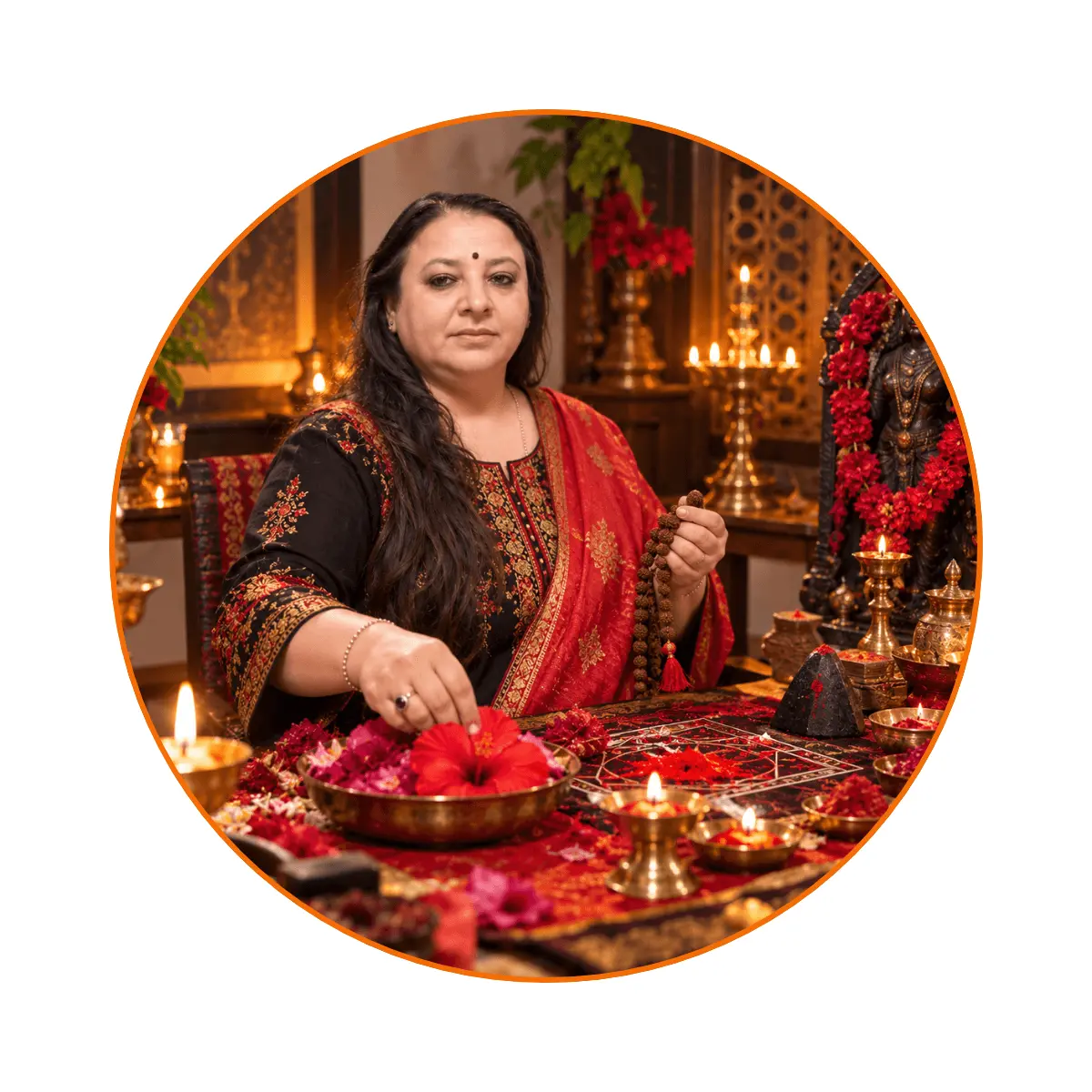
The Kamakhya Sadhana Course is intended for people interested in the spiritual traditions, devotional practices, and cultural background associated with Goddess Kamakhya. Known for her importance within Shakta traditions of Hinduism, Goddess Kamakhya is worshipped by devotees who follow different forms of Shakti worship. Her association with the Kamakhya Temple in Assam makes her an important figure in the religious and cultural life of the region.
For those who wish to explore this tradition, the Kamakhya Sadhana Course offers a starting point for studying the meaning of sadhana, devotional discipline, and the beliefs connected with Kamakhya worship. Sadhana generally refers to a regular spiritual practice undertaken with dedication and a clear purpose. Depending on the tradition, it may involve prayer, mantra recitation, meditation, ritual observances, or other forms of devotion.
Before enrolling, review the course provider’s information to confirm the exact topics, teaching format, access arrangements, and any required materials.
Understanding Goddess Kamakhya
Goddess Kamakhya holds a distinctive place in Shakta traditions, which focus on the Divine Feminine as a central expression of spiritual power. The Kamakhya Temple, located at Nilachal Hill in Guwahati, Assam, is one of the best-known centres of Kamakhya worship and attracts devotees and visitors throughout the year.
The goddess is associated with fertility, feminine creative power, and Shakti in several religious traditions. Her worship also has connections with particular forms of Tantra, a broad and varied body of spiritual traditions found within Hinduism and other Indian religious contexts.
The Kamakhya Sadhana Course may appeal to people who want to understand this religious background and explore the devotional practices associated with the goddess. It is useful to approach the subject with respect for its regional history, living traditions, and the different ways devotees understand their worship.
What Sadhana Means in Spiritual Practice
The word sadhana is commonly used to describe a disciplined spiritual practice. It can refer to a regular routine intended to support devotion, concentration, self-reflection, or spiritual development. The exact meaning and method depend on the tradition being followed.
For some practitioners, sadhana involves setting aside a particular time for prayer or mantra recitation. Others may follow a prescribed routine under the guidance of a knowledgeable teacher. In traditions with specific ritual requirements, the correct method may depend on the practitioner’s background and the instructions of their lineage.
The Kamakhya Sadhana Course provides a subject area for people interested in learning about these practices. The provider’s course details should be consulted to understand whether the offering focuses on introductory knowledge, devotional guidance, ritual instruction, or another approach.
Sadhana is generally understood as a practice requiring patience and consistency rather than a one-time activity. Learners can approach the subject thoughtfully, taking time to understand the context and meaning of any practices they choose to follow.
Exploring Kamakhya Worship and Shakta Traditions
Shakta worship places the Goddess, or Shakti, at the centre of spiritual understanding. Within these traditions, the Divine Feminine may be approached through prayer, meditation, devotional offerings, mantras, and other forms of worship. Practices differ according to region, community, and spiritual lineage.
Kamakhya worship has a distinctive historical and cultural setting, with connections to Assam and wider traditions of goddess worship in India. The annual Ambubachi Mela at the Kamakhya Temple is a well-known religious gathering associated with the goddess and beliefs concerning the Earth’s fertility.
The Kamakhya Sadhana Course may be relevant to learners who want to explore the religious ideas and practices associated with this tradition. When studying any spiritual system, it is important to distinguish general cultural information from instructions intended for a specific lineage or initiation-based practice.
Not every ritual is suitable for every practitioner. Some practices may have particular requirements or may be taught only within certain traditions. Follow the course provider’s guidance and seek qualified instruction where appropriate.
The Importance of Mantra and Devotional Discipline
Mantra recitation is part of many Hindu spiritual practices. A mantra may consist of a sacred syllable, a name of a deity, or a longer devotional phrase. Practitioners may recite mantras as an expression of devotion, a focus for concentration, or part of a structured spiritual routine.
The meaning, pronunciation, and method of recitation can vary according to the mantra and tradition. Some practices are open forms of devotion, while others may require guidance from a qualified teacher or initiation according to the relevant lineage.
The Kamakhya Sadhana Course may interest people who want to learn about the place of mantra and discipline in Kamakhya-related spiritual practice. Check the product listing to confirm which mantras, if any, are included and whether the course provides pronunciation guidance or specific instructions.
Approach mantra practice with care and respect. Avoid assuming that every mantra can be used interchangeably or that reciting a particular phrase guarantees a specific spiritual, financial, health, or personal outcome.
Building a Consistent Personal Practice
A regular spiritual routine can provide a dedicated time for prayer, reflection, and learning. People who follow devotional traditions often choose a quiet place where they can practise without unnecessary interruptions.
If you are exploring the Kamakhya Sadhana Course, consider how its teachings may fit into your existing beliefs, daily schedule, and level of experience. Begin by understanding the purpose of each practice rather than rushing through unfamiliar instructions.
Keeping a notebook can help you record questions, meanings, and points you wish to review. If the course includes specific ritual procedures, follow the supplied instructions and ask the provider for clarification when necessary.
A thoughtful approach allows learners to engage with spiritual material while recognising that traditions can have different expectations and methods. There is no need to make claims about extraordinary results in order to value the time spent studying or practising.
Who May Be Interested in This Course?
The Kamakhya Sadhana Course may suit people interested in Goddess Kamakhya, Shakta traditions, Hindu devotional practices, or the cultural history of goddess worship. It may also appeal to learners who want to develop a clearer understanding of the role of sadhana in spiritual life.
Beginners may find it helpful to start with the religious and historical context before exploring specific practices. People who already have experience with devotional traditions may be interested in learning more about Kamakhya worship and its particular significance.
The level of experience required depends on the course itself. Check the provider’s description to determine whether it is intended for beginners, experienced practitioners, or a particular audience.
Respectful and Responsible Learning
Spiritual traditions deserve to be approached with care, especially when practices have particular cultural, ritual, or lineage-based contexts. Learn from reliable sources, respect the instructions of qualified teachers, and avoid treating complex traditions as a collection of shortcuts or guaranteed methods.
The Kamakhya Sadhana Course should be considered an educational or spiritual offering according to the details supplied by its provider. Religious beliefs about blessings, spiritual progress, or divine assistance are matters of faith and cannot be presented as guaranteed outcomes.
For significant personal, medical, financial, or legal decisions, rely on appropriate professional advice and verifiable information rather than spiritual practice alone.
Check Course Details Before Enrolling
Before purchasing the Kamakhya Sadhana Course, confirm the format, language, access period, course materials, and any prerequisites. Check whether lessons are delivered through video, written material, live sessions, or another method. Do not assume that personal guidance, initiation, certificates, or additional resources are included unless the provider explicitly states so.
Understanding these details can help you decide whether the course suits your interests and expectations.
Begin Your Study of Kamakhya Sadhana
The Kamakhya Sadhana Course offers a starting point for people interested in the traditions associated with Goddess Kamakhya and the wider practice of sadhana. By learning about the religious background, devotional discipline, and cultural context, learners can approach this subject with greater understanding and respect.
Review the provider’s specifications before enrolling and choose a learning approach that fits your experience and beliefs. A careful study of Kamakhya traditions can help you appreciate their significance without assuming that spiritual practices guarantee particular results.
Course note: The exact lessons, rituals, mantras, and learning materials depend on the provider’s offering. Please confirm all course details before purchase. Spiritual practices are matters of religious tradition and personal belief, and specific outcomes are not guaranteed.

Reviews
There are no reviews yet.