

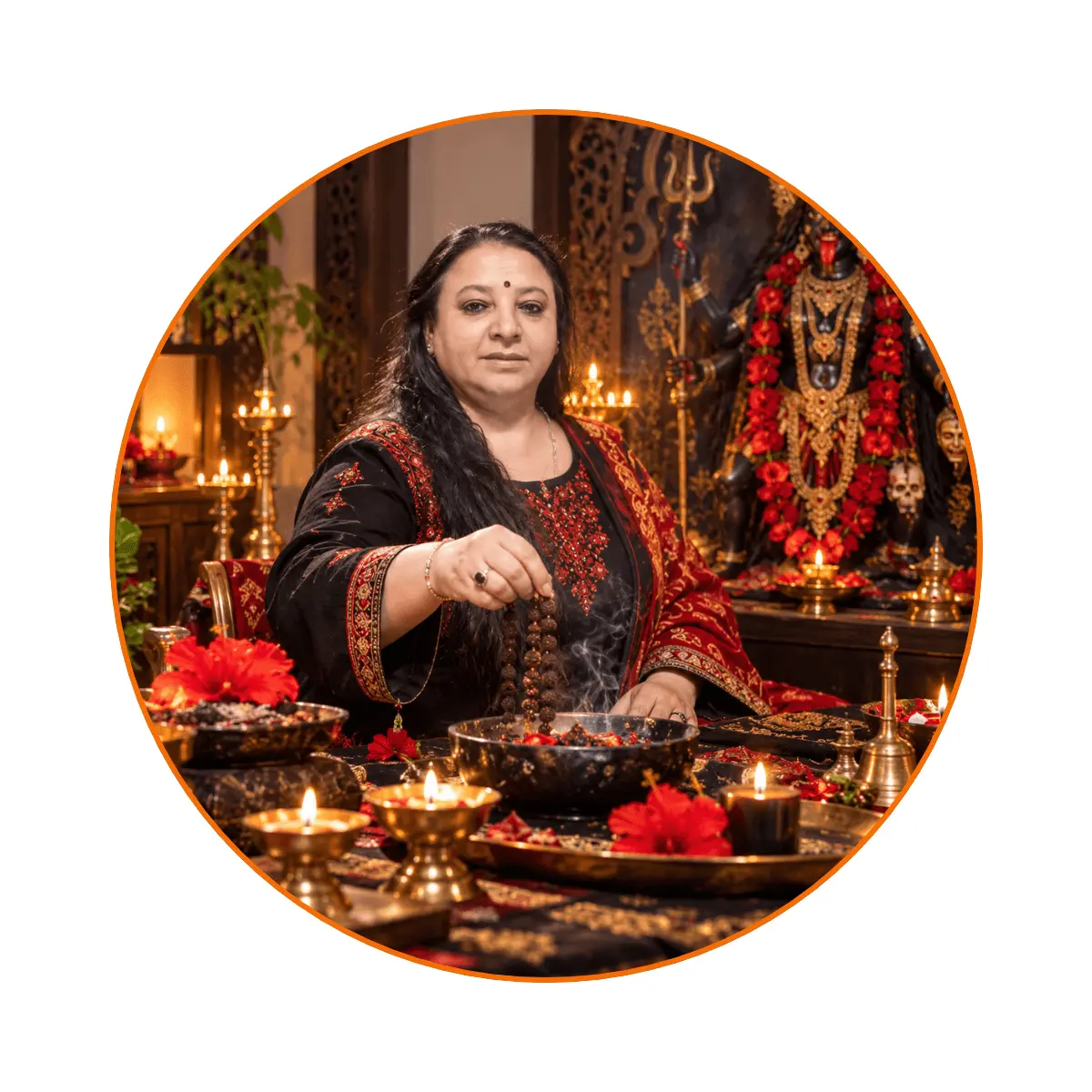
The Kali Sadhana Course is intended for people interested in the devotional traditions associated with Goddess Kali and the spiritual practices connected with her worship. Goddess Kali holds an important place in Hindu traditions, particularly within Shakta worship, where the Divine Feminine is understood as a central expression of spiritual power. She is often associated with strength, time, change, protection, and the courage to face difficult aspects of life.
Sadhana refers to a regular spiritual practice undertaken with dedication and purpose. Depending on the tradition, it may involve prayer, mantra recitation, meditation, contemplation, or prescribed forms of worship. The Kali Sadhana Course provides an opportunity to explore this subject and understand the religious ideas and devotional customs associated with Goddess Kali.
For those interested in Hindu spiritual traditions, goddess worship, or personal devotional discipline, this course may offer a useful starting point for further study.
Understanding Goddess Kali
Goddess Kali is one of the most recognisable figures in Hindu religious art and mythology. Her appearance can be powerful and striking, often showing a dark complexion, a garland, and symbolic objects that communicate ideas about time, change, and the nature of existence. These images have particular meanings within different religious traditions and should be understood in their cultural and devotional context.
Kali is not understood in just one way. For many devotees, she represents divine protection, courage, and the power to confront ignorance and destructive forces. Some traditions also connect her with liberation and the recognition that change is an unavoidable part of life.
The Kali Sadhana Course may appeal to learners who want to understand these interpretations and the place of Kali worship within Hindu spiritual life. Studying the symbolism associated with the goddess can help provide context for devotional practices and the beliefs behind them.
The Meaning of Kali Sadhana
Sadhana generally describes a disciplined spiritual routine. In Hindu traditions, it may include prayer, meditation, mantra recitation, reading devotional texts, or other forms of worship. The details depend on the particular tradition, the purpose of the practice, and the guidance a practitioner follows.
Kali sadhana refers to spiritual practices connected with Goddess Kali. Some forms of worship are suitable for general devotional observance, while others may involve specific instructions, initiation, or guidance from an experienced teacher.
The Kali Sadhana Course is designed for people interested in exploring this area of spiritual learning. The exact practices covered will depend on the course material. Learners should take time to understand the meaning and context of any ritual before attempting it.
A thoughtful approach to sadhana places importance on consistency, understanding, and respect for tradition rather than rushing through practices or expecting immediate results.
Mantra and Devotional Recitation
Mantra recitation is an important part of many Hindu devotional practices. A mantra may consist of a divine name, a traditional verse, or a sequence of sounds used during prayer or meditation. Practitioners may recite mantras as an expression of devotion or as a way to focus attention during a regular spiritual routine.
Goddess Kali is honoured through different prayers and mantras across Hindu traditions. The meaning, pronunciation, and method of recitation may vary according to the practice being followed. Some methods are widely known, while others may be taught within a particular lineage and require guidance from a qualified teacher.
Through the Kali Sadhana Course, learners may explore the place of mantra and prayer in Kali worship. The specific prayers and instructions included depend on the course offering.
Approach mantra practice with care and respect for its religious context. Recitation should not be treated as a guaranteed way to obtain wealth, control events, remove every difficulty, or achieve a particular supernatural result.
Strength, Courage, and Personal Reflection
Goddess Kali is often associated with the ability to face difficult situations and confront destructive forces. In devotional interpretation, these themes may encourage reflection on courage, self-discipline, and the willingness to recognise personal challenges honestly.
For example, a person may use time spent in prayer or reflection to consider an issue they have been avoiding or to think more carefully about a difficult decision. Another person may draw inspiration from Kali’s symbolism when working to establish healthier habits or maintain resolve during a demanding period.
The Kali Sadhana Course may be relevant to learners who wish to explore these traditional meanings alongside devotional practice. Such reflection can be personally meaningful when it is connected with practical, responsible action.
Spiritual practice does not remove the need to address real-world problems. Health concerns, financial difficulties, and other serious matters should be approached with appropriate professional support and reliable information.
Exploring Shakta Traditions
Shakta traditions focus on the Goddess, or Shakti, as a central expression of divine reality. Within these traditions, different forms of the Goddess are honoured through distinct stories, images, prayers, and devotional methods.
Goddess Kali is an important figure in several Shakta traditions, including some forms of Tantric worship. These traditions are varied, with differences in their history, philosophy, and ritual practices. It is therefore important not to assume that all forms of Kali worship follow the same method.
The Kali Sadhana Course may interest people who want to learn about this religious background and understand the cultural setting of Kali devotion. Studying the context can help learners appreciate why particular symbols and practices hold meaning for devotees.
Where a practice is associated with a specific lineage or initiation, it is sensible to seek guidance from a knowledgeable teacher rather than relying on incomplete instructions.
Developing a Consistent Spiritual Routine
A regular devotional routine can provide dedicated time for prayer, contemplation, and religious study. Some people choose a quiet place at home, while others prefer to practise as part of temple worship or another established community tradition.
If you are studying the Kali Sadhana Course, approach unfamiliar material gradually. Take notes, learn the meaning of traditional terms, and make sure you understand the purpose of each practice before following its instructions.
The right routine depends on personal beliefs, daily responsibilities, and the tradition being followed. A simple and consistent devotional practice may be more suitable than a complex routine that is difficult to maintain.
If the course provides particular ritual instructions, follow the supplied guidance and seek clarification when needed. Respect the boundaries of practices that require qualified instruction or initiation.
Who May Be Interested in This Course?
The Kali Sadhana Course may suit people who are curious about Goddess Kali, Hindu devotional traditions, Shakta worship, or the meaning of sadhana. It may also interest existing devotees who want to organise their study of Kali-related spiritual practices.
Beginners can benefit from first learning about the goddess’s symbolism, religious background, and role within Hindu traditions. People with previous experience may wish to explore the subject in greater depth.
The course’s suitability will depend on the level of instruction and the material provided. Its purpose should be understood through the description supplied by the course creator.
Respectful and Responsible Practice
Goddess Kali is an important figure in living religious traditions, and her worship may have deep personal and cultural significance for devotees. A respectful approach recognises the diversity of these traditions and avoids treating spiritual practices as shortcuts to guaranteed results.
The Kali Sadhana Course should be approached as a spiritual or educational offering. Religious beliefs about blessings, protection, or spiritual progress are matters of faith and should not be presented as proven or certain outcomes.
It is also important to respect personal boundaries and the beliefs of others. Spiritual practice should support thoughtful conduct rather than replace responsible choices or professional advice.
Begin Your Study of Kali Sadhana
The Kali Sadhana Course offers a subject for people interested in Goddess Kali and the devotional traditions associated with her worship. Through study of the goddess’s symbolism, mantra traditions, and the meaning of sadhana, learners can develop a clearer understanding of this area of Hindu spiritual life.
Approach the subject with patience, respect, and an interest in its cultural and religious context. A careful study of Kali traditions can help you appreciate their significance and decide how they relate to your own spiritual interests.
Course note: The specific lessons, mantras, rituals, and learning materials depend on the course offering. Spiritual practices are matters of faith and tradition and do not guarantee particular personal, financial, health, or supernatural outcomes.


Reviews
There are no reviews yet.