
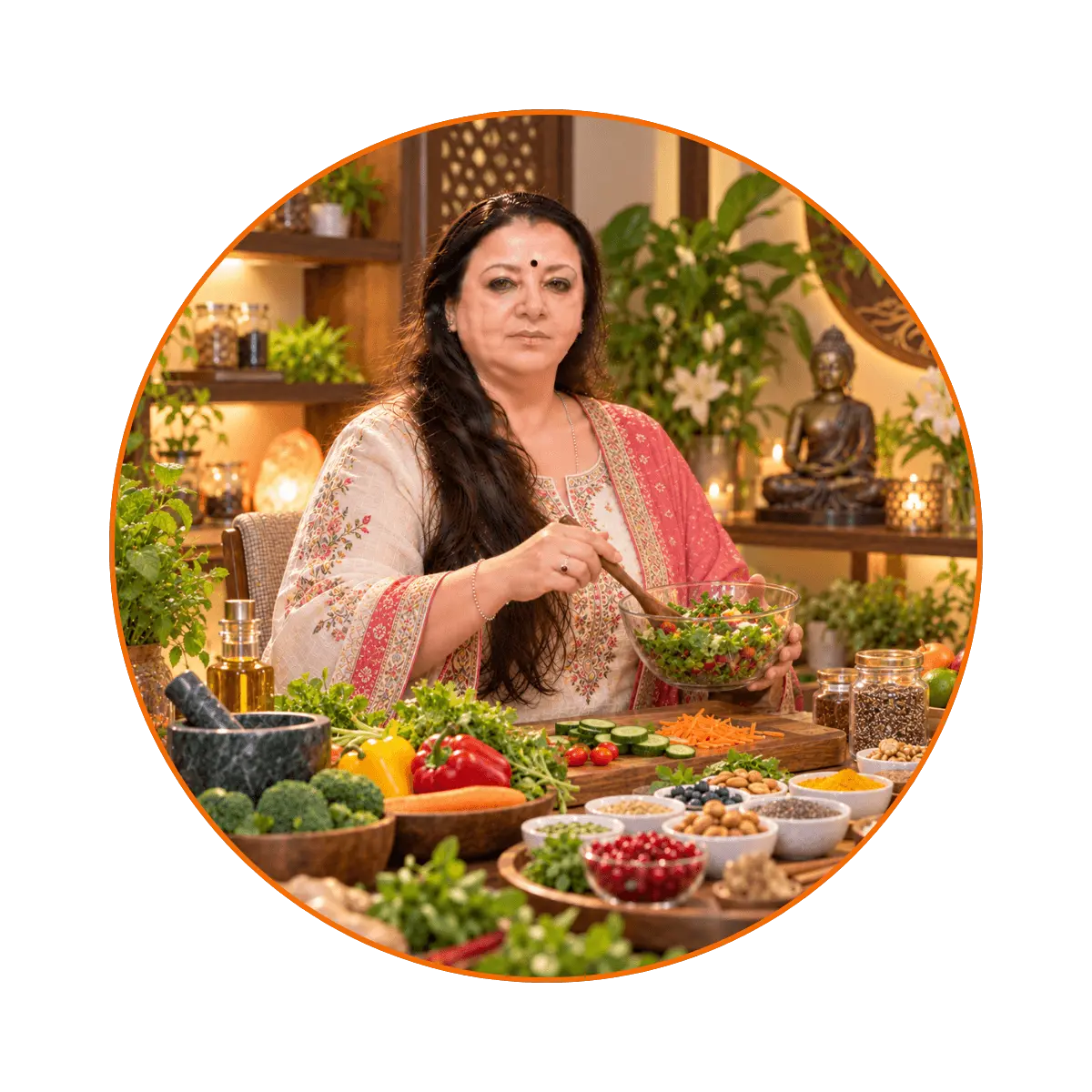
The Food as Medicine Course is designed for people who want to understand the connection between food, nutrition and everyday wellbeing. Food has been used in traditional systems of health and cooking for generations, with different cultures developing their own approaches to herbs, spices, grains, vegetables, fruits and other natural ingredients.
A Food as Medicine Course provides an educational approach to understanding these traditions alongside basic nutrition and practical food choices. The focus is on learning how food can form part of a healthy lifestyle rather than treating food as a replacement for medical care.
The phrase “food as medicine” is often used to describe the idea that nutritious food can support general health. A balanced diet provides nutrients such as carbohydrates, protein, fats, vitamins, minerals and fibre that the body needs for normal functions.
A Food as Medicine Course can help students understand these basic ideas and develop a more thoughtful approach to everyday meals.
Understanding Food and Wellness
Food is an important part of daily life. What people eat can influence their nutrient intake, energy levels and overall dietary quality. A Food as Medicine Course explores these topics in a practical way while also looking at traditional food practices.
Different foods provide different nutrients. Vegetables and fruits can provide vitamins, minerals and fibre. Whole grains can provide carbohydrates and fibre. Pulses, nuts, seeds, dairy products and other foods can contribute protein and other nutrients.
Learning about these basic food groups can help people make more informed choices.
The goal is not to label individual foods as cures. Instead, food can be understood as one part of a broader healthy lifestyle.
Traditional Food Practices
Many cultures have long traditions involving food, herbs and spices. Ginger, turmeric, garlic, cinnamon, cumin, fennel and other ingredients are commonly used in cooking and traditional wellness practices.
A Food as Medicine Course can introduce students to these traditional uses while making a clear distinction between cultural practice and medical evidence.
For example, an ingredient may have a long history of traditional use without having enough scientific evidence to support a specific medical claim.
Understanding this difference is important when studying food-based wellness.
Balanced Eating
A balanced approach to eating is an important part of a Food as Medicine Course. Rather than focusing on one particular ingredient, students can learn to consider variety and overall dietary patterns.
Meals can include a mixture of vegetables, fruits, whole grains, protein sources and suitable fats according to individual dietary needs and preferences.
Portion sizes, meal timing, food preparation and personal food choices can also be considered.
A balanced diet does not need to be complicated. Simple meals prepared with a variety of ingredients can provide a practical foundation for everyday eating.
Herbs and Spices
Herbs and spices are an interesting part of food-based traditions. They add flavour, aroma and colour to meals while also contributing small amounts of nutrients and naturally occurring plant compounds.
A Food as Medicine Course may explore the traditional use of ingredients such as turmeric, ginger, garlic, black pepper, cumin, coriander, cinnamon and fennel.
These ingredients can be included in normal cooking in ways that suit personal taste.
However, traditional use should not be confused with a guaranteed medical effect. Herbs and spices can also interact with medicines or may not be suitable for everyone in concentrated amounts.
Food Preparation
How food is prepared can affect its texture, taste and nutritional qualities. A Food as Medicine Course can encourage students to consider simple cooking methods and ingredient combinations.
Steaming, boiling, roasting, sauteing and other cooking methods can be used depending on the food and recipe.
Home cooking can also make it easier to understand what goes into a meal. Students may become more aware of added salt, sugar, oils and other ingredients.
The aim is not to create strict food rules but to encourage practical awareness.
Mindful Eating
Mindful eating can be included in a Food as Medicine Course as a way of paying attention to meals.
This may involve eating without unnecessary distractions, noticing flavours and textures, eating slowly and recognising feelings of hunger and fullness.
Mindful eating does not mean following a rigid diet. It simply encourages greater awareness of the eating experience.
Keeping a food journal can also help students notice eating habits, meal patterns and personal preferences without turning the process into a strict system.
Food and Individual Needs
Everyone has different dietary needs. Age, activity level, allergies, medical conditions, cultural preferences and personal dietary choices can affect what foods are appropriate.
A Food as Medicine Course should therefore be approached as general education rather than individual medical nutrition advice.
Someone with diabetes, kidney disease, food allergies, digestive conditions or another health concern may need specific dietary guidance from a qualified healthcare professional or registered dietitian.
Students should avoid making major dietary changes based only on general course information.
Seasonal and Local Foods
Traditional food systems often place importance on seasonal ingredients. Fruits, vegetables, grains and other foods may naturally change with the seasons depending on location.
A Food as Medicine Course can encourage students to explore seasonal foods available in their own area.
Local ingredients may also be familiar, affordable and easier to include in regular meals. Traditional recipes can provide useful ideas for combining different foods.
There is no need to follow a particular cultural food system unless it suits the individual’s preferences and dietary needs.
Food and Daily Routine
A healthy eating approach is easier to maintain when it fits into everyday life. A Food as Medicine Course can encourage practical meal planning rather than complicated food routines.
Planning a few meals in advance can help reduce last-minute food choices. Keeping basic ingredients available can also make home cooking easier.
Simple practices such as including vegetables in meals, choosing a variety of protein sources and drinking enough water can be part of an overall healthy lifestyle.
Specific nutritional needs should always be considered individually.
Food, Herbs and Safety
Natural does not always mean safe for everyone. A Food as Medicine Course should include sensible awareness around food and herbal products.
Some herbs can interact with prescription medicines. Certain foods may also cause allergic reactions or may need to be limited for people with particular health conditions.
Concentrated herbal extracts and supplements are different from using small amounts of herbs and spices in normal cooking.
Students should seek professional advice before using herbs or supplements for a health condition, especially when taking medication, during pregnancy or when managing a chronic condition.
Developing Healthy Food Habits
A Food as Medicine Course can help students look at food habits over time rather than focusing on one meal or one ingredient.
Small practical changes may be easier to maintain than strict diets. Cooking more often, adding variety to meals, learning basic nutrition and paying attention to portion sizes can all contribute to better food awareness.
The goal should be a sustainable eating pattern that fits individual circumstances.
Food should also remain enjoyable. Taste, culture, family traditions and personal preferences are all important parts of eating.
Food as Part of Preventive Lifestyle Care
Good nutrition is one part of a healthy lifestyle. Regular physical activity, adequate sleep, stress management, hydration and appropriate healthcare also matter.
A Food as Medicine Course can help students understand where food fits within this larger picture.
Food should not be presented as a cure for disease. A nutritious eating pattern may support general health, but medical conditions require appropriate assessment and treatment.
This balanced view allows students to explore food-based wellness without making unsupported health promises.
Who Can Study a Food as Medicine Course?
The Food as Medicine Course can be suitable for beginners, wellness learners, home cooks, nutrition enthusiasts and people interested in traditional food practices.
It can also be useful for people who want to understand the traditional role of herbs and spices in everyday meals.
The course is educational and should not be treated as professional medical nutrition training unless the specific course provider states that it is an accredited professional qualification.
Students should always check the provider’s course details, qualifications and scope before using the information professionally.
Building a Personal Food Practice
A Food as Medicine Course can encourage students to develop a practical relationship with food. This may include planning meals, trying new vegetables, learning about herbs and spices, preparing traditional recipes or keeping a simple food journal.
Students can gradually build their knowledge without following extreme dietary rules.
Reading food labels, learning basic cooking skills and understanding common nutrients can also support better everyday decisions.
The most useful approach is usually one that fits naturally into daily life and can be maintained over time.
Important Note
The Food as Medicine Course is intended for general education, nutrition awareness and study of traditional food practices. Food can provide essential nutrients and support a healthy lifestyle, but it should not be presented as a guaranteed treatment or cure for disease.
This course does not replace medical advice, diagnosis, treatment or individual dietary guidance from a qualified healthcare professional or registered dietitian.
People with medical conditions, food allergies, pregnancy-related dietary needs or those taking medicines should seek appropriate professional advice before making significant dietary or herbal changes.
Why Choose a Food as Medicine Course?
The Food as Medicine Course offers a practical introduction to food, nutrition, traditional ingredients, herbs, spices and mindful eating.
It can help students understand the role of food in everyday wellness while keeping realistic expectations about what food can and cannot do.
For beginners, the course provides a starting point for learning about balanced meals and traditional food practices. For people already interested in natural wellness, it can provide another area of study.
The Food as Medicine Course also encourages a sensible approach to food. Instead of relying on one special ingredient or strict diet, students can learn to consider variety, balance, preparation methods and individual needs.
Food is an important part of everyday life, and learning more about it can support better awareness of personal eating habits.
Reviews
There are no reviews yet.