
The Buddha Reiki Course is designed for people who want to explore Reiki practice together with Buddhist-inspired meditation, mindfulness and spiritual reflection. It offers a gentle approach to energy work while encouraging students to develop calm attention, regular practice and respect for different spiritual traditions.
The Buddha Reiki Course may be suitable for beginners who are new to Reiki as well as practitioners who already have experience with meditation or other energy-based practices. The course provides a way to study Reiki through a Buddha-inspired perspective without requiring students to follow a particular religion.
Buddha Reiki is generally understood as a spiritual or complementary practice that combines elements of Reiki with Buddhist ideas such as mindfulness, compassion, inner observation and meditation. Different teachers may use different methods, symbols and practices, so the exact approach can vary.
Understanding Buddha Reiki
The Buddha Reiki Course introduces the relationship between Reiki practice and Buddha-inspired principles of awareness, compassion and peaceful attention.
Reiki is commonly described as a Japanese energy-based practice involving gentle hand positions. Buddhist traditions, meanwhile, contain many forms of meditation and mindfulness. When these ideas are brought together in a Buddha Reiki approach, the emphasis may include calm awareness, compassion and personal spiritual practice.
Students can study these ideas without needing to treat them as scientific explanations. The practice is best understood as a complementary spiritual method.
A Calm Approach to Reiki Practice
The Buddha Reiki Course places importance on developing a quiet and focused state before beginning a Reiki session.
A practitioner may spend a few minutes sitting comfortably, breathing slowly and observing the present moment. This preparation can help create a peaceful environment for personal practice.
Students can develop their own routine according to their beliefs and comfort. There is no need for complicated equipment or a large practice space. A clean, quiet and comfortable area can be enough for basic meditation and Reiki practice.
Reiki and Mindfulness
Mindfulness is an important part of the Buddha Reiki Course because it encourages students to pay attention to the present moment.
During practice, learners may observe their breathing, thoughts, body sensations and emotional state without immediately reacting to them.
This type of awareness can be combined with traditional Reiki hand positions as part of a personal spiritual routine.
The aim is not to force a particular experience. Each person’s practice may feel different, and students can simply observe what they notice.
Buddha-Inspired Meditation
The Buddha Reiki Course can include meditation practices inspired by Buddhist approaches to awareness and compassion.
Meditation may involve focusing on the breath, sitting quietly, observing thoughts or developing feelings of kindness toward oneself and others.
Students can use meditation before or after Reiki practice. A short daily practice can be easier to maintain than an occasional long session.
Regular meditation can also help learners become more familiar with stillness and focused attention.
Hand Positions and Reiki Practice
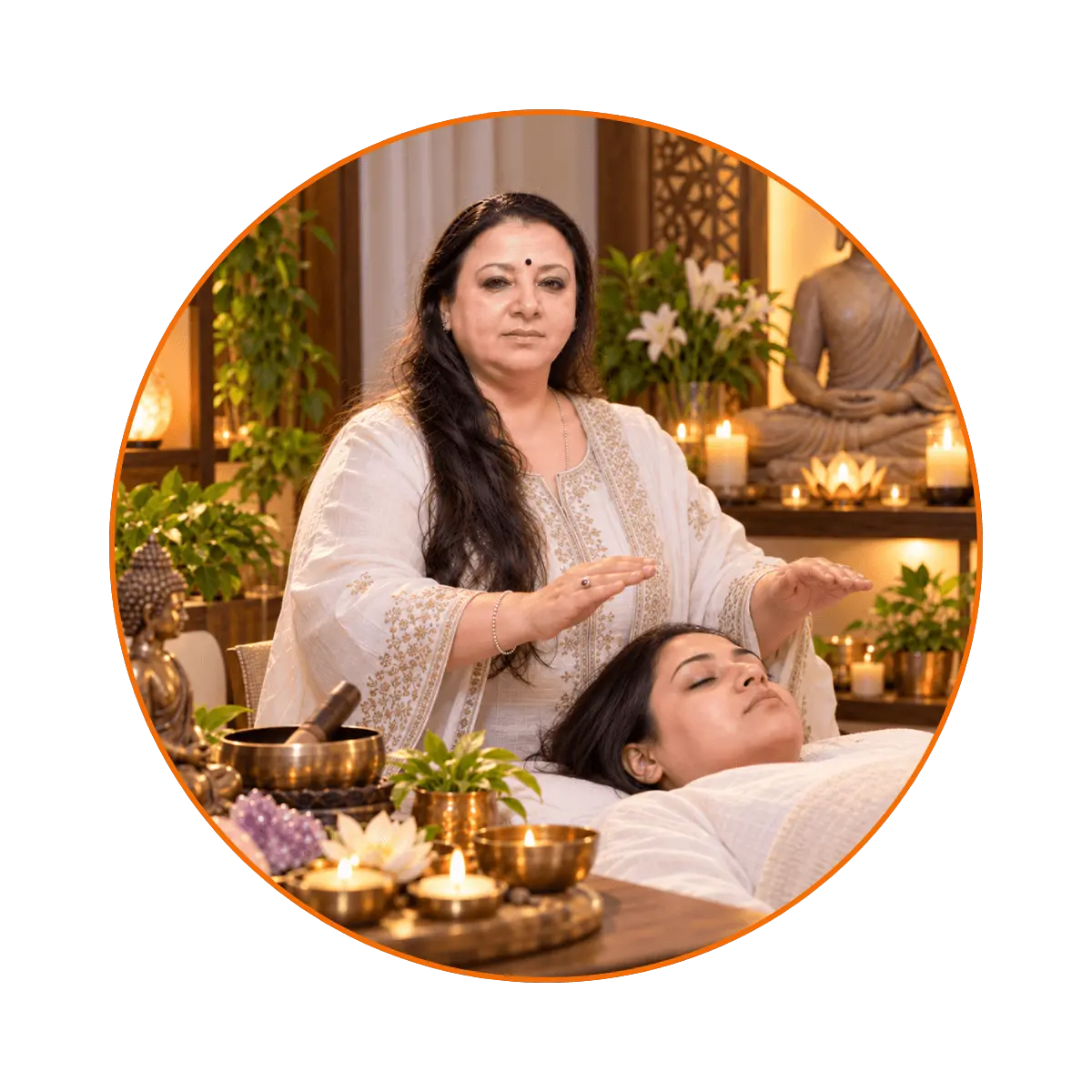
The Buddha Reiki Course introduces the traditional idea of using the hands during Reiki practice.
Reiki practitioners commonly place their hands on or slightly above different areas of the body. The exact sequence can vary between Reiki systems and teachers.
Students learn to practise gently and respectfully, paying attention to the comfort of the person receiving the session.
Touch should never be assumed. Permission should be obtained before placing hands on another person, and the person receiving the session should always have the option to stop.
Self Reiki Practice
Self-practice can be an important part of the Buddha Reiki Course.
Students can use traditional Reiki hand positions as part of a personal meditation or relaxation routine. The practice can be carried out while sitting or lying in a comfortable position.
Learners may begin with a short session and gradually develop a regular routine.
Keeping a simple journal can help students record their practice, including the time spent, meditation experience and personal observations.
Compassion and Personal Reflection
The Buddha Reiki Course may place attention on compassion and kind awareness.
Students can use meditation and Reiki practice as opportunities to reflect on their thoughts, emotions and responses to everyday situations.
Compassion in this context does not mean ignoring personal boundaries or accepting harmful behaviour. It can simply involve developing a more patient and considerate attitude toward oneself and others.
This approach can make the spiritual practice more grounded and respectful.
Reiki Sessions for Others
The Buddha Reiki Course can also introduce the basic structure of offering a Reiki session to another consenting person.
A session may begin with a short conversation about comfort, expectations and the type of touch involved. The practitioner can then use the selected Reiki hand positions while maintaining a calm and respectful environment.
Clear communication is important throughout the session.
A Reiki practitioner should never claim that a session can diagnose or cure a medical condition. Reiki should be presented as a complementary spiritual or relaxation practice.
Creating a Practice Space
The Buddha Reiki Course can help students develop a simple environment for meditation and Reiki practice.
A comfortable chair, mat or treatment surface may be enough. Some students may also choose to use soft lighting, quiet music or other personal items that help them concentrate.
These additions are optional. The main purpose of the space is to support quiet attention and comfortable practice.
Students should keep the area clean and make sure there is enough room to move safely.
Spiritual Practice Without Pressure
The Buddha Reiki Course can be approached according to a person’s own spiritual background.
Students do not need to adopt a particular religious belief to practise meditation or study Reiki. Buddha-inspired ideas can be explored as part of personal reflection while respecting the traditions from which they come.
It is useful to distinguish between historical Buddhist teachings and modern Reiki practices. They are not identical systems, even when a course brings selected ideas together.
Developing a Daily Routine
Regular practice is useful when studying the Buddha Reiki Course.
A simple routine may include a few minutes of quiet sitting, breathing, meditation and Reiki hand positions. Students can adjust the length of practice according to their schedule.
Keeping the routine manageable can make it easier to continue over time.
A practice journal can also help learners observe changes in their attention, mood and personal experience without assuming that every change has a spiritual cause.
Ethical Practice and Boundaries
Responsible conduct is an important part of the Buddha Reiki Course.
Students who practise with other people should respect privacy, personal boundaries and consent. Reiki practitioners should explain what they are doing and avoid making claims that go beyond the nature of the practice.
A practitioner should also know when to refer someone to an appropriate professional.
For example, serious physical symptoms, mental health concerns or medical conditions require qualified healthcare support rather than relying on Reiki alone.
Who Is This Course Suitable For?
The Buddha Reiki Course can be suitable for:
- Beginners interested in Reiki
- Reiki practitioners interested in meditation
- Students exploring Buddha-inspired spiritual practices
- Meditation learners
- Wellness practitioners
- People interested in personal reflection
- Students exploring complementary energy practices
No particular religious background is required for basic study, although respect for Buddhist traditions and Reiki practice is important.
Important Note
The Buddha Reiki Course presents Reiki and Buddha-inspired meditation as complementary spiritual and wellness practices. Claims that Reiki can diagnose, prevent, treat or cure diseases are not scientifically established.
This course should not replace medical treatment, mental health care, prescribed medication or professional healthcare advice. Anyone experiencing health concerns should consult a suitably qualified healthcare professional.
Reiki sessions should also be offered only with appropriate consent and personal boundaries.
Why Choose the Buddha Reiki Course?
The Buddha Reiki Course provides a simple way to explore Reiki alongside meditation, mindfulness, compassion and Buddha-inspired spiritual reflection.
The course can be used for personal practice as well as for learners who want to understand how a calm, mindful approach can be included in Reiki sessions.
Rather than focusing only on hand positions, the Buddha Reiki Course encourages students to develop awareness, patience and respectful communication as part of their practice.
With regular meditation, self-practice and careful observation, students can become more comfortable with the basic Reiki process and develop a personal routine that fits their spiritual interests.
For anyone interested in Reiki and Buddha-inspired meditation, the Buddha Reiki Course offers a practical starting point for continued personal study.
Reviews
There are no reviews yet.