
The Angel Therapy Course is designed for students who want to learn about angel-based spiritual practices, symbolic communication, meditation and personal reflection. The course introduces traditional and modern approaches that people use to connect with angel symbolism and seek spiritual guidance.
The Angel Therapy Course is suitable for beginners as well as learners who already have an interest in meditation, spiritual practices, angel cards, intuition or energy-based traditions. Students can learn simple methods for meditation, focused intention, journaling and symbolic interpretation.
Angel therapy is commonly presented as a spiritual practice involving angels, prayer, meditation and intuitive reflection. Different traditions and teachers may use different names, methods and beliefs. This course focuses on learning practical spiritual exercises while keeping personal belief and interpretation in mind.
What Is Angel Therapy?
The Angel Therapy Course begins with an introduction to the idea of angels in spiritual traditions. Angels are described in many religious and spiritual systems, although their meanings and roles can differ between traditions.
In modern spiritual practice, some people use angel meditation, prayer, angel cards, signs and intuitive exercises as ways of reflecting on personal concerns.
Students learn how these practices are approached and how to create a calm setting for personal spiritual study.
Understanding Angel Symbolism
A major part of the Angel Therapy Course is understanding the symbolic language associated with angels.
Different angel names and traditions may have different meanings. Some modern spiritual practices associate particular angels with themes such as protection, healing, communication, courage, wisdom or guidance.
Students learn to approach these associations as spiritual and symbolic ideas rather than fixed facts.
The course encourages learners to keep their interpretations connected to the tradition or method they are studying.
Meditation and Angel Practice
The Angel Therapy Course introduces meditation as a way to develop quiet attention and personal reflection.
Students can learn simple breathing exercises, focused attention and guided visualisation. These practices can be used before an angel meditation or spiritual reflection session.
A basic meditation session may include:
- Sitting comfortably.
- Taking a few slow breaths.
- Settling attention on the present moment.
- Setting a clear intention.
- Focusing on an angel name, image or symbol.
- Spending a few minutes in quiet reflection.
- Recording thoughts or impressions afterward.
The purpose is to create a calm space for personal spiritual practice.
Angel Cards
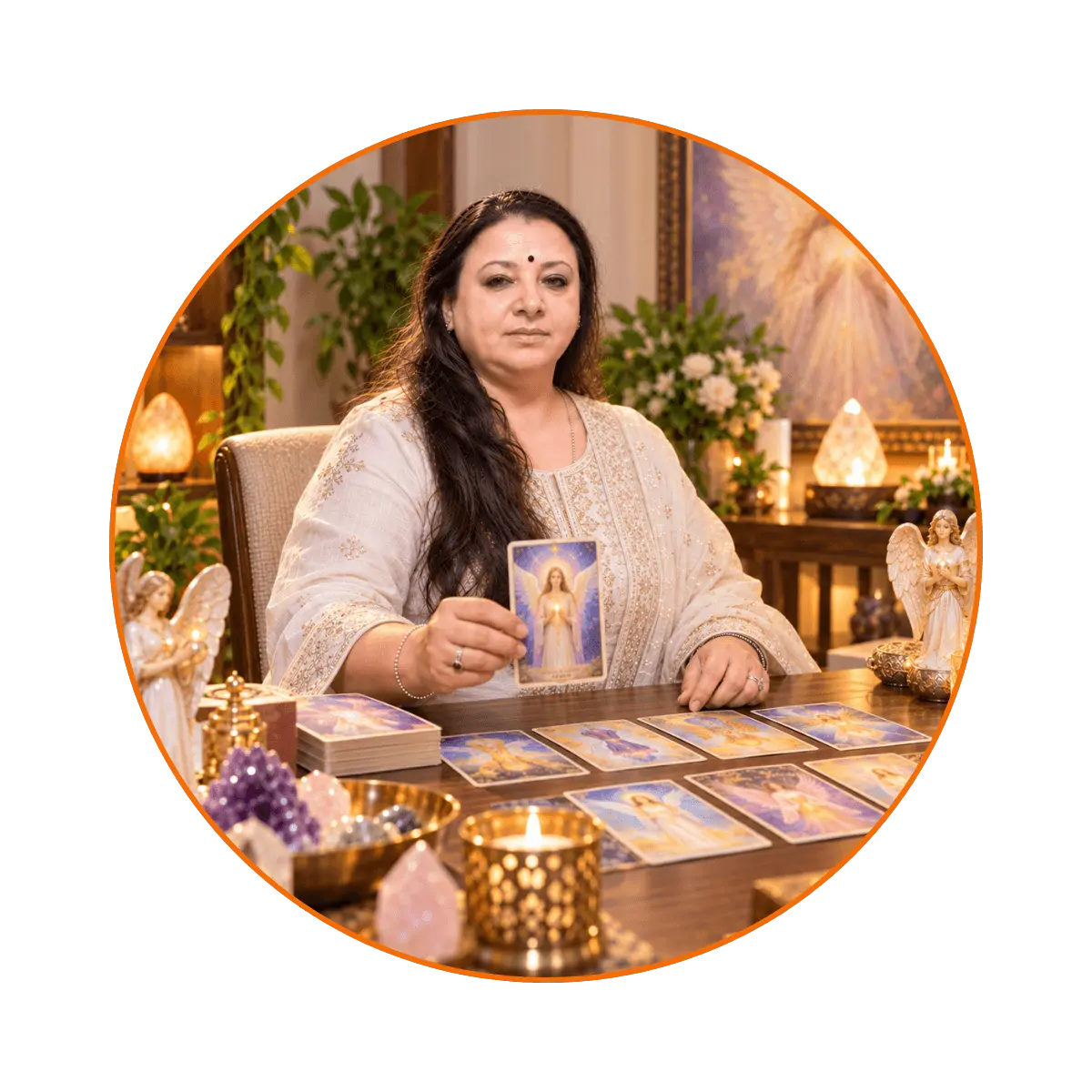
The Angel Therapy Course can introduce angel cards as a symbolic reading tool.
Angel cards usually contain images, words or messages that readers use for reflection. Students learn how to prepare for a card reading, ask a focused question, select cards and consider the message in relation to the subject.
A card can be interpreted through its written message, imagery and the context of the question.
Students should avoid treating a card as a guaranteed prediction. Instead, it can be used as a prompt for reflection and personal thought.
Developing Intuition
The Angel Therapy Course may include exercises for developing intuitive awareness.
Intuition can be explored through quiet observation, journaling, meditation and noticing personal responses to symbols or situations.
Students can practise recording their first impressions before reading a card’s written meaning. Later, they can compare the initial impression with the traditional interpretation.
This type of exercise can help learners understand how their own thoughts and associations influence a spiritual reading.
Prayer and Intention
Prayer and intention are often included in angel-based spiritual practices. The Angel Therapy Course teaches students how these practices may be used as part of a personal session.
A student may begin by stating a clear intention or prayer before meditation. The intention can relate to peace, clarity, gratitude, personal reflection or another area of spiritual interest.
The course encourages students to approach prayer according to their own beliefs and personal tradition.
Guided Visualisation
The Angel Therapy Course can introduce guided visualisation as another meditation practice.
Students may be guided to imagine a peaceful setting, an angelic figure, a light or another symbolic image. The purpose is to support concentration and reflection.
Visualisation is a personal mental exercise. Different people may experience it differently, and there is no requirement to have a particular type of experience.
Asking Clear Questions
Clear questions can make spiritual reflection more useful. The Angel Therapy Course teaches students how to frame questions before using cards, meditation or symbolic practices.
Instead of asking several questions at once, students can focus on one subject.
Questions may relate to personal choices, relationships, work, learning, emotions or general spiritual reflection. The reading can then be considered in relation to that specific question.
Angel practices should not be used as a replacement for professional advice when a matter involves health, law, finance or other specialised areas.
Signs and Symbols
The Angel Therapy Course may discuss the way some spiritual practitioners interpret repeated numbers, dreams, feathers, images, words or other personal experiences as symbolic signs.
Students learn to record these experiences and consider their personal meaning.
It is important to keep such interpretations personal rather than assuming that every ordinary event has a supernatural explanation. Reflection should leave room for different possibilities and personal understanding.
Angel Meditation for Personal Practice
Regular meditation can help students become familiar with the exercises introduced in the Angel Therapy Course.
Learners can create a simple routine involving quiet time, breathing, prayer, visualisation or journaling. A short and consistent practice can be easier to maintain than a long session done occasionally.
Students can also keep a record of their experiences, questions and observations.
Reading for Others
The Angel Therapy Course can introduce basic guidelines for offering symbolic angel readings to other people.
Consent and privacy should be respected. Before starting, the reader should explain that the session is a spiritual or symbolic practice rather than professional counselling or medical treatment.
Readers should avoid making frightening statements or claiming certainty about serious personal matters. A respectful approach allows the other person to decide what meaning, if any, they take from the reading.
Creating a Comfortable Practice Space
The Angel Therapy Course can also cover preparation for personal or practice sessions.
A quiet and comfortable space can make meditation easier. Students may choose a simple arrangement with a chair, meditation cushion, journal, cards or other personal items.
There is no requirement for expensive equipment. The main focus is creating an environment where the learner can concentrate without unnecessary distractions.
Who Can Take This Course?
The Angel Therapy Course can be useful for:
- Beginners interested in angel practices
- Meditation learners
- Spiritual study students
- Angel card readers
- Tarot and oracle card practitioners
- Energy practice learners
- People interested in intuitive reflection
- Students who want regular spiritual exercises
No advanced spiritual or academic background is required for basic study.
Developing a Regular Practice
Regular practice is useful after learning the Angel Therapy Course. Students can set aside a few minutes for meditation, prayer, card reading or journaling.
A practice journal can include the date, question, meditation method, card selected and personal observations. Reviewing older entries can help learners notice recurring themes and understand their own interpretation style.
Students should remember that spiritual experiences are personal and may differ from one person to another.
Important Note
The Angel Therapy Course presents angel practices as spiritual and belief-based methods for meditation, reflection and symbolic guidance. Claims that angels can diagnose, treat or cure medical or psychological conditions are not scientifically established.
This course should not replace medical care, mental health support, legal advice, financial guidance or other professional services. Students should seek qualified professional help whenever appropriate.
Angel readings should also not be presented as guaranteed predictions or certain statements about another person’s future.
Why Choose the Angel Therapy Course?
The Angel Therapy Course provides a simple structure for studying angel symbolism, meditation, prayer, angel cards, visualisation and intuitive reflection.
Students can begin with basic meditation and symbolic practices before moving into more detailed exercises. The course also encourages responsible reading practices, privacy, consent and clear personal boundaries.
For learners interested in angel spirituality and related practices, the Angel Therapy Course offers a practical way to study the subject and develop a regular personal routine.
With continued practice, journaling and reflection, students can become more familiar with angel symbolism and different methods of spiritual study while keeping their interpretations personal and thoughtful.
Reviews
There are no reviews yet.