
The Access Bars Training Course is designed for learners who want to study the Access Bars practice and learn the basic method used during a Bars session. The course introduces the concept of the 32 points on the head, the traditional touch-based process and the steps involved in conducting a practice session.
The Access Bars Training Course can be suitable for beginners who have never studied Access Bars before, as well as learners who want to practise the method in a more organised way. Students can learn the basic theory, preparation, hand placement and session structure through practical study.
Access Bars is a complementary wellness practice associated with gentle touch on specific points of the head. It is often used by practitioners as a relaxation and personal wellness practice. This course focuses on learning the traditional technique rather than making medical claims.
What Is Access Bars?
The Access Bars Training Course begins with an introduction to Access Bars and the concept of the 32 Bars points.
In the Access Bars system, specific points on the head are traditionally associated with different areas of life and personal experience. Practitioners use gentle touch on these points during a session.
Students learn how the points are identified and how the hands are positioned during practice. The course also explains the importance of creating a comfortable setting before beginning a session.
What You Will Learn
The Access Bars Training Course can cover important areas such as:
- Introduction to Access Bars
- Understanding the 32 Bars points
- Basic principles of the practice
- Preparing for a Bars session
- Creating a comfortable practice environment
- Identifying head points
- Hand placement techniques
- Session structure
- Giving and receiving a session
- Communication with clients
- Practical touch exercises
- Session timing and organisation
- Personal Bars practice
- Practice with another person
- Basic professional boundaries
- Hygiene and comfort
- After-session discussion
The exact lessons and training format may vary depending on the course provider.
Understanding the 32 Bars Points
One of the main parts of the Access Bars Training Course is learning the 32 points located around the head.
These points are a central part of the Access Bars method. Students learn where the points are located and how they are traditionally used during a session.
Learning the locations correctly is important because the practice involves placing the fingers gently on specific areas of the head.
Students can use diagrams and repeated practice to become familiar with the point locations. Working slowly at first can help learners remember the positions without rushing through the session.
Preparing for an Access Bars Session
The Access Bars Training Course teaches students how to prepare before beginning a session.
A comfortable and quiet setting can help the person receiving the session relax. The practitioner can prepare a suitable chair, table or other comfortable arrangement depending on the practice setup.
Students also learn the importance of explaining the process before beginning. The person receiving the session should understand what will happen and agree to the touch involved.
Clean hands, suitable surroundings and clear communication are also important parts of responsible practice.
Hand Placement and Touch
The Access Bars Training Course focuses on gentle hand placement rather than strong pressure.
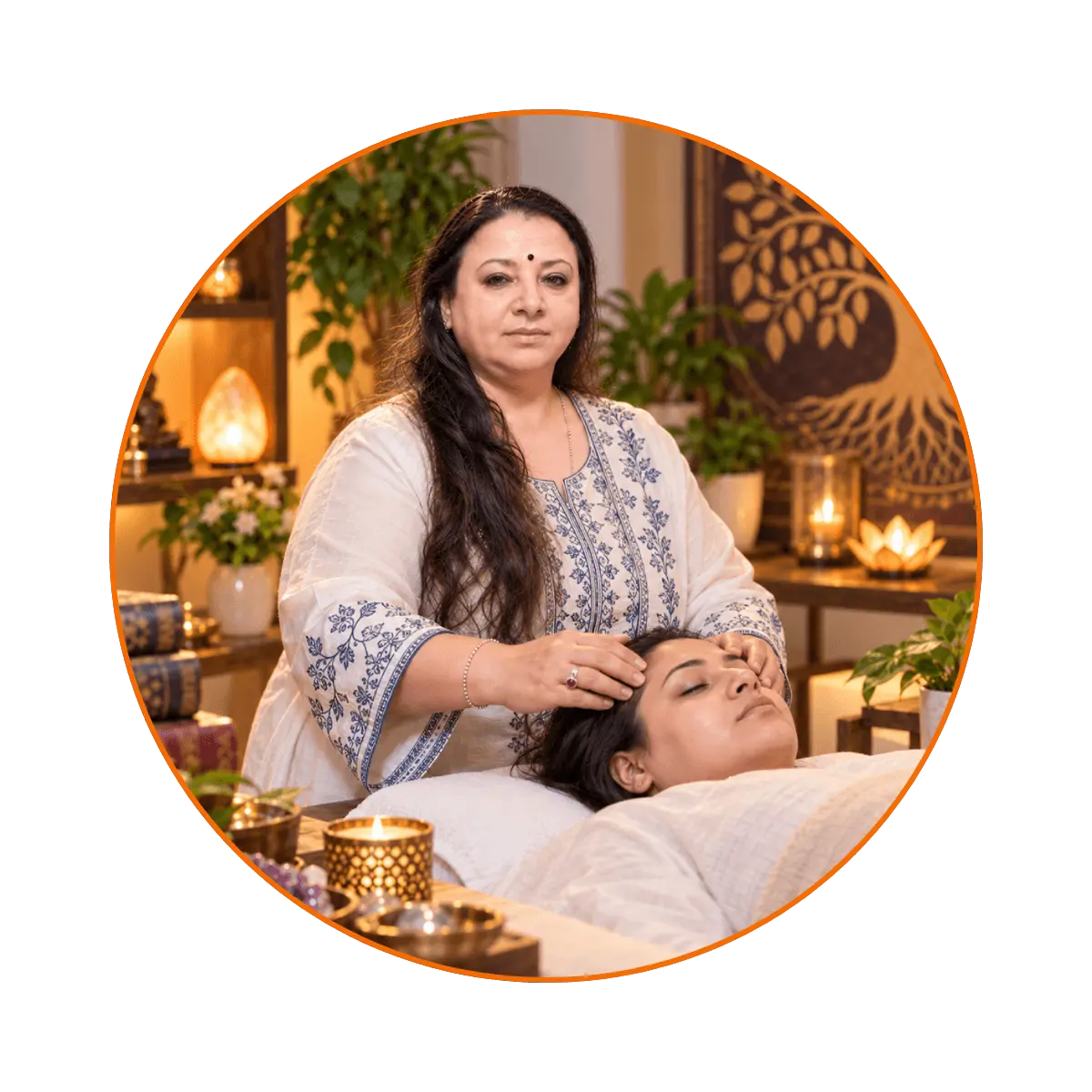
Students learn where to place their fingers and how to maintain a comfortable touch. The technique is generally practised with light contact on the head.
Learners can first practise the hand positions without conducting a complete session. This allows them to become familiar with the locations of the points and the basic sequence.
The comfort of the person receiving the session should always be respected. If a person feels uncomfortable with a particular position or touch, the practitioner should stop or adjust the practice.
Giving and Receiving a Session
Practical experience is an important part of the Access Bars Training Course.
Students can learn by both giving and receiving sessions. Receiving a session allows learners to understand how the process feels from the other person’s perspective, while giving a session provides hands-on experience with the technique.
Practice should be carried out in a calm and respectful environment.
Learners can begin with guidance and gradually become more familiar with the full session sequence.
Session Structure
The Access Bars Training Course teaches students how a session can be organised from beginning to end.
A basic session may include:
- Preparing the practice space.
- Explaining the process.
- Confirming consent.
- Helping the person become comfortable.
- Beginning the hand placements.
- Moving through the required points.
- Maintaining gentle and steady touch.
- Completing the session.
- Allowing the person time to sit comfortably.
- Discussing the experience if they wish to share.
Following a consistent structure can make practice easier for beginners.
Communication During a Session
Good communication is an important part of the Access Bars Training Course.
Before starting, practitioners should explain the type of touch involved and answer reasonable questions. They should also ask whether the person is comfortable throughout the process.
Not everyone has the same preferences regarding touch. Some people may want the practitioner to avoid certain areas or may decide not to continue.
Students learn that consent and comfort should remain important throughout the session.
Personal Practice
The Access Bars Training Course can also introduce personal practice and the traditional use of Bars for self-care.
Students may practise becoming familiar with the points and observing their own experience. Keeping notes can help learners remember the sequence and identify areas where more practice is needed.
As with any hands-on technique, regular practice can help improve familiarity with the method.
Practical Training Exercises
Hands-on exercises form an important part of the Access Bars Training Course.
Students can practise:
- Identifying the 32 points
- Correct finger placement
- Maintaining gentle touch
- Moving between points
- Following a session sequence
- Communicating before and during practice
- Creating a comfortable setup
- Giving a complete practice session
- Receiving a practice session
Repeating these exercises can help learners become more comfortable with the technique.
Working With Others
The Access Bars Training Course can be useful for people who want to practise the method with family members, friends or other consenting adults.
Students should clearly explain that Access Bars is a complementary wellness practice and should not be presented as a replacement for medical treatment.
When practising with others, learners should respect privacy and personal boundaries. Any personal information shared during a session should be treated respectfully.
Who Can Take This Course?
The Access Bars Training Course can be suitable for:
- Beginners interested in Access Bars
- Wellness practitioners
- Complementary practice learners
- Spiritual practice students
- People interested in relaxation techniques
- Existing Access Bars learners
- Anyone wanting structured practical training
No advanced medical or technical background is required to understand the basic concepts of the practice.
Developing Your Practice
Regular practice is useful after completing the Access Bars Training Course. Students can practise identifying the points and following the session sequence until they become familiar with the process.
It can also help to maintain a simple practice record. Learners can note which points they practised, what parts of the session felt easy and which areas require more attention.
Practising slowly and carefully is generally more useful than trying to memorise everything at once.
Important Note
The Access Bars Training Course teaches Access Bars as a complementary wellness and touch-based practice. Claims that Access Bars can diagnose, treat or cure medical or psychological conditions are not scientifically established.
This course should not be used as a replacement for medical care, mental health treatment or professional healthcare advice. People with health concerns should consult an appropriately qualified healthcare professional.
Hands-on practice should always be carried out with clear consent, appropriate boundaries and respect for personal comfort.
Why Choose the Access Bars Training Course?
The Access Bars Training Course provides a practical introduction to the 32 Bars points, basic hand placement, session preparation and hands-on practice.
Students can learn the process step by step, starting with point identification and gradually moving into complete sessions. The course also gives attention to communication, consent, comfort and responsible practice.
For learners interested in Access Bars as a complementary wellness method, the Access Bars Training Course offers a structured way to study the basic technique and develop practical familiarity through regular practice.



Reviews
There are no reviews yet.