
Mahavidya sadhana

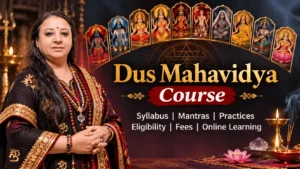
Instructor presenting the Dus Mahavidya course with illustrations of the Dus Mahavidyas
Dus Mahavidya

Dus Mahavidya Course: Learn About the Dus Mahavidyas, Their Mantras and Sadhana

Dus Mahavidya Course: Learn About the Dus Mahavidyas, Their Mantras and Sadhana Have you ever wondered why Hindu traditions describe ten forms of divine feminine wisdom? Each Mahavidya represents a distinct understanding of life, knowledge, and spiritual practice. The Dus Mahavidya tradition explores these ten forms through stories, symbolism, mantras, and worship. For anyone interested in Shakti traditions, learning about them can be meaningful. A Dus Mahavidya course offers structured guidance about these ten forms. It helps students understand their individual significance and traditional practices. But what exactly does such a course teach? Who can join, and what should beginners know before enrolling? Let’s understand everything before choosing a suitable learning program. What Is the Dus Mahavidya Course? Dus Mahavidya means ten great wisdom traditions associated with the Divine Mother. These ten forms represent different aspects of Shakti in Hindu spiritual traditions. The teachings connect mythology, philosophy, meditation, mantra, and traditional worship. Each Mahavidya has distinct characteristics, symbolism, and spiritual associations. A structured course introduces students to these concepts systematically. Depending on the instructor, practical training may also form part of learning. Some programs concentrate on theoretical knowledge and deity identification. Others include mantra chanting, yantra practices, and guided sadhana. Therefore, checking the actual syllabus is important before enrolling. Who Are the Ten Mahavidyas? Understanding all ten Mahavidyas forms the foundation of this learning journey. Each goddess has a distinct identity and traditional significance. A good course should explain their individual differences clearly. Students should understand their stories, symbols, and traditional worship methods. What Will You Learn in a Dus Mahavidya Course? Course structures differ between teachers and spiritual learning institutions. However, several important subjects deserve attention during enrollment. 1. Introduction to Mahavidya Philosophy Students explore the origin and meaning of the ten Mahavidyas. Lessons explain their relationship with Shakti and different Tantric traditions. 2. Mantra Knowledge and Pronunciation Mantras form an important part of many Mahavidya practices. Students may learn pronunciation, chanting methods, and traditional meanings. Check whether the instructor explains mantra eligibility and initiation requirements. Not every traditional mantra is taught without specific guidance. 3. Yantra Understanding Yantras represent particular deities through traditional geometric arrangements. Students may study their symbolism, structure, and worship procedures. Some advanced programs also include yantra drawing and ritual preparation. Check whether practical instruction is included in your chosen syllabus. 4. Traditional Worship Methods Students may learn about offerings, worship materials, and daily rituals. Instruction should explain the differences between individual deity traditions. 5. Sadhana and Meditation Some courses introduce meditation and structured daily spiritual practices. Others provide guided sessions for specific Mahavidyas. Always understand the recommended practice before starting independently. Can Beginners Join a Dus Mahavidya Course? Yes, many introductory programs accept students without previous experience. However, eligibility depends on the instructor and teaching tradition. Beginners should first understand basic concepts and worship terminology. They should also learn about the ten goddesses individually. Advanced mantra practices may have additional eligibility requirements. Some traditions require diksha or guidance from an authorized guru. Therefore, ask about prerequisites before selecting a program. A beginner-friendly syllabus should explain everything without assuming previous knowledge. Is Diksha Necessary for Learning the Ten Mahavidyas? This is an important question among prospective students. The answer depends on the specific practice and teaching tradition. General knowledge about Mahavidyas does not automatically require initiation. However, certain mantra and Tantric practices may require diksha. Different teachers follow different traditional approaches and eligibility guidelines. Students should never assume every practice is suitable independently. Ask the instructor about initiation before joining advanced training. Clear guidance helps students understand their responsibilities and limitations. Online or Offline: Which Course Should You Choose? Today, students can find different Mahavidya learning formats. These include live online classes, recorded lessons, and in-person workshops. Online classes provide flexibility for students living outside major cities. Live sessions also allow direct interaction with instructors. Offline programs may offer more opportunities for practical demonstrations. However, travel, accommodation, and scheduling require additional planning. Choose according to your learning needs and available time. Always check whether recordings and study materials are provided. How Much Does a Dus Mahavidya Course Cost? There is no fixed fee across all institutions. Pricing depends on the instructor, duration, and included learning materials. Some introductory programs offer affordable recorded lessons. Comprehensive live workshops generally involve higher enrollment fees. Certain programs also include initiation, personal guidance, or additional training. Compare the syllabus rather than choosing through price alone. Before payment, confirm these important details: A completion certificate does not automatically establish traditional authority. Check what the certificate represents before considering professional applications. How Much Daily Time Should You Give? Daily practice requirements depend on the particular course. Some introductory lessons require little additional study time. Structured meditation or chanting may require regular dedicated sessions. Certain traditional practices involve more detailed preparation and instructions. Ask the teacher about realistic daily commitments before enrolling. This helps you balance learning with personal responsibilities. Frequently Asked Questions About the Dus Mahavidya Course 1. Can I learn all ten Mahavidyas together? Yes, introductory courses commonly cover all ten Mahavidyas. Advanced practices may require separate training or initiation. 2. Can married people join the course? Many introductory programs welcome household practitioners. However, specific traditional practices may have individual eligibility requirements. 3. Is Sanskrit knowledge compulsory? No, Sanskrit knowledge is not always necessary. Good instructors explain terminology and mantra pronunciation during lessons. 4. Can I learn the Dus Mahavidya course online? Yes, several institutions offer online learning opportunities. Check live interaction, recordings, teaching materials, and practical guidance. 5. Will I receive a certificate after completing training? Some institutions provide course completion certificates. Confirm their availability and conditions before registration. 6. Are all ten Mahavidyas worshipped in the same way? No, their traditional worship methods can differ considerably. Mantras, offerings, rituals, and eligibility requirements may vary. 7. Can beginners practise Mahavidya mantras independently? Beginners should avoid experimenting with advanced mantra practices. Follow appropriate instructions from a knowledgeable and qualified teacher. 8. How do I select the right Mahavidya course? Compare

Dus Mahavidya Course: Learn About the Dus Mahavidyas, Their Mantras and Sadhana Read Post »

Dus Mahavidya course in Pune featuring the ten Hindu wisdom goddesses.
Spiritual sadhana

Dus Mahavidya Course in Pune – Complete Guide to the Ten Wisdom Goddesses

The Dus mahavidy course in Pune is designed for spiritual seekers who wish to learn about the ten Mahavidyas, understand their traditional significance, and explore mantra, meditation, devotion, and spiritual sadhana under structured guidance. At Gitu Divine Touch Healing Academy, Pune, you can explore the spiritual teachings of the Dus Mahavidya through Hindi and English prerecorded learning materials and live attunements, as offered in the academy’s course format. The course is intended for learners interested in Hindu spiritual traditions, Shakti worship, mantra practices, and personal spiritual development. This guide explains the meaning of Dus Mahavidya, the ten goddesses, their traditional symbolism, potential spiritual benefits, learning considerations, and how to explore Dus Mahavidya training in Pune or online. 1. What is Dus Mahavidya? The word Dus Mahavidya comes from Sanskrit: Dus means ten, and Mahavidya refers to great wisdom or profound knowledge. The Dus Mahavidyas are a group of ten forms of the Divine Mother worshipped in Shakta and Tantric Hindu traditions. Each goddess has distinctive symbolism, stories, spiritual associations, and forms of worship. The Ten Mahavidyas In traditional spiritual understanding, these ten goddesses represent different dimensions of divine power, consciousness, transformation, knowledge, discipline, compassion, and liberation. The Dus Mahavidya course introduces students to these traditions through structured learning. Rather than approaching the goddesses only as images for worship, students can explore their meanings, traditional mantras, symbolism, meditation, and devotional practices. A simple definition The Dus Mahavidyas are ten revered manifestations of the Divine Feminine in Hindu Shakta traditions. Studying them involves learning about their mythology, iconography, spiritual symbolism, and traditional worship practices. Why are people interested in the Dus Mahavidya course? People explore this subject for different reasons: The course should be approached with respect for the tradition. Mantra initiation and specialized Tantric rituals may have specific requirements, so students should follow the instructions of a suitably qualified teacher. 2. The ten Mahavidyas and their spiritual significance 1. Maa Kali — Transformation and time Maa Kali is associated with time, transformation, the destruction of ignorance, and freedom from limiting attachments. Her powerful imagery reminds devotees of the temporary nature of worldly existence. Learning focus: Traditional worship, symbolism, devotion, and contemplative practices. 2. Maa Tara — Guidance and compassion Maa Tara is traditionally associated with guidance, protection, wisdom, and helping devotees cross difficulties. Learning focus: Her mythology, mantra traditions, and devotional significance. 3. Maa Tripura Sundari — Beauty and harmony Also known in relevant traditions as Shodashi or connected with Lalita, she represents divine beauty, auspiciousness, and the harmony of consciousness. Learning focus: Traditional symbolism, Sri Vidya context, and devotional principles. 4. Maa Bhuvaneshwari — The cosmic universe Maa Bhuvaneshwari is associated with the universe, space, and the Divine Mother as the encompassing power of existence. Learning focus: Her attributes, traditional worship, and contemplative symbolism. 5. Maa Bhairavi — Discipline and spiritual intensity Maa Bhairavi is associated with spiritual discipline, inner strength, and the intensity required for dedicated sadhana. Learning focus: Devotional discipline, concentration, and traditional iconography. 6. Maa Chinnamasta — Sacrifice and transformation Chinnamasta’s striking imagery has been interpreted in relation to self-sacrifice, life force, and the transformation of ordinary identification. Learning focus: Understanding the symbolism respectfully and studying traditional interpretations. 7. Maa Dhumavati — Impermanence and detachment Maa Dhumavati is associated with the realities of loss, solitude, impermanence, and wisdom that can emerge from difficult experiences. Learning focus: Contemplation, detachment, and the deeper meaning of her traditional imagery. 8. Maa Bagalamukhi — Stillness and restraint Maa Bagalamukhi is traditionally associated with stilling or restraining harmful forces, speech, and disruptive activity. Learning focus: Her iconography, traditional mantra worship, and the importance of disciplined intentions. 9. Maa Matangi — Knowledge and expression Maa Matangi is associated with knowledge, speech, music, artistic expression, and forms of wisdom. Learning focus: Traditional worship, symbolism, and the relationship between knowledge and expression. 10. Maa Kamala — Auspiciousness and abundance Maa Kamala is associated with the lotus, auspiciousness, prosperity, and spiritual abundance. She is often understood in relation to Lakshmi traditions. Learning focus: Devotion, traditional symbolism, gratitude, and household worship. The order and interpretation of individual Mahavidyas can vary across texts and lineages. These descriptions are introductory explanations, not a substitute for lineage-specific instruction. 3. What will you learn in a Dus Mahavidya course? A well-structured course can help students move from basic understanding to informed practice. The published course page for Gitu Divine Touch describes a ten-day live online workshop with study notes, ten laminated goddess photographs, and a digital completion certificate. Its listed syllabus covers the ten goddesses, mantra pronunciation, traditional worship procedures, altar arrangements, and household sadhana guidance. Confirm the current batch format before enrolling. Gitu Divine Touch Suggested learning modules Module Topics Introduction Meaning of Mahavidya, Shakti worship, and the ten goddesses Goddess studies Mythology, iconography, attributes, and symbolism Mantra learning Traditional mantra context and pronunciation guidance Worship practices Altar preparation, devotional discipline, and offerings Sadhana preparation Personal intention, regularity, respect, and appropriate guidance Practical application Establishing a manageable daily devotional routine Revision Reviewing the ten goddesses and clarifying questions This table is a learning overview; the teacher’s actual curriculum and initiation requirements should determine the practices taught in each session. 4. Benefits of learning Dus Mahavidya The benefits depend on a student’s intentions, learning approach, and personal relationship with the tradition. Spiritual benefits described below reflect traditional beliefs and personal practice, not guaranteed supernatural outcomes. Spiritual benefits Personal and reflective benefits A regular study routine can provide time for reflection, self-observation, and clarifying personal values. For example, someone studying Maa Dhumavati might reflect on how they respond to uncertainty or change. A student learning about Maa Matangi might use the study as an opportunity to develop disciplined learning, writing, or creative expression. These are reflective applications of spiritual symbolism, not promises that worship will produce a particular result. Benefits for existing spiritual practitioners People who already study Reiki, meditation, astrology, mantra, or other spiritual subjects may find the course useful for broadening their understanding of Hindu goddess traditions. However, the

Dus Mahavidya Course in Pune – Complete Guide to the Ten Wisdom Goddesses Read Post »

Ut elit tellus, luctus nec ullamcorper mattis, pulvinar dapibus leo.

Work Hours

Oh to talking improve produce in limited offices fifteen an. Wicket branch to answer do we.

© 2026 All right reserved – Gitu Divine Touch Healing Academy | Designed by PREPelite.IN