Spiritual sadhana

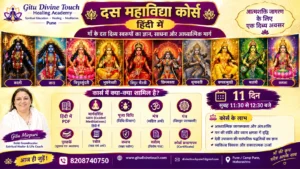
दस महाविद्या कोर्स हिंदी में, दस देवियों के चित्र, मंत्र, यंत्र, स्तोत्र और कवच
Spiritual sadhana, Uncategorized

Dasa Mahavidya Course in Hindi – Mantra, Yantra & Stotra

दस महाविद्या कोर्स हिंदी में: दस महाविद्याओं के नाम, मंत्र, यंत्र, स्तोत्र, कवच और साधना का संपूर्ण परिचय दस महाविद्या कोर्स हिंदी में उन विद्यार्थियों और आध्यात्मिक साधकों के लिए एक अध्ययन कार्यक्रम है जो माँ आदिशक्ति के दस महाविद्या स्वरूपों के बारे में व्यवस्थित तरीके से सीखना चाहते हैं। इस कोर्स में दस महाविद्याओं के नाम, उनके स्वरूप, धार्मिक महत्त्व, चित्र, यंत्र, पारंपरिक मंत्र, पुस्तकें, स्तोत्र, कवच और स्तोत्रम् से संबंधित अध्ययन सामग्री को हिंदी में समझने का अवसर मिलता है। Gitu Divine Touch Healing Academy, Pune के माध्यम से विद्यार्थी दस महाविद्याओं की परंपरा, उनके प्रतीकों और उनसे जुड़ी साधना-पद्धतियों का अध्ययन कर सकते हैं। यह पाठ्यक्रम उन लोगों के लिए उपयोगी हो सकता है जो तंत्र, शक्ति उपासना, भारतीय आध्यात्मिक परंपराओं और देवी साधना के विषय में अपनी जानकारी बढ़ाना चाहते हैं। दस महाविद्या क्या हैं? दस महाविद्याएँ Dus Mahavidya course हिंदू शक्ति उपासना की एक महत्त्वपूर्ण परंपरा में पूजित देवी के दस दिव्य स्वरूप हैं। संस्कृत में ‘दस’ का अर्थ दस और ‘महाविद्या’ का अर्थ महान आध्यात्मिक ज्ञान या महान विद्या है। इन दस स्वरूपों को आदिशक्ति की विविध अभिव्यक्तियों के रूप में समझा जाता है। प्रत्येक देवी का अपना विशिष्ट स्वरूप, प्रतीकात्मक अर्थ, पूजा-पद्धति और धार्मिक साहित्य है। परंपरागत रूप से दस महाविद्याओं के नाम इस प्रकार हैं: इनके स्वरूपों का अध्ययन केवल नाम याद करने तक सीमित नहीं है। इसमें देवी के चित्र, आयुध, मुद्रा, वाहन, प्रतीक और उनसे संबंधित धार्मिक कथाओं का अध्ययन भी किया जा सकता है। दस महाविद्या कोर्स हिंदी में क्यों सीखें? दस महाविद्याओं से संबंधित साहित्य संस्कृत, हिंदी और अन्य भारतीय भाषाओं में उपलब्ध है। शुरुआती विद्यार्थियों के लिए संस्कृत के कठिन शब्दों, पारंपरिक मंत्रों और विभिन्न पूजा-पद्धतियों को समझना चुनौतीपूर्ण हो सकता है। हिंदी माध्यम का व्यवस्थित कोर्स इस विषय को क्रमबद्ध तरीके से समझने में सहायता कर सकता है। इस कोर्स में विद्यार्थी निम्न विषयों का अध्ययन कर सकते हैं: महत्त्वपूर्ण: प्रत्येक देवी की साधना के अलग नियम हो सकते हैं। कुछ मंत्रों और तांत्रिक विधियों के लिए परंपरा के अनुसार योग्य गुरु का मार्गदर्शन आवश्यक माना जाता है। दस महाविद्याओं का परिचय 1. माँ काली माँ काली को शक्ति, काल और परिवर्तन से संबंधित देवी के रूप में पूजा जाता है। उनका स्वरूप समय की शक्ति, अहंकार के अतिक्रमण और अज्ञान के विनाश का प्रतीक माना जाता है। माँ काली के अध्ययन में उनके पारंपरिक चित्र, प्रतीक, पूजा साहित्य, स्तोत्र और विभिन्न उपासना परंपराओं का परिचय शामिल किया जा सकता है। 2. माँ तारा माँ तारा को अनेक शक्ति उपासना परंपराओं में मार्गदर्शन, संरक्षण और संकट से पार लगाने वाली देवी के रूप में समझा जाता है। उनके स्वरूप, धार्मिक कथाओं, मंत्र साहित्य और पारंपरिक उपासना के विषयों का अध्ययन इस पाठ्यक्रम का हिस्सा हो सकता है। 3. माँ त्रिपुरसुंदरी माँ त्रिपुरसुंदरी को सौंदर्य, चेतना और श्रीविद्या परंपरा से संबंधित देवी के रूप में जाना जाता है। इस परंपरा में श्रीचक्र का विशेष महत्त्व है। इस विषय में देवी के स्वरूप, श्रीचक्र का परिचय, संबंधित धार्मिक साहित्य और उपासना की पारंपरिक अवधारणाओं का अध्ययन किया जा सकता है। 4. माँ भुवनेश्वरी माँ भुवनेश्वरी को ब्रह्मांड और व्यापक चेतना से संबंधित देवी माना जाता है। उनके स्वरूप का अध्ययन शक्ति परंपरा की ब्रह्मांड संबंधी अवधारणाओं को समझने में सहायता करता है। विद्यार्थी उनके चित्र, प्रतीक, पारंपरिक मंत्र साहित्य और स्तोत्रों का परिचय प्राप्त कर सकते हैं। 5. माँ त्रिपुर भैरवी माँ त्रिपुर भैरवी को शक्ति, तपस्या और आध्यात्मिक अनुशासन से संबंधित देवी के रूप में पूजा जाता है। उनके स्वरूप, पारंपरिक पूजा-पद्धति और उनसे संबंधित साहित्य का अध्ययन करते समय विभिन्न परंपराओं में मिलने वाले अंतर को समझना उपयोगी है। 6. माँ छिन्नमस्ता माँ छिन्नमस्ता का स्वरूप अत्यंत विशिष्ट और प्रतीकात्मक है। उनकी प्रतिमा में त्याग, शक्ति और जीवन की गहन आध्यात्मिक अवधारणाओं से संबंधित प्रतीक दिखाई देते हैं। इस देवी के अध्ययन में उनके चित्र का प्रतीकात्मक अर्थ, धार्मिक कथाएँ और पारंपरिक साहित्य शामिल किया जा सकता है। 7. माँ धूमावती माँ धूमावती दस महाविद्याओं में एक विशिष्ट स्वरूप हैं। उनकी उपासना से संबंधित परंपराएँ जीवन की अस्थिरता, वैराग्य और कठिन अनुभवों पर आध्यात्मिक चिंतन जैसे विषयों से जुड़ी हैं। उनके स्वरूप, धार्मिक साहित्य और उपासना की परंपराओं को समझने के लिए व्यवस्थित अध्ययन और योग्य मार्गदर्शन उपयोगी हो सकता है। 8. माँ बगलामुखी माँ बगलामुखी को शक्ति उपासना में विशेष स्थान प्राप्त है। उनकी पूजा से संबंधित परंपराओं में वाणी, नियंत्रण और विरोधी शक्तियों के स्तंभन की अवधारणा मिलती है। इस विषय में देवी का चित्र, पीतांबरा स्वरूप, संबंधित यंत्र, पारंपरिक मंत्र साहित्य और स्तोत्रों का अध्ययन किया जा सकता है। किसी मंत्र के परिणामों को निश्चित या गारंटीकृत मानने के बजाय उसे धार्मिक परंपरा के संदर्भ में समझना चाहिए। 9. माँ मातंगी माँ मातंगी को वाणी, संगीत, कला और ज्ञान से संबंधित देवी के रूप में समझा जाता है। उनका स्वरूप साधक को अभिव्यक्ति और विद्या की आध्यात्मिक अवधारणाओं से परिचित कराता है। उनके स्वरूप, चित्र, प्रतीक और पारंपरिक स्तोत्रों का अध्ययन इस कोर्स का उपयोगी भाग हो सकता है। 10. माँ कमला माँ कमला दस महाविद्याओं में देवी के एक ऐसे स्वरूप के रूप में पूजित हैं जो कमल, सौंदर्य, समृद्धि और शुभता से संबंधित हैं। उनके स्वरूप का अध्ययन देवी उपासना में समृद्धि, कृतज्ञता और आध्यात्मिक मूल्यों की पारंपरिक अवधारणाओं को समझने में सहायता कर सकता है। दस महाविद्या कोर्स में मंत्रों का अध्ययन मंत्र देवी उपासना की विभिन्न परंपराओं का महत्त्वपूर्ण हिस्सा हैं। किसी मंत्र को सीखते समय उसके सही पाठ, उच्चारण, अर्थ, उपयोग और परंपरागत नियमों को समझना आवश्यक है। दस महाविद्या कोर्स में संबंधित देवी मंत्रों का परिचय दिया जा सकता है। मंत्रों के अलग-अलग पाठ विभिन्न ग्रंथों और परंपराओं में मिल सकते हैं। विद्यार्थियों को ध्यान देना चाहिए कि हर मंत्र सार्वजनिक रूप से उपलब्ध हो, यह आवश्यक नहीं है। कुछ मंत्रों के लिए दीक्षा या गुरु के मार्गदर्शन की परंपरा है। यंत्र क्या है और दस महाविद्याओं में इसका क्या महत्त्व है? यंत्र एक पारंपरिक ज्यामितीय या प्रतीकात्मक रचना है जिसका उपयोग विभिन्न हिंदू उपासना परंपराओं में किया जाता है। इसमें त्रिकोण, वृत्त, कमल की पंखुड़ियाँ, रेखाएँ और अन्य ज्यामितीय आकृतियाँ हो सकती हैं। दस महाविद्याओं

Dasa Mahavidya Course in Hindi – Mantra, Yantra & Stotra Read Post »

Dus Mahavidya course in Pune featuring the ten Hindu wisdom goddesses.
Spiritual sadhana

Dus Mahavidya Course in Pune – Complete Guide to the Ten Wisdom Goddesses

The Dus mahavidy course in Pune is designed for spiritual seekers who wish to learn about the ten Mahavidyas, understand their traditional significance, and explore mantra, meditation, devotion, and spiritual sadhana under structured guidance. At Gitu Divine Touch Healing Academy, Pune, you can explore the spiritual teachings of the Dus Mahavidya through Hindi and English prerecorded learning materials and live attunements, as offered in the academy’s course format. The course is intended for learners interested in Hindu spiritual traditions, Shakti worship, mantra practices, and personal spiritual development. This guide explains the meaning of Dus Mahavidya, the ten goddesses, their traditional symbolism, potential spiritual benefits, learning considerations, and how to explore Dus Mahavidya training in Pune or online. 1. What is Dus Mahavidya? The word Dus Mahavidya comes from Sanskrit: Dus means ten, and Mahavidya refers to great wisdom or profound knowledge. The Dus Mahavidyas are a group of ten forms of the Divine Mother worshipped in Shakta and Tantric Hindu traditions. Each goddess has distinctive symbolism, stories, spiritual associations, and forms of worship. The Ten Mahavidyas In traditional spiritual understanding, these ten goddesses represent different dimensions of divine power, consciousness, transformation, knowledge, discipline, compassion, and liberation. The Dus Mahavidya course introduces students to these traditions through structured learning. Rather than approaching the goddesses only as images for worship, students can explore their meanings, traditional mantras, symbolism, meditation, and devotional practices. A simple definition The Dus Mahavidyas are ten revered manifestations of the Divine Feminine in Hindu Shakta traditions. Studying them involves learning about their mythology, iconography, spiritual symbolism, and traditional worship practices. Why are people interested in the Dus Mahavidya course? People explore this subject for different reasons: The course should be approached with respect for the tradition. Mantra initiation and specialized Tantric rituals may have specific requirements, so students should follow the instructions of a suitably qualified teacher. 2. The ten Mahavidyas and their spiritual significance 1. Maa Kali — Transformation and time Maa Kali is associated with time, transformation, the destruction of ignorance, and freedom from limiting attachments. Her powerful imagery reminds devotees of the temporary nature of worldly existence. Learning focus: Traditional worship, symbolism, devotion, and contemplative practices. 2. Maa Tara — Guidance and compassion Maa Tara is traditionally associated with guidance, protection, wisdom, and helping devotees cross difficulties. Learning focus: Her mythology, mantra traditions, and devotional significance. 3. Maa Tripura Sundari — Beauty and harmony Also known in relevant traditions as Shodashi or connected with Lalita, she represents divine beauty, auspiciousness, and the harmony of consciousness. Learning focus: Traditional symbolism, Sri Vidya context, and devotional principles. 4. Maa Bhuvaneshwari — The cosmic universe Maa Bhuvaneshwari is associated with the universe, space, and the Divine Mother as the encompassing power of existence. Learning focus: Her attributes, traditional worship, and contemplative symbolism. 5. Maa Bhairavi — Discipline and spiritual intensity Maa Bhairavi is associated with spiritual discipline, inner strength, and the intensity required for dedicated sadhana. Learning focus: Devotional discipline, concentration, and traditional iconography. 6. Maa Chinnamasta — Sacrifice and transformation Chinnamasta’s striking imagery has been interpreted in relation to self-sacrifice, life force, and the transformation of ordinary identification. Learning focus: Understanding the symbolism respectfully and studying traditional interpretations. 7. Maa Dhumavati — Impermanence and detachment Maa Dhumavati is associated with the realities of loss, solitude, impermanence, and wisdom that can emerge from difficult experiences. Learning focus: Contemplation, detachment, and the deeper meaning of her traditional imagery. 8. Maa Bagalamukhi — Stillness and restraint Maa Bagalamukhi is traditionally associated with stilling or restraining harmful forces, speech, and disruptive activity. Learning focus: Her iconography, traditional mantra worship, and the importance of disciplined intentions. 9. Maa Matangi — Knowledge and expression Maa Matangi is associated with knowledge, speech, music, artistic expression, and forms of wisdom. Learning focus: Traditional worship, symbolism, and the relationship between knowledge and expression. 10. Maa Kamala — Auspiciousness and abundance Maa Kamala is associated with the lotus, auspiciousness, prosperity, and spiritual abundance. She is often understood in relation to Lakshmi traditions. Learning focus: Devotion, traditional symbolism, gratitude, and household worship. The order and interpretation of individual Mahavidyas can vary across texts and lineages. These descriptions are introductory explanations, not a substitute for lineage-specific instruction. 3. What will you learn in a Dus Mahavidya course? A well-structured course can help students move from basic understanding to informed practice. The published course page for Gitu Divine Touch describes a ten-day live online workshop with study notes, ten laminated goddess photographs, and a digital completion certificate. Its listed syllabus covers the ten goddesses, mantra pronunciation, traditional worship procedures, altar arrangements, and household sadhana guidance. Confirm the current batch format before enrolling. Gitu Divine Touch Suggested learning modules Module Topics Introduction Meaning of Mahavidya, Shakti worship, and the ten goddesses Goddess studies Mythology, iconography, attributes, and symbolism Mantra learning Traditional mantra context and pronunciation guidance Worship practices Altar preparation, devotional discipline, and offerings Sadhana preparation Personal intention, regularity, respect, and appropriate guidance Practical application Establishing a manageable daily devotional routine Revision Reviewing the ten goddesses and clarifying questions This table is a learning overview; the teacher’s actual curriculum and initiation requirements should determine the practices taught in each session. 4. Benefits of learning Dus Mahavidya The benefits depend on a student’s intentions, learning approach, and personal relationship with the tradition. Spiritual benefits described below reflect traditional beliefs and personal practice, not guaranteed supernatural outcomes. Spiritual benefits Personal and reflective benefits A regular study routine can provide time for reflection, self-observation, and clarifying personal values. For example, someone studying Maa Dhumavati might reflect on how they respond to uncertainty or change. A student learning about Maa Matangi might use the study as an opportunity to develop disciplined learning, writing, or creative expression. These are reflective applications of spiritual symbolism, not promises that worship will produce a particular result. Benefits for existing spiritual practitioners People who already study Reiki, meditation, astrology, mantra, or other spiritual subjects may find the course useful for broadening their understanding of Hindu goddess traditions. However, the

Dus Mahavidya Course in Pune – Complete Guide to the Ten Wisdom Goddesses Read Post »

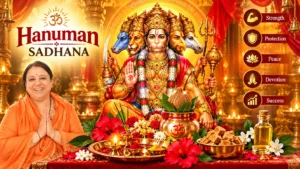
Hanuman Sadhana Online Course by Gitu Divine Touch – Learn Hanuman Sadhna, Mantra, Meditation and Spiritual Practices
Hanumana Sadhana, Spiritual sadhana

Hanuman Sadhana Online Course – Learn Veer Hanuman Sadhana with Guidance

There are times in life when people feel they need more than ordinary motivation. They may be facing uncertainty, fear, repeated obstacles, lack of confidence, emotional pressure, or simply a desire to develop a stronger spiritual connection. For many devotees, the answer begins with devotion to Lord Hanuman. Hanuman Sadhana is a disciplined spiritual practice associated with devotion, courage, strength, determination, protection, humility and unwavering faith. Rather than treating sadhana as a quick solution to every problem, sincere practitioners approach it as a process of transforming their own thoughts, habits, discipline and spiritual awareness. That is why a structured Hanuman Sadhana online course can be valuable for someone who wants to learn properly instead of trying random mantras and rituals from different sources. An online course can provide a systematic learning experience, helping students understand the significance of Lord Hanuman, the purpose of different practices, mantra chanting, devotional discipline and the right mindset for spiritual practice. If you have been searching for Veer Hanuman sadhana online, the most important thing is not simply finding a list of mantras. You want authentic guidance, a clear method and a learning experience that you can actually follow consistently. What Makes a Hanuman Sadhana Online Course Special? Spiritual practice becomes much more meaningful when you understand why you are doing it, rather than simply repeating instructions. A well-designed Hanuman Sadhana course should bring together spiritual knowledge and practical guidance. It should help a student understand the symbolism and devotional importance of Hanuman while also explaining how to establish a regular personal practice. Lord Hanuman represents qualities that are deeply relevant to modern life: One of the beautiful aspects of Hanuman devotion is that strength is not presented as ego. Hanuman’s strength is traditionally connected with devotion to Shri Rama and service. That distinction can make the practice particularly meaningful. Imagine someone who has been feeling mentally scattered for months. They keep starting new spiritual practices but never continue them. Instead of searching for another complicated technique every week, they begin following one structured routine with consistency. Over time, the value may not simply be in completing a certain number of chants. The practice itself can encourage discipline, concentration and devotion. A Structured Learning Experience An online course can be particularly helpful because students can learn at their own pace while having a defined curriculum. Depending on the course design, students may learn about: The objective should be education and spiritual development—not unrealistic promises of instant wealth, guaranteed miracles or guaranteed results. That honesty is one of the things that helps students trust a spiritual course. Why Many People Prefer to Learn Hanuman Sadhana Online Learning spiritual practices online has changed how people access teachers and structured courses. Previously, a student might have had to travel considerable distances to find someone teaching a particular practice. Today, an online course can make learning accessible from home. 1. Learn From Your Own Space You can study from your home, meditation room or any quiet environment where you feel comfortable. For people with demanding work schedules or family responsibilities, this flexibility can make spiritual learning much easier. 2. Learn at Your Own Pace A physical workshop usually follows a fixed schedule. An online course can allow you to revisit lessons, repeat explanations and practise gradually. This is particularly useful for spiritual subjects because students often need time to absorb the meaning behind a practice. 3. Clear and Organized Learning Random internet searches can produce conflicting instructions. One website may recommend one mantra. Another may suggest a completely different procedure. A structured course gives you one learning pathway instead of forcing you to piece together information from multiple sources. 4. Easy Access Once enrolled, students can access course material without repeatedly travelling to a physical location. This is one reason interest in Veer Hanuman sadhana online continues to appeal to people who want to study from home. 5. Convenient Revision Spiritual learning benefits from repetition. You may listen to the same lesson several times before feeling comfortable with the concepts. Online learning makes this much easier. Where to Buy the Best Hanuman Sadhana Online Course When purchasing a spiritual course, the first question should not be: “Which course is cheapest?” A better question is: “Who is teaching it, what exactly will I learn, and does the course provide genuine value?” If you are looking for Veer Hanuman sadhana online, consider purchasing directly from the teacher or organization’s official website whenever possible. An official course page should clearly explain: For a spiritual course, transparency is particularly important. Be cautious if a seller makes extraordinary promises such as guaranteed financial success, guaranteed removal of every problem or instant supernatural results. A genuine spiritual learning program should encourage responsible practice and personal development. Choose a Recognized Course Provider If you are purchasing from a spiritual education organization such as Gitu Divine Touch, examine the available course information carefully before enrolling. Look at the instructor’s experience, course structure, student feedback and the actual learning outcomes being offered. The goal is to purchase knowledge and guided learning, not simply a collection of downloadable files. How to Choose the Right Hanuman Sadhana Course There are many spiritual courses available online, so choosing the right one requires some thought. Here are practical factors to consider. 1. Check the Teacher’s Experience Look for information about the instructor. Ask: Experience doesn’t automatically make someone the right teacher, but transparency is a positive sign. 2. Examine the Course Curriculum Don’t purchase a course simply because its title sounds powerful. Look at what is actually included. A useful curriculum may cover: A detailed curriculum shows that the course has been planned rather than assembled randomly. 3. Look for Practical Guidance Spiritual knowledge is valuable, but students also need to understand how to apply it. A course should explain the practice in a way that a learner can realistically follow. 4. Check Course Access Before purchasing, confirm: These details can make a major difference to the learning experience. 5. Read

Hanuman Sadhana Online Course – Learn Veer Hanuman Sadhana with Guidance Read Post »

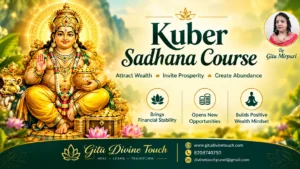
Kuber Sadhna Online Course by Gitu Divine Touch – Learn Kuber Sadhana for Wealth, Prosperity and Abundance
Kuber Sadhana, Spiritual sadhana

Kuber Sadhana: A Complete Guide to Choosing and learning the Right course

There is a point when earning more money stops being the only goal. People also want greater financial discipline, a peaceful home, confidence about the future, and a meaningful spiritual practice that keeps them grounded. That is one reason Kuber Sadhana continues to attract attention among people interested in traditional Hindu worship, prosperity practices, and devotional products associated with Lord Kubera. For some, it is part of a regular puja routine. For others, it is a symbolic reminder to treat wealth with respect, gratitude, and responsibility. Lord Kubera has a long history in South Asian religious and artistic traditions. Museum collections, including those of The Metropolitan Museum of Art, document Kubera as a deity associated with wealth, treasure, and the northern direction. The Metropolitan Museum of Art+1 The important thing, however, is knowing what you are actually buying. Whether you are looking for a Kuber yantra, idol, puja set, mantra-related material, or a more complete sadhana kit, quality and authenticity matter. A thoughtful purchase can make your devotional practice feel more personal and organized, while a rushed purchase can leave you wondering whether the product is genuine or suitable for your needs. This guide explains what to look for, where to buy, how to compare products, and which mistakes to avoid before placing your order. What Makes Kuber Sadhana Special? The appeal of Kuber Sadhana begins with the symbolism of Lord Kubera. In Hindu traditions, Kubera is widely associated with wealth and the protection of treasures. His presence in Indian and wider Asian religious art goes back many centuries. The Met, for example, preserves a sixth-century Indian sculpture identified as Kubera (Dhanada), while another work identifies Kubera as the Regent of the North. That history helps explain why Kubera-related spiritual products are more than ordinary decorative objects for many buyers. A Kuber product may become part of: The exact contents of a product depend on the seller and product category. Some products may focus on a sacred yantra or idol, while others may include accessories intended for a more complete puja routine. It has symbolic value beyond money One of the biggest misconceptions surrounding prosperity-oriented spiritual products is that they should be viewed as a shortcut to instant wealth. A more sensible approach is to see the practice as part of a broader personal routine. Someone beginning a Kuber-related sadhana might use the ritual as an opportunity to reflect on saving, responsible spending, generosity, work, and long-term financial goals. The spiritual practice does not replace practical financial decisions; instead, it can provide a sense of intention and discipline. That distinction is important when choosing a product. You should be cautious of sellers promising guaranteed wealth, guaranteed business success, or a specific financial return simply because you purchase a particular item. A trustworthy seller should be able to explain what the product is, what it contains, how it is intended to be used, and what the buyer can reasonably expect. T Easier price comparison A major advantage of online shopping is transparency. You can compare several listings before spending your money. A COURSE that appears inexpensive at first may have additional shipping charges, fewer accessories, or lower-quality construction. Another product may cost more but include a more complete set. The right question is therefore not simply, “Which one is cheapest?” Ask instead: “Which COURSE gives me the best combination of authenticity, quality, usefulness, reliability, and overall value?” Customer reviews can reveal useful details Product photographs only tell part of the story. Reviews may help you understand whether the item arrived safely, whether it matched the description, how carefully it was packaged, and whether the seller communicated properly. Look for detailed reviews rather than relying exclusively on star ratings. A short review saying “good product” is not as informative as one that explains the product’s size, finish, packaging, or overall quality. Home LEARNING is convenient For many buyers, convenience is the biggest reason to shop online. A spiritual product can be ordered from home and delivered directly to your doorstep. This is particularly helpful for buyers who want to prepare a puja space without making several trips to different shops. If you are searching specifically for Kuber sadhana online, take advantage of this convenience—but do not let convenience replace due diligence. Where to Buy the Best Kuber Sadhana The best place to buy a Kuber-related spiritual SADHANA is not necessarily the website offering the lowest price. Seller credibility should come first. When evaluating a listing, consider four main sources. 1. Established spiritual-product stores A specialist store may have better knowledge of devotional products and may provide more detailed information about the item’s intended use. Check whether the store clearly identifies: A professional-looking website alone is not proof of authenticity, so consider the full picture. 2. Official brand websites If you already have a particular brand in mind, purchasing through its official website can make it easier to verify product information, policies, and customer support. This is particularly useful when the product is branded or comes with specific manufacturing claims. 3. Established marketplaces Large marketplaces can provide extensive customer feedback and convenient purchasing options. They also make price comparison relatively easy. However, remember that marketplace listings may come from different sellers. Check the individual seller’s rating, return policy, product description, and reviews rather than assuming every listing on a marketplace is identical. 4. Authorized or reputable sellers If a product is being sold as certified, energized, handcrafted, consecrated, or made from a particular material, look for supporting information. Do not hesitate to contact the seller before purchasing if the description leaves important questions unanswered. A reliable seller should be comfortable explaining the product rather than pressuring you to buy immediately. How to Choose the Right Kuber Sadhana Product Choosing the right product becomes much easier when you first decide what role you want it to play. Are you looking for a devotional idol? A yantra for your puja space? A complete worship kit? A meaningful gift? Or simply an item that helps

Kuber Sadhana: A Complete Guide to Choosing and learning the Right course Read Post »

Navdurga and Seven Chakras – Spiritual Energy and Inner Balance
Spiritual sadhana, Uncategorized

Navdurga and Chakras

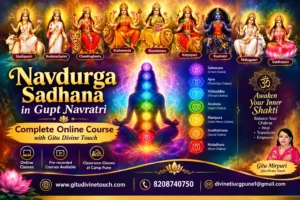
In Hinduism, the seven primary chakras are energy centers in the human body, each associated with specific qualities, elements, colors, and, in some traditions, Hindu deities or goddesses. These goddesses symbolize the divine feminine energy (Shakti) that activates and sustains each chakra. Below is an elaboration on how these chakras are linked to particular Hindu goddesses: 1. **Muladhara Chakra (Root Chakra)** – **Location**: Base of the spine – **Color**: Red – **Element**: Earth – **Goddess**: **Goddess Shailaputri** – **Details**: Shailaputri, a form of Goddess Parvati, is associated with the Muladhara Chakra. She represents stability, grounding, and the foundational energy of life. Just as the root chakra forms the foundation for the energy body, Shailaputri is considered the root form of Shakti, signifying the awakening of consciousness. 2. **Swadhisthana Chakra (Sacral Chakra)** – **Location**: Lower abdomen, about two inches below the navel – **Color**: Orange – **Element**: Water – **Goddess**: **Goddess Brahmacharini** – **Details**: Brahmacharini, another form of Goddess Parvati, is linked with the Swadhisthana Chakra. She embodies purity, devotion, and the power of transformation. This chakra governs emotions, creativity, and sexuality, and Brahmacharini’s energy helps to purify and channel these forces constructively. 3. **Manipura Chakra (Solar Plexus Chakra)** – **Location**: Above the navel, in the stomach area – **Color**: Yellow – **Element**: Fire – **Goddess**: **Goddess Chandraghanta** – **Details**: Chandraghanta is associated with the Manipura Chakra, symbolizing courage, power, and the ability to overcome fear. The solar plexus chakra is the center of personal power, self-esteem, and determination, and Chandraghanta’s energy activates these qualities, leading to greater self-confidence and the ability to manifest one’s desires. 4. **Anahata Chakra (Heart Chakra)** – **Location**: Center of the chest, near the heart – **Color**: Green – **Element**: Air – **Goddess**: **Goddess Kushmanda** – **Details**: Kushmanda, revered as the creator of the universe, is linked to the Anahata Chakra. This chakra is the center of love, compassion, and balance. Kushmanda’s energy fosters unconditional love, harmony, and a sense of interconnectedness with all beings, promoting emotional healing and spiritual growth. 5. **Vishuddha Chakra (Throat Chakra)** – **Location**: Throat region – **Color**: Blue – **Element**: Ether (Space) – **Goddess**: **Goddess Skandamata** – **Details**: Skandamata, the mother of Lord Skanda (Kartikeya), is associated with the Vishuddha Chakra. This chakra governs communication, expression, and truth. Skandamata’s energy enhances one’s ability to speak and live truthfully, promoting clarity in thought and speech, and encouraging the expression of higher wisdom. 6. **Ajna Chakra (Third Eye Chakra)** – **Location**: Forehead, between the eyebrows – **Color**: Indigo – **Element**: Light – **Goddess**: **Goddess Katyayani** – **Details**: Katyayani, a fierce form of Goddess Durga, is connected with the Ajna Chakra. This chakra is the center of intuition, insight, and spiritual vision. Katyayani’s energy aids in the awakening of inner wisdom, enhancing psychic abilities, and leading to a deeper understanding of the self and the universe. ### 7. **Sahasrara Chakra (Crown Chakra)** – **Location**: Top of the head – **Color**: Violet or White – **Element**: Cosmic Energy – **Goddess**: **Goddess kalratri** – **Details**: She is known for her fierce, destructive form, which represents the powerful force that removes darkness and negativity. Kaalratri’s fierce form is symbolic of the destruction of ignorance and the ego, paving the way for the ultimate realization of truth and unity with the cosmos. Her energy is believed to dissolve the barriers that separate the individual soul from the divine, leading to a state of pure consciousness ###8. – **Sahasrara Chakra**: Located at the top of the head, the Sahasrara Chakra is associated with the highest state of consciousness, spiritual enlightenment, and the connection to the divine. – **Devi Mahagauri**: She symbolizes purity, serenity, and the energy that leads to spiritual liberation. Mahagauri is often depicted in white, representing the purity of consciousness. Her association with the Sahasrara Chakra indicates her role in guiding the soul towards enlightenment and union with the divine. When the Sahasrara Chakra is activated and balanced, it brings about a sense of oneness with the universe and deep spiritual bliss, qualities embodied by Mahagauri. **Devi Mahagauri** is predominantly associated with the **Sahasrara Chakra (Crown Chakra)**, symbolizing the purity and spiritual enlightenment that comes with the awakening of this chakra. ###9. **Ajna Chakra (Third Eye Chakra)** or **Sahasrara Chakra (Crown Chakra)** – **Details**: – **Ajna Chakra**: Located between the eyebrows, the Ajna Chakra is the center of intuition, insight, and inner wisdom. It is often called the “Third Eye” and is associated with psychic abilities and spiritual vision. – **Devi Siddhidhatri**: Siddhidhatri is known as the giver of supernatural powers (siddhis) and is often depicted as sitting on a lotus, symbolizing spiritual perfection. Her connection to the Ajna Chakra signifies her ability to bestow wisdom and clarity, helping one develop intuitive abilities and higher perception. – **Sahasrara Chakra**: In some traditions, Siddhidhatri is also associated with the Sahasrara Chakra, as she represents the culmination of spiritual practice and the attainment of divine powers and consciousness – **Devi Siddhidhatri** is associated with both the **Ajna Chakra (Third Eye Chakra)**, where she bestows wisdom and psychic abilities, and the **Sahasrara Chakra (Crown Chakra)**, where she represents the ultimate realization and attainment of siddhis or divine powers. These goddesses embody different aspects of spiritual energy and assist in the awakening, balancing, and mastering of the higher chakras, leading to spiritual growth and enlightenment. Each of these goddesses personifies the energies and qualities associated with their respective chakras. They represent the Shakti (divine feminine energy) that is essential for the activation and balance of these energy centers, guiding the practitioner on a journey of spiritual growth and self-realization. https://gitudivinetouch.com/navdurga-sadhana-in-gupt-navratri-complete-online-course/ To learn more about Navdurga spiritual course online and classroom:

Navdurga and Chakras Read Post »

Navdurga Sadhana in Navratri online course by Gitu Divine Touch
Navdurga Sadhana, Spiritual sadhana

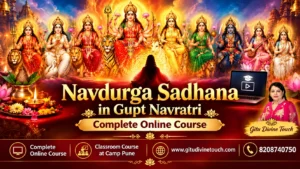
Navdurga Sadhana in Gupt Navratri – Complete Online Course

Divine Shakti Within Navdurga Sadhana in Gupt Navratri is one of the most sacred and spiritually powerful practices in Sanatan Dharma. While Chaitra and Sharad Navratri are celebrated publicly, Gupt Navratri is considered highly auspicious for spiritual seekers, mantra siddhi, tantra sadhana, Devi upasana, and inner transformation. During these nine divine nights, the worship of the Nine Forms of Goddess Durga (Navdurga) becomes exceptionally fruitful and helps the practitioner receive the blessings of Adi Shakti. At Gitu Divine Touch Healing Academy, our Navdurga Sadhana in Gupt Navratri Online Course is designed for beginners, spiritual seekers, healers, astrologers, tantrics, and devotees who wish to learn authentic Navdurga worship from the comfort of their home. The course combines traditional scriptures with practical guidance, making it suitable for both personal and professional spiritual growth. Whether your goal is spiritual evolution, protection from negative energies, mantra siddhi, chakra awakening, prosperity, health, or divine guidance, this Navdurga Sadhana course provides a systematic approach to connecting with the Mother Goddess. Why Perform Navdurga Sadhana During Gupt Navratri? Gupt Navratri is regarded as one of the best times for spiritual disciplines because cosmic energies are highly supportive for meditation, mantra chanting, tantra practices, and Devi worship. Practicing Navdurga Sadhana in Gupt Navratri can help you: What You Will Learn (Course Syllabus) Our comprehensive Navdurga Sadhana Online Course covers every important aspect of Devi worship. Module 1 – Introduction to Navdurga Module 2 – Nine Divine Forms of Navdurga Detailed study of: Module 3 – Daily Sadhana Module 4 – Mantras Module 5 – Hawan Procedure Module 6 – Guided Meditation Module 7 – Spiritual Applications Benefits of Navdurga Sadhana in Gupt Navratri Regular practice of Navdurga Sadhana offers tremendous physical, emotional, mental, and spiritual benefits. Spiritual Benefits Emotional Benefits Mental Benefits Material Benefits Health Benefits Who Can Join? This Navdurga Sadhana Online Course is suitable for: No prior spiritual experience is required. Certification After successful completion of the course, participants receive a Certificate of Completion from Gitu Divine Touch Healing Academy. This certification recognizes that the student has successfully completed training in Navdurga Sadhana during Gupt Navratri, including: The certificate is valuable for personal spiritual growth and may also support those who teach devotional practices or offer spiritual guidance. Why Learn from Gitu Divine Touch Healing Academy? At Gitu Divine Touch Healing Academy, students receive practical, easy-to-understand, and spiritually authentic guidance. Our training includes: Thousands of students have benefited from our spiritual healing and sadhana courses. Student Testimonials ★★★★★ Priya S., Pune “The Navdurga Sadhana course transformed my daily spiritual practice. The guided meditation and mantra chanting helped me experience peace and confidence.” ★★★★★ Sarita “I had never performed Navdurga worship before. The course explained every step beautifully. The Hawan procedure was simple to follow.” ★★★★★ Meena K., Delhi “I experienced greater positivity, emotional healing, and stronger faith after completing the Gupt Navratri Navdurga Sadhana course.” ★★★★★ Dr. Anjali P., Bengaluru “The teachings are authentic and practical. Every Navdurga form is explained in detail along with meditation and spiritual significance.” Frequently Asked Questions (FAQs) 1. What is Gupt Navratri? Gupt Navratri is a sacred nine-day period dedicated to secret spiritual practices, Devi worship, mantra siddhi, tantra sadhana, and inner transformation. 2. Can beginners join this Navdurga Sadhana course? Yes. The course is designed especially for beginners as well as experienced spiritual practitioners. 3. Is this course available online? Yes. You can learn from anywhere through our online classes. 4. Do I need previous knowledge of mantras? No. Every mantra, pronunciation, pooja method, and meditation is explained step by step. 5. Will I receive a certificate? Yes. A Certificate of Completion is provided after successfully completing the course. 6. Is this course suitable for healers and astrologers? Absolutely. Reiki healers, Lama Fera practitioners, astrologers, numerologists, tarot readers, and spiritual teachers can greatly benefit. 7. Can I perform the sadhana at home? Yes. The complete home pooja procedure, mantra chanting, Hawan, and meditation methods are taught. 8. Will this course teach all nine forms of Maa Durga? Yes. Detailed worship procedures for all nine forms of Navdurga are included. 9. What language is the course available in? The course is available in easy-to-understand Hindi with Sanskrit mantras and practical explanations. 10. How long will I have access? Please contact us for the latest information regarding course access, recordings, and support. Enroll Today If you wish to experience the divine grace of Maa Durga, learn authentic Navdurga Sadhana in Gupt Navratri, master powerful mantras, perform traditional pooja and Hawan, and deepen your spiritual journey, this course is the perfect opportunity. Begin your sacred journey with Gitu Divine Touch Healing Academy and invoke the blessings of the Nine Divine Mothers for protection, prosperity, wisdom, courage, and spiritual awakening. Contact: 8208740750Website: www.gitudivinetouch.com Email: divinetouchpune1@gmail.com

Navdurga Sadhana in Gupt Navratri – Complete Online Course Read Post »

Ut elit tellus, luctus nec ullamcorper mattis, pulvinar dapibus leo.

Work Hours

Oh to talking improve produce in limited offices fifteen an. Wicket branch to answer do we.

© 2026 All right reserved – Gitu Divine Touch Healing Academy | Designed by PREPelite.IN