
The Vedic Knots Practice Course is designed for people interested in exploring knot-based practices through a traditional or spiritual lens. Knots have appeared in many cultures as practical objects, decorative forms, and symbols associated with connection, continuity, protection, and intention. Within spiritual settings, particular knot forms may be given meanings that reflect the beliefs and customs of a specific tradition.
The term “Vedic knots” can be interpreted in different ways depending on the teacher and the method being taught. For this reason, the exact practices, meanings, and techniques covered in the Vedic Knots Practice Course will depend on the course provider’s material. Learners are encouraged to review the course details before purchasing so they understand the approach being presented.
Exploring the Meaning of Knots
A knot is formed by bringing a cord, thread, or similar material together in a particular arrangement. In everyday life, knots are used to secure objects, join materials, and create useful or decorative designs. In symbolic practices, a knot may also represent a connection, a commitment, a reminder, or an intention.
Different cultures have developed their own interpretations of knots. Their meanings may relate to relationships, continuity, discipline, protection, or the connection between different parts of life. These interpretations are not universal, and a symbol can mean different things in different settings.
The Vedic Knots Practice Course may introduce learners to the meanings assigned to particular knot forms within the system taught by the provider. Understanding the background of a practice is important because it helps distinguish established cultural traditions from modern interpretations or personal beliefs.
For beginners, learning about knot symbolism can be a way to explore how physical objects become associated with ideas and personal meaning. It can also encourage a closer look at the role of repetition, intention, and careful action in traditional practices.
Understanding the Practice
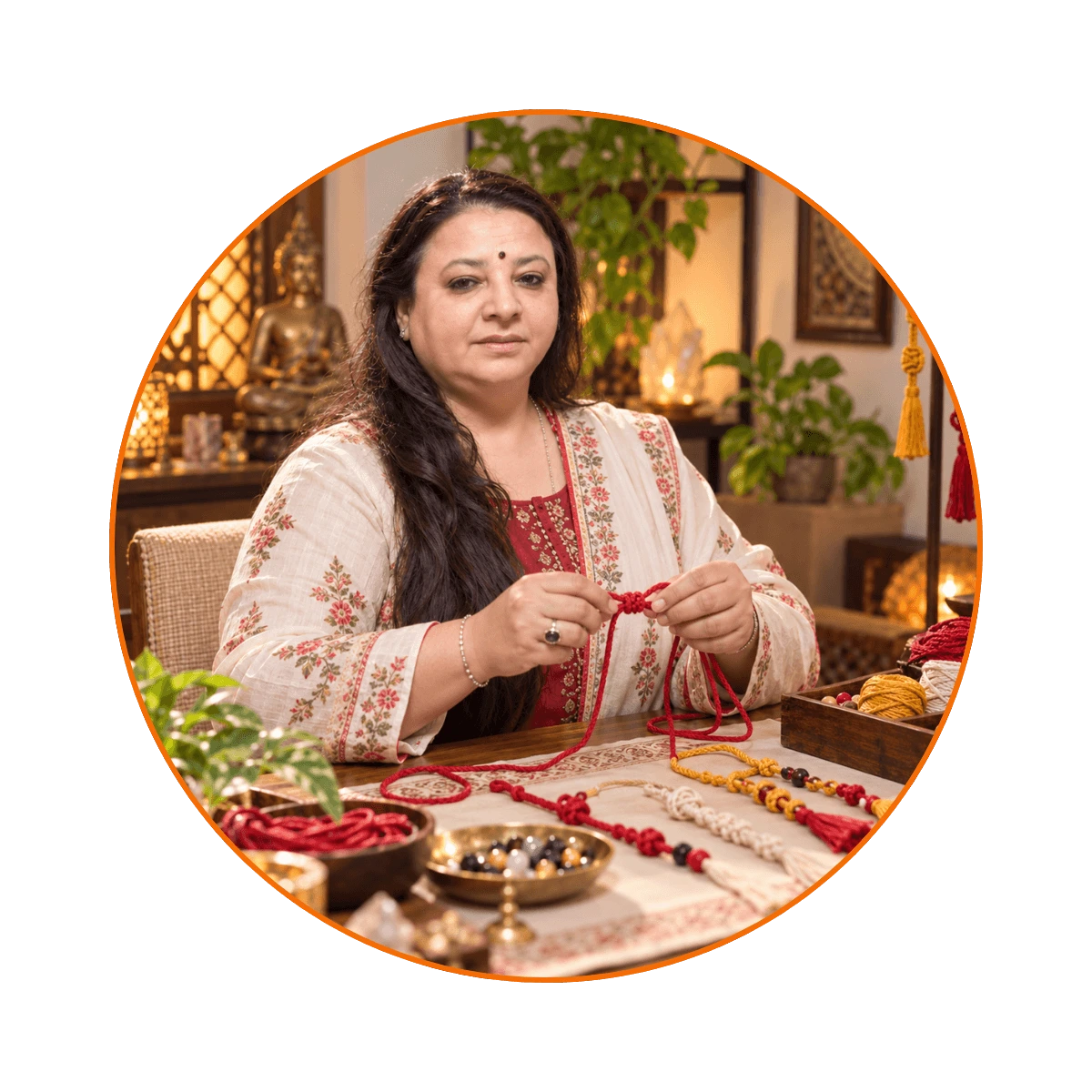
A knot-based practice may involve working with cord, thread, or another suitable material while following a particular sequence of actions. Depending on the method, attention may be given to the order of the steps, the form of the knot, the purpose assigned to it, or the words and intentions associated with the activity.
The Vedic Knots Practice Course may offer an introduction to these elements, depending on its actual content. Participants should check whether the provider includes demonstrations, guided exercises, explanations of symbolism, or other learning resources.
Careful practice can help beginners become familiar with the physical steps involved in forming a knot. Working slowly, following instructions, and repeating a sequence can also provide an opportunity to develop patience and attention to detail.
If the course uses particular knot names, traditional terms, or prescribed methods, learners should follow the explanations supplied by the instructor rather than assuming that all knot practices are the same. The background and intended meaning of each technique matter when studying a tradition respectfully.
The Role of Intention and Focus
Some spiritual and reflective practices connect a physical action with a personal intention. A knot may be used as a reminder of a decision, a personal commitment, or an idea that the practitioner wishes to keep in mind. The act of tying the knot can become part of a routine for pausing, thinking, and clarifying priorities.
Within the Vedic Knots Practice Course, intention may be discussed as part of the method, depending on the provider’s teaching approach. Learners can consider how a simple, repeated activity might fit into a wider personal routine without assuming that the action itself guarantees a result.
For example, a person working toward a consistent daily habit might use a symbolic object as a reminder of the commitment they have made. The object can serve as a cue to take practical steps, review progress, and return to the goal when needed.
This is different from claiming that a knot can independently control events or guarantee success. Spiritual meanings may be important to people who follow a particular tradition, but outcomes depend on many factors, including circumstances, choices, and actions.
Materials, Care, and Preparation
The materials required for knot practice depend on the specific technique. Some activities may use ordinary thread or cord, while others may specify particular materials, colours, or sizes. Do not assume that the course includes supplies unless the provider explicitly states this.
Before beginning an exercise, it is helpful to prepare a clean, comfortable workspace and organise the required materials. Following the demonstrated sequence can make the process easier to understand, particularly for beginners who are unfamiliar with a particular knot form.
If a method assigns symbolic meanings to specific materials, colours, or arrangements, those meanings should be understood within the context in which they are taught. They may reflect the beliefs of a particular practitioner or school rather than a rule shared by all Vedic traditions.
The Vedic Knots Practice Course may provide information about these details, but the exact requirements should be confirmed from the product or course information. Check whether you need to obtain any materials separately before starting.
Cultural and Spiritual Context
The word “Vedic” refers to the Vedas and the traditions connected with them. Not every modern spiritual practice described as Vedic has a direct or clearly documented basis in ancient Vedic texts. It is therefore useful to ask how a particular knot technique is presented, what sources or lineage the teacher refers to, and whether the practice is traditional, contemporary, or a combination of both.
The Vedic Knots Practice Course can be approached as an opportunity to study the method and the meanings assigned to it by its provider. A thoughtful learner can remain curious while recognising that spiritual interpretations differ and should be considered in their proper context.
Respectful study involves avoiding broad claims about an entire culture based on one technique. It also means allowing room for different interpretations and understanding that personal experiences do not establish universal rules.
Who May Be Interested in This Course?
This course may appeal to people interested in spiritual traditions, symbolic practices, knot work, or reflective activities. Beginners may appreciate having a structured introduction rather than trying to piece together unfamiliar methods from unrelated sources. Those who already explore traditional practices may also be interested in learning how the course provider explains this particular approach.
No previous experience should be assumed unless the provider lists specific entry requirements. Before enrolling, check the learning format, access arrangements, included materials, instructor information, and whether the course contains demonstrations or guided practice.
These details can help you decide whether the content matches your interests and whether the course is suitable for your current level of experience.
A Practical and Balanced Approach
The Vedic Knots Practice Course may provide a starting point for exploring the relationship between physical actions, symbolic meanings, and personal intention. Learners can approach the material with curiosity while keeping realistic expectations about what a practice can offer.
If you choose to include knot work in your routine, consider using it as a reminder of a clear personal commitment. Pair the activity with practical steps that support your goal, and review your progress over time. This keeps the practice connected to everyday decisions rather than relying on a symbol to produce a particular outcome.
Spiritual practices may hold personal or cultural significance, but there is no established scientific basis for claiming that tying a particular knot guarantees protection, wealth, relationship success, health improvements, or other specific results. Such outcomes should not be promised.
Begin Your Learning Journey
The Vedic Knots Practice Course offers an opportunity to explore knot symbolism and the practice taught by the course provider. Its suitability will depend on the specific methods, background information, and learning resources included.
Review the course details carefully before purchasing, particularly if you are looking for a specific traditional technique or a particular style of instruction. With a clear understanding of the material and a respectful approach to its context, you can decide whether this subject fits your personal interests.
Important note: Course content and techniques depend on the provider. This description does not verify a specific historical lineage or promise spiritual, financial, health, or other outcomes. Treat traditional interpretations as part of the belief system in which they are presented.
Reviews
There are no reviews yet.