
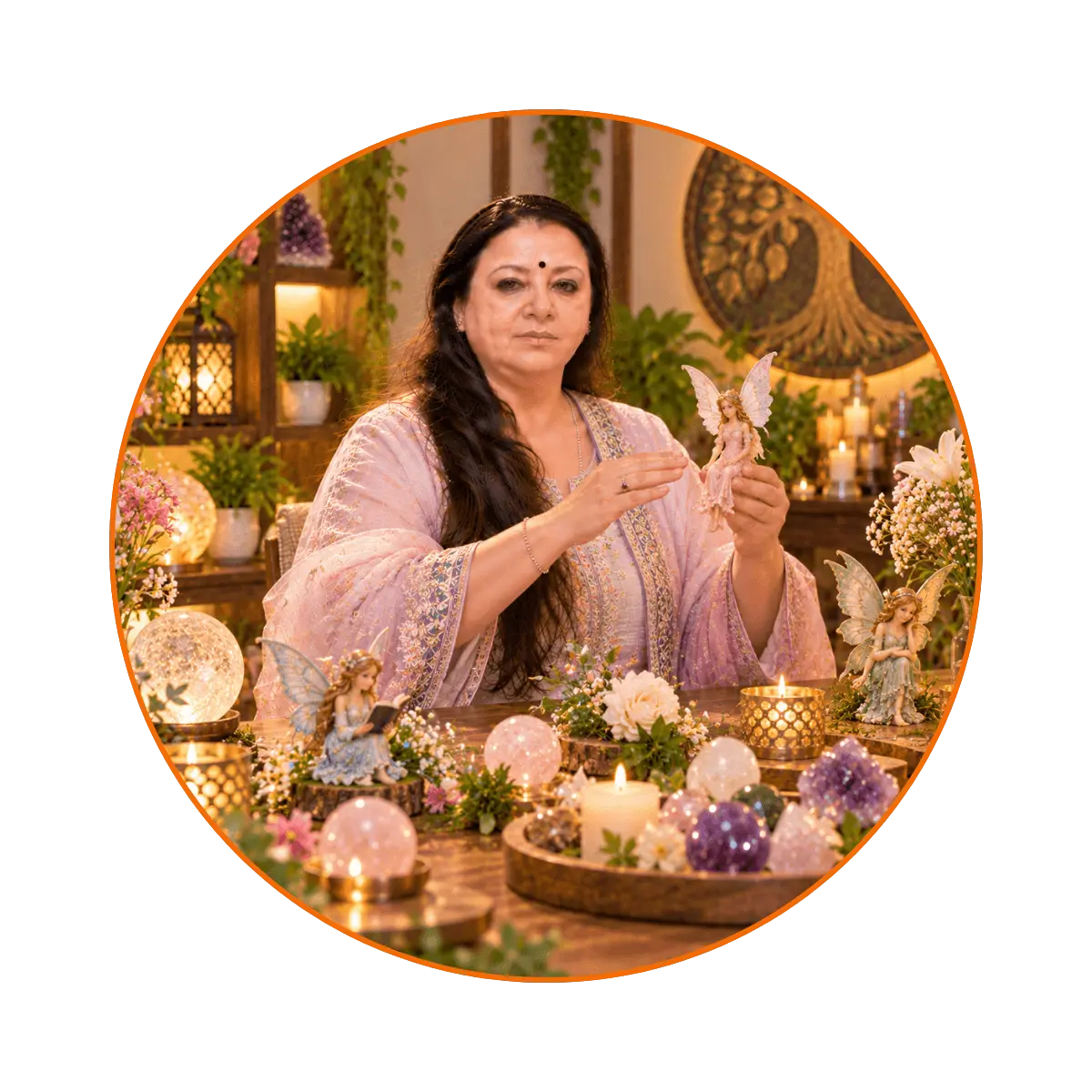
The Fairy Therapy Course is designed for people interested in fairy symbolism, nature-based spirituality, meditation, visualization and personal reflection. Fairies appear in folklore, stories and traditional beliefs from different cultures, often connected with forests, flowers, water, seasons, plants and the natural world.
In modern spiritual practice, fairy themes may be used as symbolic tools for meditation, creative work and personal reflection. A Fairy Therapy Course provides a way to explore these ideas through quiet practices, visualization, nature observation and intention setting.
The word “fairy” can mean different things depending on the tradition. Some people view fairies as figures from folklore and mythology, while others use fairy imagery as a spiritual symbol connected with nature and imagination. The Fairy Therapy Course can be approached from either perspective according to personal beliefs.
The focus is on using fairy symbolism as a gentle theme for reflection, creativity and spiritual practice rather than making claims about supernatural or medical results.
Understanding Fairy Symbolism
Fairy stories have been passed through generations in many forms. Different traditions describe nature beings, woodland spirits and magical figures in different ways. Their stories can include forests, flowers, springs, gardens, animals and changing seasons.
A Fairy Therapy Course can explore these themes through modern spiritual practices. Students may use fairy images as symbols for qualities such as playfulness, kindness, curiosity, imagination and connection with nature.
There is no single meaning that applies to every fairy tradition. The symbolism can change according to culture, personal belief and the type of practice being followed.
This makes fairy work flexible for meditation, journaling and creative activities.
Fairy Meditation
Meditation is an important part of a Fairy Therapy Course. A simple meditation may involve sitting quietly and imagining a peaceful woodland, garden, meadow or natural setting.
Students can use a fairy image or nature scene as a point of attention. Slow breathing can be combined with visualization while allowing thoughts to come and go naturally.
Some people may see detailed images during visualization, while others may experience only colours, feelings, ideas or memories. There is no need to force a particular experience.
Fairy meditation can simply provide a quiet period for reflection and imagination.
Nature Connection
Nature is an important theme in fairy traditions. Forests, plants, flowers, water and animals are often part of fairy stories and modern fairy-inspired spiritual practices.
A Fairy Therapy Course can encourage students to spend time observing natural surroundings. This may involve sitting in a garden, walking through a park or simply observing plants and trees.
The activity can be combined with breathing and mindful observation. Students may notice colours, sounds, textures and movement around them.
The purpose is not to claim that nature objects contain a particular supernatural force. Instead, nature can provide a peaceful setting for personal reflection.
Fairy Visualization
Visualization allows students to create an imagined setting for meditation. In a Fairy Therapy Course, this may include a woodland path, garden, stream, flower field or another peaceful natural scene.
A student may imagine meeting a fairy figure within this setting and simply observe the experience. The fairy can represent a personal quality, question or theme for reflection.
For example, a fairy may symbolise curiosity, patience or a closer connection with nature. The meaning comes from personal interpretation rather than a fixed rule.
Visualization can also be used as a creative exercise for writing, drawing or journaling.
Working With Fairy Archetypes
Modern spiritual practices sometimes use different fairy figures as symbolic archetypes. One figure may represent nature, another creativity, another protection or another personal growth.
A Fairy Therapy Course can introduce these ideas as symbolic practices rather than historical facts that apply to every culture.
Students can choose an image that feels meaningful to them and reflect on the qualities connected with it. This may encourage questions such as what quality they want to develop or what part of their daily life needs more attention.
The exercise can remain simple and personal.
Fairy and Elemental Themes
Fairy traditions are often connected with natural elements. Earth, water, fire and air can appear in modern fairy spiritual practices through different forms of nature imagery.
A Fairy Therapy Course may use these elements during meditation. Earth can be represented by trees and soil, water by streams and lakes, fire by sunlight or a small flame, and air by wind and open spaces.
These associations can provide themes for visualization and journaling.
Elemental meanings vary across spiritual systems, so students can explore them without treating one interpretation as universal.
Fairy Meditation With Colour
Colour can also be included in fairy-inspired practices. Green may be associated with forests and plants, blue with water and sky, yellow with sunlight and flowers, and other colours may be selected according to personal preference.
In a Fairy Therapy Course, students can use colour as a visual focus during meditation or creative exercises.
A simple practice may involve selecting a colour, observing it for a few minutes and noticing personal thoughts or associations.
Colour meanings are subjective and can differ between people and traditions.
Fairy Journaling
Journaling can support a Fairy Therapy Course practice by giving students a place to record their thoughts and experiences.
After meditation, students may write about the setting they imagined, the fairy symbolism they used, colours they noticed and ideas that came to mind.
They may also write about experiences in nature. A simple nature journal can include observations about flowers, leaves, birds, weather and seasonal changes.
The purpose is personal reflection rather than proving that a particular spiritual experience has an external cause.
Fairy Cards and Creative Practices
Some people use fairy-themed cards, artwork or oracle-style decks as part of personal reflection. These tools can provide images or themes for meditation and journaling.
A Fairy Therapy Course may incorporate this type of symbolic practice where appropriate.
Students can select an image and consider what it represents to them. They may then write a short reflection or create artwork based on the image.
Drawing, painting, colouring and creative writing can also be included. These activities can make fairy-inspired practice more enjoyable while providing a simple way to express thoughts and ideas.
Fairy Practices and Personal Intention
Intention setting can give a Fairy Therapy Course practice a clear purpose. Before meditation, students may decide what they want to reflect upon.
An intention could involve spending more time in nature, making space for creativity, practising patience or paying greater attention to everyday surroundings.
The intention should focus on the student’s own choices rather than attempting to control another person.
Writing the intention before a session and reviewing it afterward can help create a simple personal record.
Seasonal Fairy Practice
Nature changes throughout the year, and seasonal observation can be included in fairy-inspired spiritual work. Spring, summer, autumn and winter each offer different colours, weather patterns and natural surroundings.
A Fairy Therapy Course can use seasonal changes as themes for reflection.
Spring may encourage thoughts about beginnings, summer about activity and enjoyment, autumn about change and winter about rest. These are symbolic associations, not fixed rules.
Students can create simple seasonal rituals through journaling, nature walks, artwork or quiet meditation.
Fairy Therapy for Relaxation and Reflection
A Fairy Therapy Course can provide a peaceful structure for people who enjoy quiet spiritual practices. Fairy visualization, nature observation and creative activities may give students time away from daily routines.
The practice does not require a complicated setup. A quiet room, garden, park or comfortable outdoor space can be enough.
Students may choose to practise for a few minutes at a time and gradually develop a routine that suits them.
The experience is personal, and people may respond differently to the same meditation or visualization.
Working With Other People
People studying a Fairy Therapy Course may eventually want to share fairy-inspired meditation or reflective activities with friends or groups.
When doing this, clear communication and personal boundaries are important. Participants should understand that fairy practices are spiritual or symbolic activities rather than medical treatment.
No one should be pressured to accept a particular belief about fairies, nature spirits or energy.
Privacy should also be respected when participants share personal thoughts or experiences during a session.
Who Can Study a Fairy Therapy Course?
The Fairy Therapy Course can be suitable for beginners, meditation practitioners, creative people, spiritual learners and anyone interested in fairy folklore and nature symbolism.
Previous experience with meditation is not necessarily required unless specific requirements are set by the course provider.
People who already practise Reiki, chakra meditation, crystal work, angel practices or other spiritual methods may also enjoy adding fairy and nature symbolism to their personal routine.
Developing a Personal Fairy Practice
A regular Fairy Therapy Course practice can be simple. Students may spend a few minutes in fairy visualization, take a nature walk, write in a journal or create artwork inspired by natural surroundings.
Keeping notes can help students remember their experiences and personal interpretations.
There is no need to force unusual experiences or expect a particular result. Fairy-inspired practice can simply provide time for imagination, observation and quiet reflection.
Important Note
Fairy therapy is a spiritual, symbolic and complementary practice based on folklore, imagination, nature themes and personal belief. Claims about fairies, energy or supernatural effects are not scientifically established.
The Fairy Therapy Course is intended for education, spiritual study, meditation, creative expression and personal reflection. It should not replace medical treatment, psychological care, counselling or other professional services.
Individual experiences may differ, and no specific health, emotional, financial or personal outcome should be promised.
Why Choose a Fairy Therapy Course?
The Fairy Therapy Course offers a gentle way to explore fairy symbolism alongside meditation, nature observation, visualization and creative activities.
For people interested in folklore, the course can provide a modern spiritual approach to fairy themes. For meditation practitioners, fairy imagery can provide a different focus for visualization. Creative learners can use fairy symbolism for drawing, writing, colouring and other forms of expression.
The Fairy Therapy Course can also encourage greater attention to natural surroundings. Simple activities such as observing flowers, listening to birds, walking among trees or watching seasonal changes can become part of a personal reflective routine.
There is no need for complicated materials or elaborate rituals. A quiet place, an open mind and time for personal reflection can be enough to begin.
By keeping the practice personal and respectful, students can explore fairy symbolism in a way that fits their own beliefs and interests.

Reviews
There are no reviews yet.