
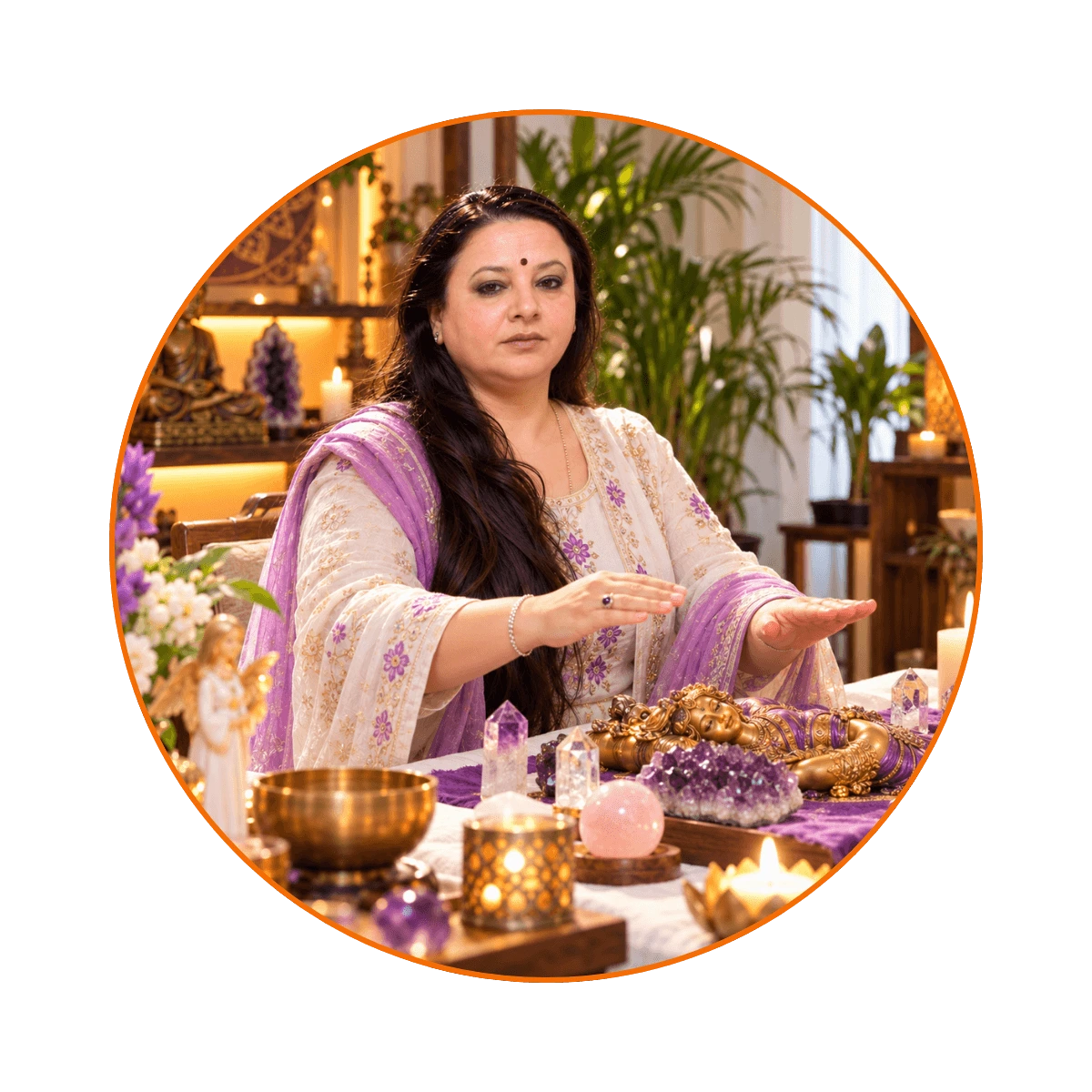
The YogMaya Healing Course is intended for people who want to explore spiritual healing through the traditional ideas associated with YogMaya and Indian spiritual beliefs. It offers an opportunity to learn about the spiritual meaning of YogMaya, the role of faith and devotion, and the place of meditation and personal reflection in spiritual practice.
In Hindu traditions, YogMaya is associated with divine power, spiritual mystery, and the way divine presence is understood in religious stories and teachings. The meaning of YogMaya can vary depending on the tradition and the source being studied. This course title brings together the idea of YogMaya and healing, making it relevant to learners who wish to explore a spiritual approach to personal well-being.
The YogMaya Healing Course may suit beginners as well as people who already have an interest in meditation, prayer, traditional spiritual practices, or energy-based healing beliefs. The exact content and teaching approach depend on the course provider, so learners should review the available course details before enrolling.
Understanding YogMaya and Spiritual Healing
YogMaya has an important place in several Hindu religious narratives and spiritual interpretations. It is often discussed in connection with divine power, the workings of the universe, and the relationship between human understanding and the divine. Studying these ideas can help learners develop a clearer understanding of the beliefs behind the course.
The YogMaya Healing Course provides a starting point for exploring how spiritual traditions connect faith, awareness, and personal reflection. In many spiritual settings, healing is understood in a broad sense. It may refer to finding peace, developing patience, reflecting on personal experiences, or building a stronger connection with one’s beliefs.
These ideas are part of spiritual and religious practice rather than a substitute for medical care. A course based on YogMaya should be approached with respect for its traditions and an understanding that spiritual beliefs differ from person to person.
A Spiritual Approach to Personal Well-Being
For many people, spiritual practice offers a regular time to pause, reflect, and consider their thoughts and actions. Prayer, meditation, quiet contemplation, and devotional reading are common ways people make space for this reflection. Depending on the provider, the YogMaya Healing Course may discuss some of these practices within its chosen spiritual framework.
Learners can use their study time to consider what spiritual well-being means to them. Some may focus on developing a calm daily routine, while others may be interested in Hindu beliefs, devotional practices, or the symbolic meaning of YogMaya. The value of such study often comes from sincere participation, thoughtful reading, and a willingness to understand the tradition being presented.
The YogMaya Healing Course should not be viewed as a promise of instant change or a guaranteed solution to personal difficulties. Instead, it can be considered an opportunity to study spiritual ideas and decide how they relate to one’s own beliefs and daily life.
Meditation, Prayer, and Reflection
Meditation and prayer are used in many spiritual traditions, although their forms and purposes can differ. Meditation may involve sitting quietly, focusing attention, or observing thoughts without immediately reacting to them. Prayer may provide a way to express gratitude, seek guidance, or reflect on one’s relationship with the divine.
Where these practices form part of the course, learners should follow the instructions provided by the teacher and respect the beliefs behind each practice. There is no need to assume that every spiritual method is suitable for every person. Personal comfort, religious understanding, and individual circumstances should guide participation.
The YogMaya Healing Course may also encourage learners to approach spiritual study with patience. Reading, reflection, and regular practice can help a person understand the material more clearly over time. Learners should check the course description to confirm which practices are actually included.
Who Can Consider This Course?
The YogMaya Healing Course may be of interest to:
- Beginners who want to learn about YogMaya and its place in Indian spiritual traditions.
- People interested in spiritual healing beliefs and devotional practices.
- Learners who enjoy meditation, prayer, and quiet personal reflection.
- Students exploring the relationship between Hindu teachings and spiritual well-being.
- Spiritual practitioners who wish to study a topic outside their usual area of interest.
- Anyone who wants to learn more about the beliefs associated with YogMaya before deciding whether further study is appropriate.
No particular level of spiritual experience should be assumed unless the course provider states an entry requirement. Before purchasing, check whether the course is designed for beginners, whether any prior knowledge is recommended, and what learning materials or support are included.
Learning at Your Own Pace
Spiritual study can involve more than reading information. It can also include reflecting on the meaning of a teaching, asking questions, and considering how a belief fits within a wider religious tradition. Learners may find it useful to keep personal notes and revisit important ideas as they progress.
The YogMaya Healing Course can serve as a point of study for people who want to explore these themes in an organised way. The amount of time needed will depend on the format and material offered by the provider. Check the product details for information about access, course duration, teaching support, practice guidance, and any completion requirements.
It is also helpful to understand what is included in the purchase. Course providers may differ in the way they deliver lessons and provide learning resources. Do not assume that live sessions, personal guidance, recordings, certificates, or ongoing support are included unless they are specifically listed.
Respect for Tradition and Responsible Practice
YogMaya is connected with religious and spiritual ideas that have different meanings across sources and traditions. Learners should approach the subject with respect and avoid treating one interpretation as the only possible explanation. If the course refers to particular scriptures, teachers, or lineages, reviewing those references can provide useful context.
Spiritual healing is understood differently across cultures and communities. Some people find spiritual practices meaningful as part of their personal lives, but claims about treating illness or guaranteeing physical, emotional, financial, or relationship outcomes should be considered carefully. The YogMaya Healing Course is best approached as spiritual education rather than a promise of specific results.
If you are experiencing a health concern, seek guidance from a qualified healthcare professional. Spiritual practices may be meaningful alongside appropriate care, but they should not replace medical assessment or prescribed treatment.
Begin Your Study of YogMaya
Choosing a spiritual course is a personal decision. Consider your reasons for studying YogMaya, the type of guidance you are looking for, and whether the course description matches your expectations. Reading the provider’s information before purchasing can help you make a clear and informed choice.
The YogMaya Healing Course offers a topic for learners interested in traditional Indian spirituality, spiritual healing beliefs, and personal reflection. Approach the subject with an open mind, respect for its religious background, and realistic expectations about what a course can offer.
Important note: YogMaya Healing Course content should be understood in the context of spiritual or religious study. No medical benefit, guaranteed healing result, or professional qualification is implied unless clearly supported by the provider’s published details. Please confirm the course format, contents, eligibility, and completion terms before enrolling.
Reviews
There are no reviews yet.