
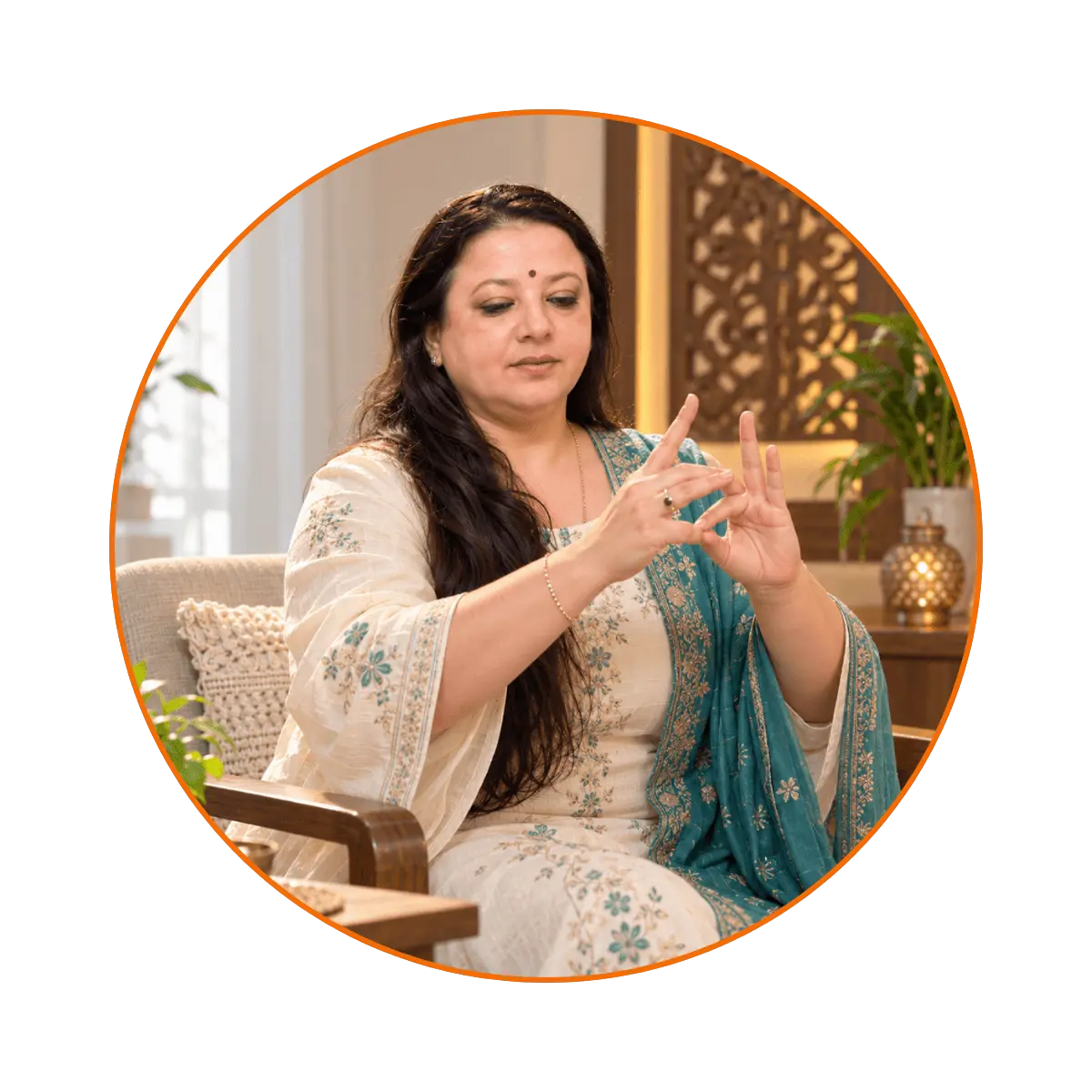
The Mudra Practice Course is designed for people who want to learn about traditional hand gestures used in yoga, meditation, and Indian spiritual practices. Mudras are specific positions of the hands and fingers that have been used in different traditions for symbolic, meditative, and practical purposes. They are often practised alongside breathing exercises, meditation, or yoga.
This course offers an opportunity to explore mudras in a structured learning environment. It may suit beginners who are new to the practice as well as yoga and meditation enthusiasts who want to add another element to their existing routine. The exact techniques and teaching methods depend on the course provider, so it is helpful to review the course details before enrolling.
The Mudra Practice Course encourages learners to approach the practice with patience and attention. You do not need to rush through the gestures or expect immediate results. Understanding how a hand position is formed, what it represents, and how it is used within a particular tradition can make the learning process more meaningful.
Understanding the Meaning of Mudras
The word mudra is used in several Indian traditions, including yoga, Hindu and Buddhist religious practices, dance, and meditation. Its meaning can vary according to the setting. Some mudras represent particular ideas or qualities, while others are used as part of a meditation or movement practice.
Hand gestures can carry symbolic meanings in traditional art and religious imagery. In yoga and meditation, certain gestures are used to give the hands a particular position while a person sits quietly or follows a breathing routine.
The Mudra Practice Course introduces learners to this subject according to the methods taught by the provider. Since different traditions may explain the same gesture in different ways, learners should pay attention to the context rather than assuming that every mudra has one universal meaning.
The Role of Mudras in Meditation
Meditation often involves choosing a comfortable position and keeping attention on a point of focus, such as the breath, a word, or a particular sensation. For some practitioners, placing the hands in a mudra provides a consistent physical position during meditation.
A Mudra Practice Course may help learners become familiar with hand placement and the role of gestures within a meditation routine. Practising slowly can make it easier to notice whether a position feels comfortable and whether the fingers, wrists, and shoulders remain relaxed.
There is no need to force the hands into a position that feels uncomfortable. A simple adjustment or a short break may be enough to make practice more suitable. Beginners can start with brief sessions and increase the time only when the position remains comfortable.
Mudras are not a requirement for every type of meditation. They are one option among many, and learners can decide whether they fit their personal practice.
Connect Hand Gestures with Breathing
Breathing exercises are commonly used in yoga and meditation. Some practitioners combine a particular hand position with slow, comfortable breathing to help maintain attention during a session.
Within the Mudra Practice Course, breathing may be discussed alongside hand gestures, depending on the course content. Learners can explore how a steady breathing routine and a comfortable posture fit into their personal practice.
Breathing should remain natural and comfortable. Beginners do not need to hold their breath or force deep breathing to perform a mudra. Anyone who feels dizzy, breathless, or uncomfortable should stop the exercise and return to normal breathing.
Combining mudras with breathing can provide a simple structure for a quiet practice period. The value of the exercise lies in learning the method and using it appropriately, rather than expecting a particular physical or spiritual effect.
Mudras and Body Awareness
Learning a new hand position encourages attention to the fingers, palms, wrists, and arms. This can help learners notice their posture and identify unnecessary tension while sitting or meditating.
The Mudra Practice Course may be useful for people who want to develop greater awareness of how they position their hands during quiet activities. With regular, comfortable practice, learners can become more familiar with the gestures and decide which ones suit their routine.
Different hand positions may feel different depending on hand size, flexibility, and individual comfort. There is no need to compare your movements with those of another learner. The aim is to understand the gesture and practise it safely within your own physical limits.
Although some traditional teachings associate particular mudras with specific bodily or energetic effects, these claims are not all supported by scientific evidence. Mudras should not be treated as a replacement for medical care or prescribed treatment.
Who May Be Interested in This Course?
The Mudra Practice Course may appeal to people who want to learn more about traditional gestures and their use in meditation, yoga, or spiritual practice.
It may be suitable for:
- Beginners interested in learning about mudras.
- Yoga practitioners who want to explore hand gestures.
- People who enjoy meditation and quiet reflection.
- Learners interested in Indian spiritual and cultural traditions.
- Individuals who want to establish a simple personal practice.
- Teachers or wellness practitioners who wish to learn more about the subject within the limits of their existing training.
Previous experience may not be necessary, but requirements can differ between providers. Check whether the course is intended for beginners or assumes familiarity with yoga, meditation, or related practices.
Make Mudra Practice Part of Your Routine
A regular routine can make it easier to remember the gestures and become familiar with their traditional uses. Learners might choose a quiet time of day, sit comfortably, and practise for a few minutes without distractions.
The Mudra Practice Course can provide a starting point for developing such a routine. Some learners may prefer to practise before meditation, while others may include a gesture during a short period of quiet reflection.
It can be helpful to keep simple notes about which gestures you have practised and any questions you want to ask your instructor. This approach supports steady learning without creating pressure to achieve a particular result.
Consistency does not mean practising for long periods. Short sessions that feel comfortable may be more suitable than forcing a lengthy routine into a busy day.
Learn with Care and Realistic Expectations
Mudras have a long history in several cultural and spiritual traditions. Learning about them involves understanding not only how to position the hands but also the context in which a gesture is traditionally used.
The Mudra Practice Course should be approached as an educational opportunity rather than a promise of health benefits or extraordinary results. It is useful to distinguish traditional beliefs from claims that have been tested through scientific research.
If you have a hand, wrist, or joint condition that makes a gesture uncomfortable, do not force the position. Seek appropriate professional guidance if you are unsure whether a movement is suitable for you. Mudra practice should not delay medical assessment or replace treatment for a health concern.
Respect for the tradition, attention to comfort, and realistic expectations can help make learning more worthwhile.
What to Check Before Enrolling
Before purchasing the Mudra Practice Course, review the provider’s information to understand how the training is delivered. Check whether it is online or in person, whether the lessons are recorded or live, and whether practice guides or other learning materials are included.
You may also want to confirm whether the course provides instructor support, whether previous experience is expected, and whether a certificate is offered. If a certificate is included, check what it represents. Course completion does not automatically establish professional accreditation or qualify someone to provide medical or therapeutic services.
Clear course information helps you choose training that matches your interests and experience.
Begin Your Mudra Practice
The Mudra Practice Course offers an opportunity to explore traditional hand gestures and their place in yoga, meditation, and spiritual practice. It may be a good fit for learners who want to understand the meaning of mudras, practise comfortable hand positions, and include them in a regular meditation routine.
Approach the Mudra Practice Course with patience and curiosity. Take time to understand each gesture, follow the instructions provided, and adapt your practice to your comfort. Whether you are new to mudras or adding to an existing routine, steady learning can help you build a clearer understanding of the tradition.
Important note: Mudras are used in traditional cultural, spiritual, and meditative practices. Claims about specific medical effects are not all scientifically established. This course is for educational and personal practice purposes and does not replace professional medical advice or treatment.
Reviews
There are no reviews yet.