

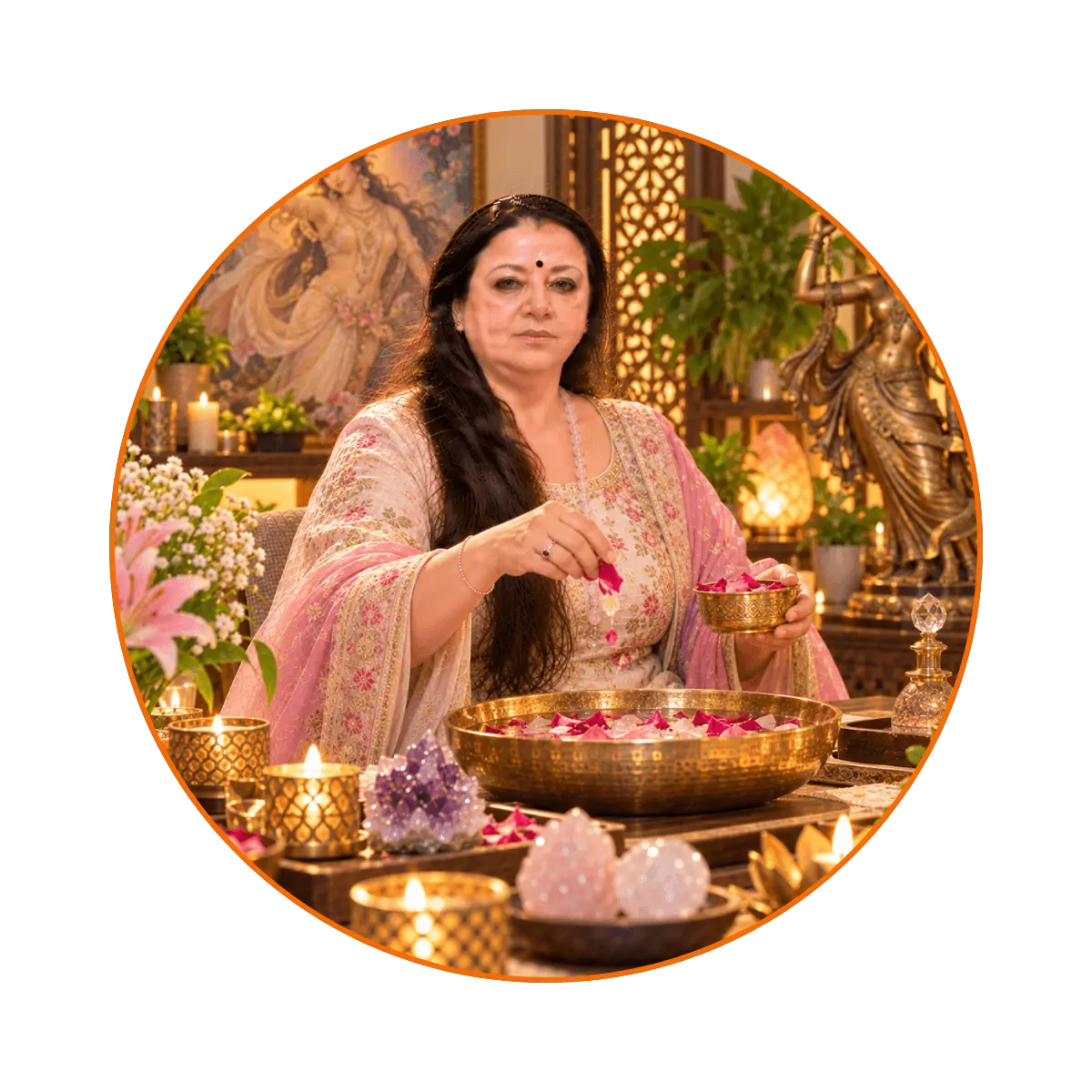
The Apsara Sadhana Course is intended for people interested in traditional spiritual practices associated with Apsara Sadhana. In certain Indian spiritual and tantric traditions, Apsaras are described as celestial female beings connected with beauty, art, music, attraction, and heavenly realms. Accounts of these beings differ across religious texts, regional traditions, and spiritual teachings.
Apsara Sadhana generally refers to a spiritual practice based on particular beliefs, rituals, mantras, and focused intention. People explore these practices for different reasons, including spiritual curiosity, personal reflection, and an interest in traditional forms of worship and meditation. The details can vary considerably between teachers and lineages, so it is important to understand the approach followed by the course provider.
The Apsara Sadhana Course offers an opportunity to study this subject in a more organized way, depending on the material and guidance included. It is best approached with patience, respect for the tradition, and realistic expectations about spiritual practices.
Understanding Apsara Sadhana
The word sadhana is commonly used in Indian spiritual traditions to describe a regular practice followed with a particular intention. Depending on the tradition, sadhana may involve meditation, mantra recitation, prayer, visualization, ritual observances, or periods of quiet reflection.
Apsara Sadhana is associated with traditional beliefs about Apsaras and their place in spiritual stories and esoteric teachings. Some accounts connect these practices with qualities such as artistic expression, confidence, charm, or personal attraction. These associations belong to particular belief systems and should not be understood as guaranteed results.
The Apsara Sadhana Course can help interested learners explore the subject through the explanations and practices provided by their instructor. Since different teachers may follow different methods, participants should check the course details to understand which tradition is being presented and how the practice is taught.
The Role of Mantra and Concentration
Mantra recitation is used in many Indian spiritual traditions as a way to focus attention and maintain a regular practice. Repeating a mantra may provide a clear point of concentration during meditation or prayer. The meaning, pronunciation, and method of recitation depend on the specific tradition.
Within an Apsara Sadhana Course, mantra-related instruction may be included if it forms part of the provider’s teaching method. Learners should follow the guidance supplied by their instructor rather than relying on incomplete instructions from unrelated sources.
Regular practice requires patience. Some people find repetition useful for settling their attention, while others may find it difficult to concentrate at first. There is no need to expect unusual experiences or immediate changes. A measured approach allows learners to study the tradition without placing unnecessary pressure on themselves.
Meditation and Personal Discipline
Meditation and quiet reflection can support a steady routine for people exploring spiritual traditions. Setting aside a regular time, choosing a comfortable place, and reducing distractions can make it easier to focus on a practice.
The Apsara Sadhana Course may appeal to people who want a structured introduction to a subject that can otherwise be difficult to understand through scattered information. Depending on the provider, instruction may discuss preparation, concentration, traditional observances, or the importance of following a consistent routine.
Personal discipline does not mean forcing an experience or continuing a practice that causes distress. Learners should feel free to pause, ask questions, and seek clarification when instructions are unclear. Spiritual study is most useful when approached with care and a willingness to learn.
A Traditional Subject with Different Interpretations
Apsaras appear in a range of Indian stories and religious traditions. They are often portrayed as celestial figures associated with dance, music, beauty, and the worlds of gods and heavenly beings. Later spiritual and esoteric interpretations may give them additional meanings or describe practices associated with their names.
The Apsara Sadhana Course should be understood within the particular tradition presented by its provider. Not every account uses the same methods, mantras, ritual instructions, or interpretations. Learning about the source of a practice can help participants distinguish traditional accounts from modern explanations or personal claims.
It is also important to approach stories about supernatural beings as matters of religious or spiritual belief. Experiences attributed to spiritual entities cannot be guaranteed, and the existence or effects of such experiences should not be presented as scientifically established facts.
Who May Be Interested in This Course?
The Apsara Sadhana Course may interest adults who want to learn about Indian spiritual traditions, mantra-based practices, meditation, or esoteric subjects. It may also suit people who have read about Apsaras and want to understand how the concept is interpreted in a particular spiritual setting.
This course may be worth considering if you:
- Have an interest in traditional Indian spiritual practices.
- Want to understand the concept of sadhana and its place in spiritual study.
- Are curious about the stories and symbolism associated with Apsaras.
- Wish to explore mantra recitation or meditation as part of a traditional practice.
- Prefer learning from a course provider instead of piecing together information from different sources.
- Want to approach spiritual subjects with patience and realistic expectations.
No particular result should be assumed simply because someone joins a course. The experience will depend on the content, the instruction provided, and the learner’s own interests and approach.
Responsible and Respectful Practice
Spiritual practices should be approached with respect for personal boundaries, cultural context, and individual beliefs. Learners should avoid pressuring other people to accept a particular interpretation or participate in a ritual. If a practice involves another person, clear consent and honest communication are important.
The Apsara Sadhana Course should not be treated as a guaranteed method for gaining wealth, securing a relationship, controlling another person’s choices, or obtaining supernatural powers. Claims of this kind may appear in some spiritual settings, but they are not reliable outcomes that a course can promise.
It is also sensible to be cautious of anyone who uses fear, threats, or urgent demands for payment to persuade people to continue a ritual or purchase additional services. A trustworthy learning environment should allow questions and explain its requirements clearly.
What to Check Before Enrolling
Before purchasing the Apsara Sadhana Course, review the provider’s information carefully. Check whether the course is delivered online or in person, whether learning materials are included, and whether instruction is live or recorded. If the provider requires previous experience or preparation, confirm those requirements before enrolling.
You should also ask what kind of support is available during the course and whether any certificate is provided. A certificate of course completion does not automatically mean that the training is accredited or that it grants professional status.
Because Apsara Sadhana can be interpreted differently across traditions, it is worth checking which source or teaching approach the course follows. Clear details can help you decide whether the material matches your interests.
Begin Your Study with Realistic Expectations
The Apsara Sadhana Course provides a way to explore a traditional spiritual subject through the material offered by the course provider. It may be suitable for learners who are curious about Apsaras, mantra practice, meditation, and the wider role of sadhana in Indian spiritual traditions.
Approach the Apsara Sadhana Course with an open but thoughtful mind. Take time to understand the teachings, follow the provider’s instructions, and reflect on what you study. Rather than expecting guaranteed supernatural experiences or specific changes in life, focus on learning about the tradition and deciding how its ideas fit with your own beliefs.
Important note: Apsara Sadhana is a spiritual and religious practice. Supernatural claims associated with it are not scientifically established, and results cannot be guaranteed. This course should not replace professional medical, psychological, legal, or financial advice. Always review the provider’s course details before making a purchase.

Reviews
There are no reviews yet.