
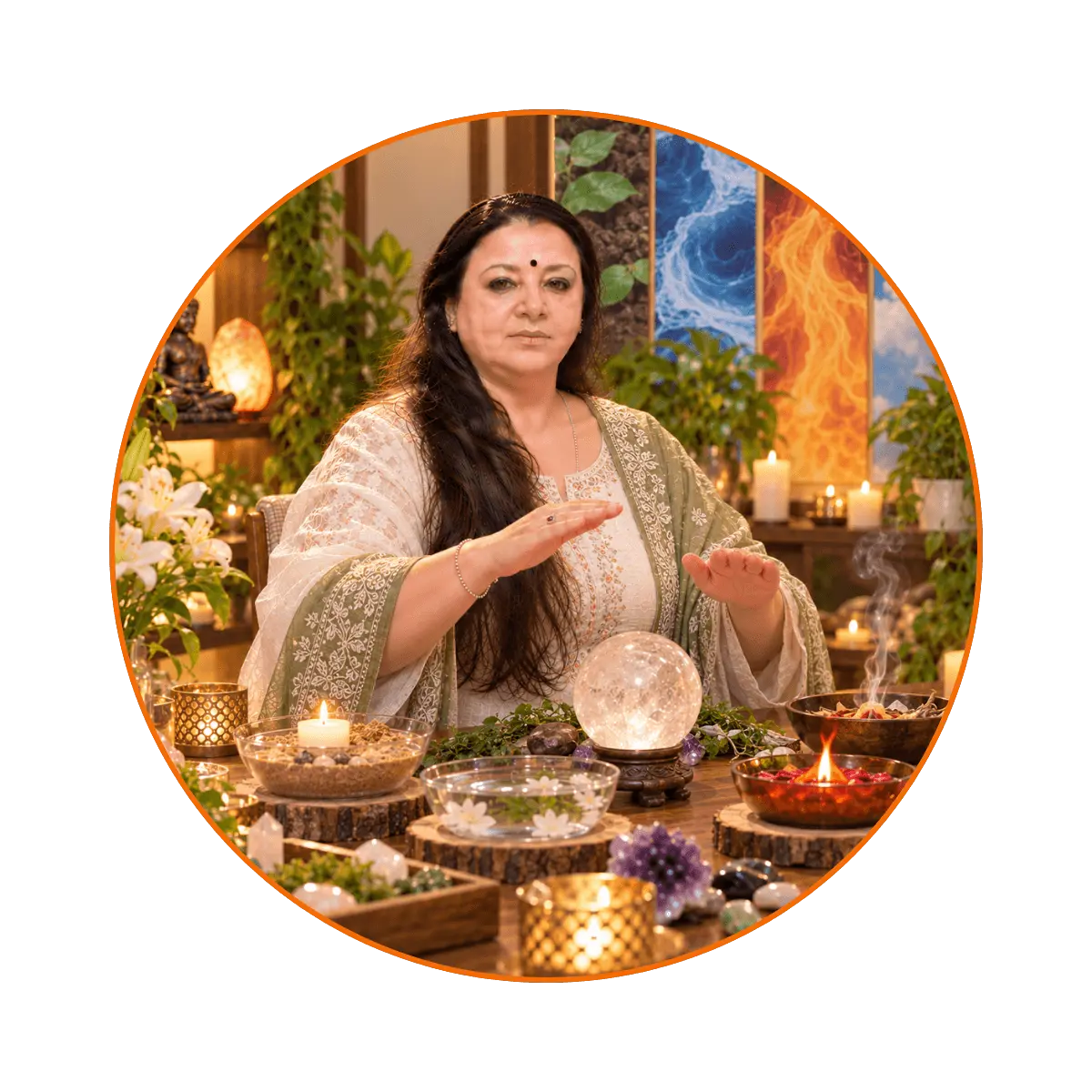
The Elemental Reiki Course is designed for people who are interested in Reiki, meditation, energy practices and the traditional symbolism of the natural elements. Earth, water, fire and air have been used as symbols in many spiritual and cultural traditions, with each element carrying different meanings and qualities.
An Elemental Reiki Course brings these ideas together with Reiki-style meditation, visualization, intention setting and personal energy practices. Students can explore the symbolic relationship between the elements and their own spiritual practice in a simple and practical way.
The four elements are often used to represent different aspects of life. Earth may represent stability and grounding, water may represent flow and emotion, fire may represent activity and courage, and air may represent thought and communication. These meanings can vary depending on the tradition.
The Elemental Reiki Course treats these associations as spiritual and symbolic concepts rather than scientific facts. The practice can be used for meditation, personal reflection and spiritual study.
Understanding Elemental Reiki
Elemental Reiki combines Reiki-style practices with elemental symbolism. Reiki itself comes from a Japanese spiritual tradition and is commonly practised through meditation, focused attention and hands-on or hands-near techniques.
In an Elemental Reiki Course, the natural elements can be used as themes for meditation and visualization. Students may focus on one element at a time and consider the qualities traditionally connected with it.
Earth, water, fire and air can provide simple images for meditation. A student may imagine sitting beside a mountain for earth, watching flowing water for water, observing a gentle flame for fire or feeling a cool breeze for air.
These images can help provide a focus during quiet practice.
Earth Element
Earth is commonly associated with grounding, stability, patience, structure and connection with nature. An Elemental Reiki Course may use earth symbolism during meditation and energy practices.
Students can imagine roots extending from their feet into the ground or visualise sitting in a peaceful natural environment. The exercise can be combined with slow breathing and Reiki-style hand positions.
Earth meditation may be useful as a simple way to focus attention on the present moment. It can also provide a symbolic reminder of stability and steadiness.
The experience is personal, and students may interpret earth symbolism differently according to their own beliefs.
Water Element
Water is often associated with movement, adaptability, emotion and flow. In an Elemental Reiki Course, water symbolism can be used during visualization and meditation.
Students may imagine a calm lake, flowing river, rainfall or waves while practising slow breathing. The movement of water can serve as a visual focus during meditation.
Some traditions use water symbolism when reflecting on emotional experiences. Students can use journaling after meditation to record thoughts or feelings that arise.
These practices are intended for personal reflection and are not a method for diagnosing or treating emotional or psychological conditions.
Fire Element
Fire is traditionally connected with activity, warmth, courage, motivation and change. A Elemental Reiki Course can introduce fire as another meditation theme.
Students may visualise a small, steady flame while focusing on their breathing. The flame can represent attention, determination or personal intention.
Fire meditation should always be practised safely. If an actual candle is used, it should be placed on a stable surface and never left unattended.
Students can also use imagined fire instead of a physical flame. Visualization provides a simple option without the safety concerns of an open flame.
Air Element
Air is commonly linked with movement, breathing, thought and communication. An Elemental Reiki Course can use air symbolism through breathing and visualization exercises.
Students may focus on the natural movement of their breath or imagine a gentle breeze moving through trees. The exercise can help create a clear point of attention during meditation.
Breathing should remain comfortable and natural. Students should not force breath retention or other techniques that cause discomfort.
Air symbolism can also be used as a reminder to observe thoughts without immediately reacting to them.
Elemental Visualization
Visualization is an important part of an Elemental Reiki Course. Students may create mental images connected with each element and use them during Reiki-style meditation.
For earth, visualization might involve mountains, trees or soil. Water can be represented by rivers, oceans or rain. Fire may appear as a candle flame or warm light. Air can be imagined as wind, clouds or open space.
The purpose is not to create a specific visual experience. Some people visualise clearly, while others may experience only a feeling, idea or memory.
All of these responses can be part of personal meditation.
Elemental Reiki and Energy Awareness
People who practise Reiki often pay attention to sensations, breathing, body awareness and changes in their state of attention.
An Elemental Reiki Course can use the four elements as themes for this type of awareness. Students may notice how their attention changes when working with different images or meditation methods.
For example, earth meditation may encourage attention toward stability, while water imagery may bring focus toward movement. Fire can represent activity, while air can be connected with breath and mental movement.
These interpretations are symbolic and may differ from one practitioner to another.
Working With Reiki Hand Positions
Reiki practices often include placing the hands on or near different areas of the body. In an Elemental Reiki Course, these practices may be combined with elemental visualization.
Students can sit or lie comfortably and use gentle hand positions while focusing on a chosen element. The practice can be adapted according to personal comfort.
When practising with another person, permission should always be obtained before physical contact. Hands-near practice can also be used when someone does not want physical touch.
Elemental Reiki should not be presented as a replacement for medical treatment.
Elemental Meditation and Chakras
Some modern energy practices connect the elements with chakras. Earth may be associated with the root chakra, water with the sacral chakra, fire with the solar plexus, air with the heart and other systems may make additional connections.
An Elemental Reiki Course may explore these relationships as part of spiritual study.
Chakras and elemental energy systems are traditional spiritual concepts and are not scientifically established medical systems. Students should treat these associations as symbolic tools for meditation rather than methods of health diagnosis.
Using Nature in Elemental Reiki
Nature can provide simple inspiration for an Elemental Reiki Course practice. Students may spend quiet time outdoors observing trees, water, sunlight, wind or the ground.
The purpose is not to claim that nature objects have a guaranteed energetic effect. Instead, natural surroundings can provide useful points of attention during meditation.
A short walk, quiet sitting or simple observation can become part of a personal practice.
Students can also keep a journal describing which element they focused on and what they noticed during the session.
Elemental Reiki and Intention
Intention setting can help give a meditation session a clear purpose. Before beginning an Elemental Reiki Course practice, a student may choose one quality to reflect on.
For example, earth may be used as a reminder of steadiness, water as a reminder of flexibility, fire as a reminder of motivation and air as a reminder of clear communication.
The intention belongs to the individual. It should not be presented as something that guarantees a change in another person or an external situation.
Personal Practice With the Four Elements
A simple four-element practice can involve spending time with each element separately. Students may begin with earth, move to water, continue with fire and finish with air.
An Elemental Reiki Course can encourage students to keep sessions simple and comfortable.
There is no need to spend a long time with each element. A few minutes of quiet meditation followed by journaling can be enough for personal study.
Over time, students may notice which elemental themes they enjoy most and which meditation methods suit their routine.
Working With Others
Students who practise an Elemental Reiki Course may eventually wish to share meditation or Reiki-style sessions with other people.
Consent and clear communication should always be part of this work. Practitioners should explain that Elemental Reiki is a spiritual or complementary practice and should not make medical claims.
Personal information shared during a session should remain private. Physical touch should never be assumed or required.
A responsible practitioner should also encourage appropriate professional care when someone has a medical or psychological concern.
Who Can Study an Elemental Reiki Course?
The Elemental Reiki Course can be suitable for beginners, Reiki practitioners, meditation students and people interested in nature symbolism and spiritual practices.
Previous Reiki experience may or may not be required depending on the specific course provider. Students should check the provider’s requirements before joining.
People who already practise chakra meditation, crystal work, energy practices or other spiritual methods may also include elemental meditation in their existing routine.
Developing a Regular Practice
A regular Elemental Reiki Course practice can be simple and flexible. Students may choose one element for a particular session or work with all four elements during a longer meditation.
Keeping notes can help students remember their experiences. A journal may include the chosen element, visualization used, meditation time and personal observations.
There is no need to force a particular result. Some sessions may feel focused, while others may simply provide a quiet period for breathing and reflection.
Important Note
Elemental Reiki is a spiritual and complementary practice based on Reiki-style methods, meditation and traditional elemental symbolism. Claims about energetic or healing effects are not scientifically established.
The Elemental Reiki Course is intended for spiritual education, meditation and personal reflection. It should not replace medical treatment, psychological care, counselling or other professional services.
Individual experiences may differ, and no specific health, emotional, financial or personal result should be promised.
Why Choose an Elemental Reiki Course?
The Elemental Reiki Course provides a simple way to explore Reiki-style meditation through the symbolism of earth, water, fire and air. It can be useful for people who enjoy natural imagery, visualization and quiet personal practice.
The four elements provide familiar themes that can make meditation easier to structure. Students can work with one element at a time or combine several elements in a single session.
For Reiki practitioners, the Elemental Reiki Course can offer another theme for meditation and personal reflection. For beginners, it provides an accessible introduction to elemental symbolism alongside Reiki-style practices.
The practice can be adapted to individual beliefs and preferences. Students can use visualization, breathing, journaling and meditation without needing complicated equipment.
Reviews
There are no reviews yet.